
1:11 AM Spring thaw tips to prevent basement flooding | |
|
Spring thaw can be a turning point for basements: snowmelt increases runoff and groundwater pressure, while freeze-thaw cycles can loosen soil and clog gutters, downspouts, and drains. Even a brief warm spell may be enough to overwhelm weak drainage systems, especially in homes with older plumbing or sump pumps.
Start with the highest-risk signs. Before heavy meltwater arrives, look for warning cues such as recurring moisture along foundation walls, musty odors, damp carpet near corners, or water staining on floors and cinder blocks. Also check whether outdoor grading slopes toward the house and whether downspouts discharge close to foundation walls. Inspect and clear drainage paths
Water often finds its way indoors through the easiest routes—surface runoff, overflow from gutters, and blocked footing drains. Clear debris from gutters and ensure downspouts extend several feet away from the foundation. If you have surface drains, window well covers, or exterior weep holes, confirm they are unobstructed and draining freely. Prepare the sump pump and check backups
If your home has a sump pit, test the system and confirm the discharge line runs away from the foundation. Make sure the float switch moves freely and that the pump is not blocked by silt or debris. If you rely on a battery backup, verify it is charged; if you have a secondary system (or consider one), ensure it can handle extended storms and higher water levels.
Reduce water entering through small openings. During thaw, cracks and gaps around pipes and utility penetrations can leak. Seal minor gaps with appropriate waterproofing materials and consider using water-resistant sealants designed for below-grade use. Avoid temporary fixes that trap moisture; the goal is to stop active water flow while allowing the foundation to perform as intended.
Exterior grading matters more than many homeowners realize. If soil around the foundation slopes toward the house, regrade so the ground falls away from the structure. Where possible, maintain a clear perimeter so meltwater can disperse rather than pool. Mulch and landscaping can help, but only if water is directed away from basement walls and not held against them. Manage indoor humidity and protect belongings
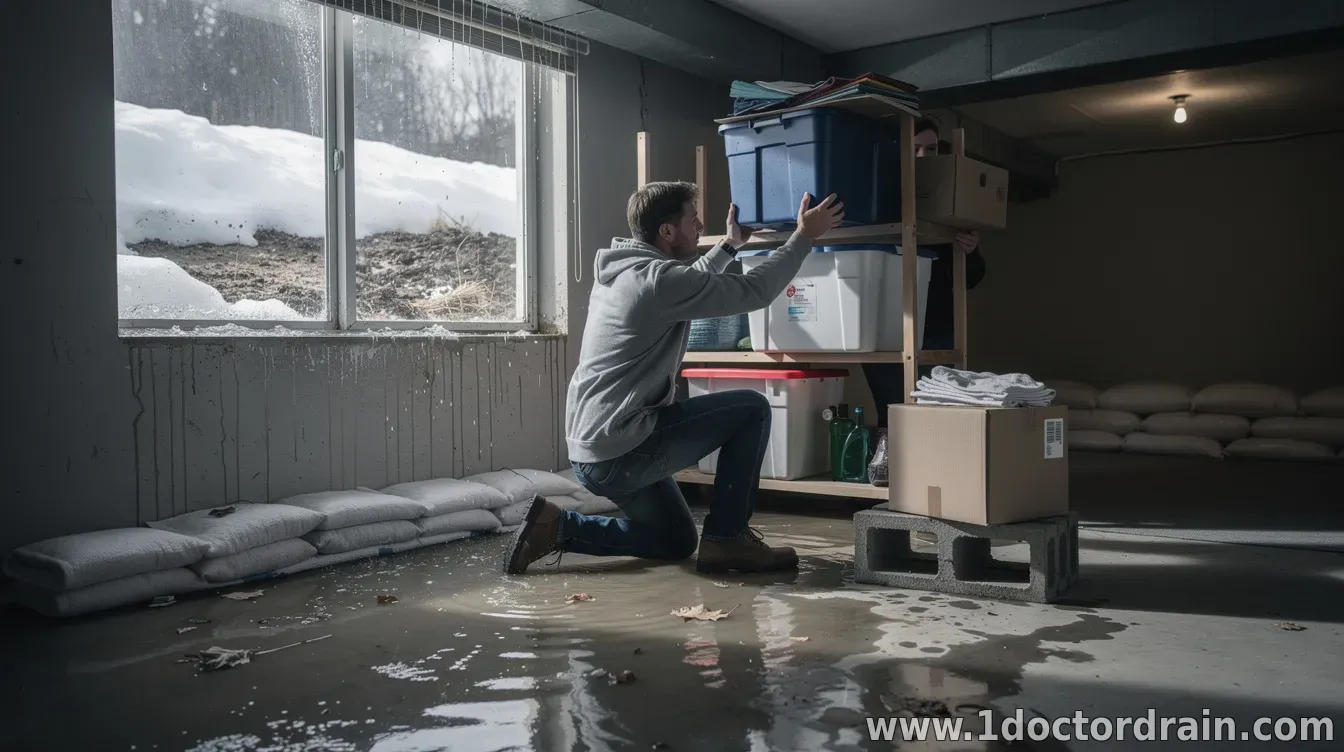
Even before water appears, humidity levels often rise during thaw. Run dehumidifiers if needed and keep basement vents clear. If you expect higher-risk conditions, move valuables and items stored on lower shelves off the floor and away from corners where water tends to collect.
Know when to call professionals. If you’ve experienced repeat flooding, frequent seepage, or rising water that comes from outside during storms, a foundation drainage specialist can evaluate footing drains, exterior waterproofing, and sump performance. For homes with persistent issues, structural or drainage upgrades may be more reliable than short-term patching.
Spring thaw isn’t just about comfort—it’s also a seasonal test of your home’s drainage system. By clearing water paths, verifying pumps and backups, improving grading, and preparing to protect the basement interior, homeowners can reduce the chances that a warm stretch turns into a costly flood.
| |
|
| |
CALL ☎ Subscribe 👆
Next & Previous posts
Related materials:
CONTACT US 📩
Submit the form, we'll contact you as soon as possible!