5:31 AM Common Causes of Recurring Clogs in the Same Drain | |
|
When a drain clogs once and then clogs again in the same spot, it’s rarely a random coincidence. Most repeat issues come from something continually feeding the drain—buildup, a design that traps debris, or a plumbing problem that makes clogs form faster than they clear. 1) Material buildup that keeps re-forming
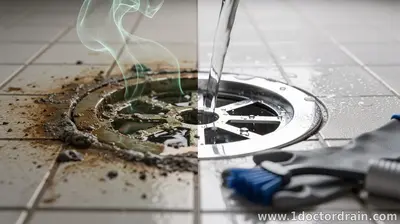
Many recurring clogs are caused by deposits that accumulate over time. In bathroom drains, hair and soap scum often combine into a sticky mass that gradually narrows the pipe. In kitchen sinks, cooking grease and food particles can adhere to pipe walls, then harden—especially if hot water alone isn’t enough to dissolve the residue. 2) Partial blockages that never fully clear
After a clog is “mostly” cleared—like when water drains slowly but not normally—residual debris can remain lodged along the pipe’s inner curve or at a connection. That leftover plug can shrink the passage and make the next clog happen with less debris than before. 3) Blocked venting or drain design issues
Your plumbing system relies on venting to keep air moving and allow wastewater to flow smoothly. If the vent is blocked (by debris, ice, or other obstructions) the drain may gurgle, drain slowly, or back up repeatedly. In some homes, drain layout (long runs, frequent bends, or the wrong slope) can also encourage debris to settle and build up in the same area. 4) Pipe damage, corrosion, or tree-root intrusion
Cracks, corrosion, and joint misalignment can create “catch points” where material gathers. Outside sewer lines are also vulnerable to root intrusion; roots can infiltrate small openings and gradually disrupt flow, leading to repeated clogs near the same section. Over time, the problem can worsen even if the inside drain appears clean.
Other clues can help narrow the cause. Slow drainage confined to a single fixture often points to that drain line or its trap. Backups affecting multiple fixtures can indicate a shared line issue. Gurgling sounds, toilet bubbling, or repeated sink and tub problems can suggest venting or a deeper blockage.
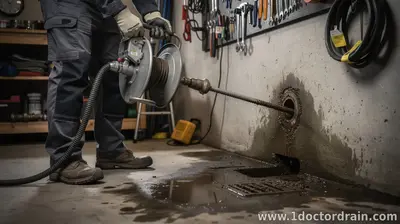
Homeowners can reduce repeat clogs by preventing the common sources of buildup: use drain strainers to catch hair and food, avoid pouring grease down the sink, and periodically flush with appropriate cleaning methods that match the drain type. If the clog recurs frequently, a professional inspection—often using specialized tools like drain cameras—can confirm whether the issue is buildup, a partial obstruction, venting, or pipe damage.
If you’re dealing with repeat clogs in the same drain, the best next step is to treat it as a pattern rather than a one-off event. Pinpointing what consistently enters (or forms inside) the pipe is the fastest path to a durable fix—and to preventing escalation into backups or more expensive repairs.
| |
|
| |

CALL ☎ Subscribe 👆
Next & Previous posts
Related materials:

CONTACT US 📩
Submit the form, we'll contact you as soon as possible!