2:56 AM Storm Drain Maintenance Before Heavy Spring Rains | |
|
With spring storms approaching, cities across many regions are ramping up storm drain maintenance to reduce the risk of street flooding. Heavy rainfall can quickly overwhelm clogged inlets, backing water onto roads and sidewalks and increasing the chance of damage to nearby property. Why storm drain cleaning matters
Storm drains are designed to move rainwater away from neighborhoods and critical infrastructure. When leaves, sediment, litter, and yard waste collect at curb inlets or along drainage channels, water can’t flow as intended. The result is slower runoff, higher water levels in low areas, and sometimes localized flooding during even moderate storms.
Maintenance also supports drainage system health by limiting corrosion, reducing blockages that can force crews to respond during emergencies, and improving overall efficiency—especially when rain events arrive back-to-back. What crews and residents should do now
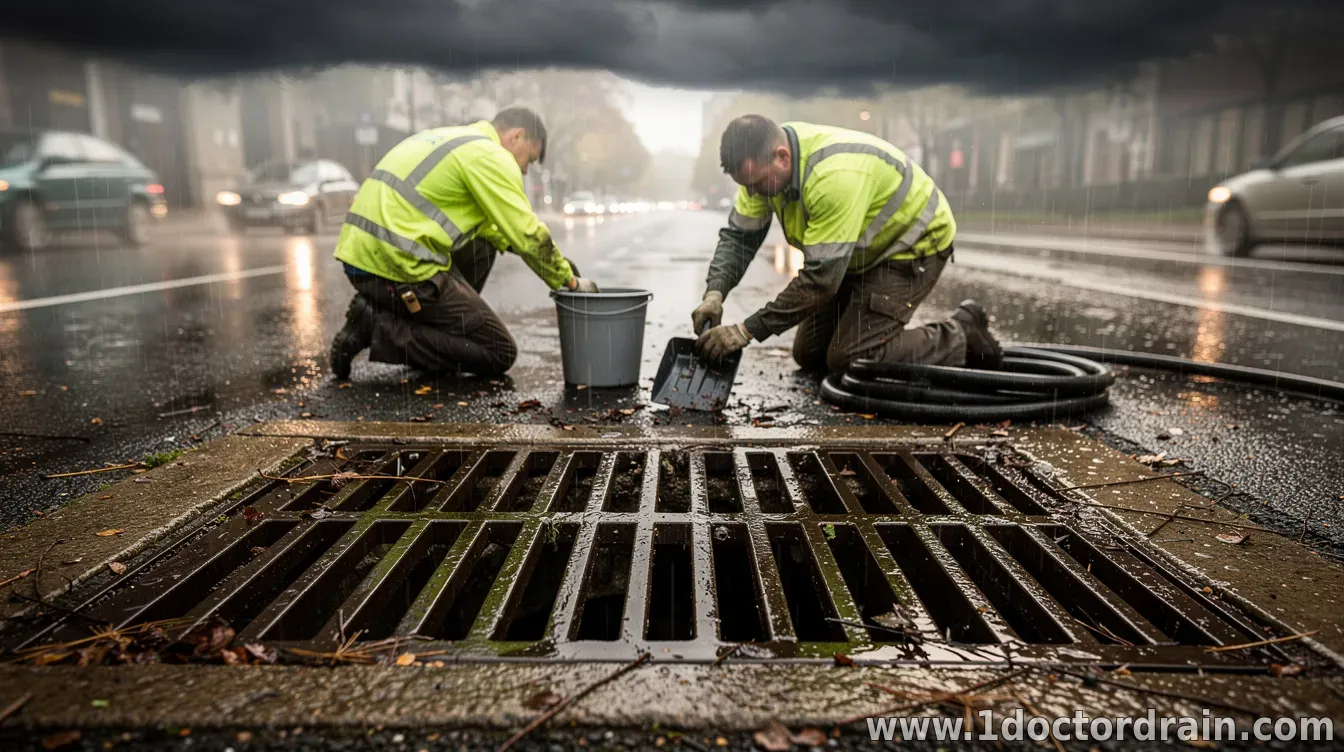
Municipal teams typically inspect drains, remove accumulated debris, and clear accessible sections of piping and catch basins. Many agencies also coordinate with contractors to use vacuum trucks, jetting equipment, and catch basin cleaning methods where permitted.
Residents can complement those efforts by keeping drainage areas clear. Common do’s include:
Some neighborhoods also encourage residents to report blocked drains and standing water. Timely reporting helps prioritize maintenance before storm intensifies, particularly in areas with a history of backups.
Agencies may additionally promote “storm drain stenciling” or public education campaigns, reminding residents that stormwater flows directly to waterways without treatment. That guidance reinforces the need to keep pollutants—like oil, pet waste, and chemicals—out of the drainage system. Signs you may need maintenance or a report
While not every issue is visible, certain patterns can indicate a drainage problem: recurring puddles after rain, slow draining gutters, debris buildup around grates, unusual odors from standing water, or water flowing across the street instead of into the inlet. If multiple signs appear in the same location, contacting the city’s stormwater or public works department can speed up inspection.
During heavy storms, residents should avoid walking through fast-moving water and never attempt to clear drains in hazardous conditions. If there is flooding near utility lines, roads, or building entrances, prioritize safety and call local services.
As spring rainfall ramps up, proactive drain maintenance—paired with neighborhood-level care—can significantly reduce flooding risk. Checking inlets, removing debris, and promptly reporting issues help ensure stormwater moves as designed, protecting both communities and the waterways downstream.
| |
|
| |
CALL ☎ Subscribe 👆
Next & Previous posts
Related materials:

CONTACT US 📩
Submit the form, we'll contact you as soon as possible!