
1:02 AM Reading Your Water Bill: Signs of a Hidden Leak | |
|
A sudden jump—or steady rise—in your water bill often points to something more than seasonal usage. One common culprit is a hidden leak in plumbing or drainage lines, which can waste water quietly before it becomes obvious.
Hidden leaks don’t always look dramatic. Instead of pooling water, they may seep behind walls, under floors, or through connections that are hard to see. The good news: you can often narrow down the problem with a few practical checks. 1) Watch for unusual patterns on your bill
Start with the numbers. Compare your current bill to similar billing periods over the last year if you have them. Red flags include a consistent increase in usage week to week, unusually high charges in the same billing cycle each month, or a spike after you haven’t made changes like adding landscaping or appliances.
If your bill includes metered daily or monthly usage, look for continuous use rather than short bursts. A leak may show up as steady consumption that doesn’t match typical household routines. 2) Do a “meter test” to confirm water is running
A simple, reliable method is checking your water meter. First, make sure no water is being used inside or outside—no showers, dishwashing, toilets, or outdoor sprinklers. Then watch the meter for movement over a set period (commonly 10–30 minutes).
If the meter changes while everything is off, that indicates water is moving somewhere—often the result of a leak. For many homes, this test helps you confirm whether the issue is real before spending time troubleshooting fixtures. 3) Look for signs inside the home and around drains
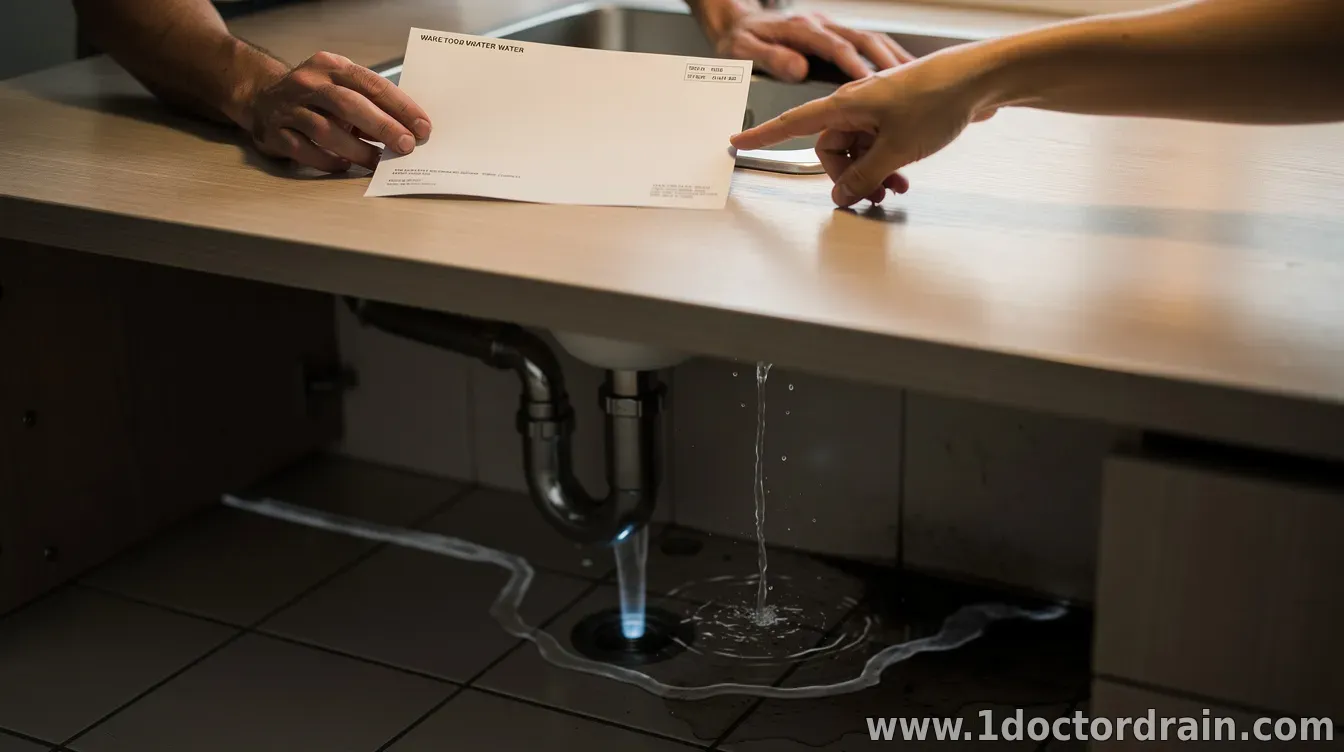
Some leaks create subtle clues. Check for damp drywall, musty odors, discolored patches on ceilings, or bubbling paint—especially near bathrooms, kitchens, water heaters, or laundry areas. Under sinks, look for persistent moisture around supply lines, trap fittings, and drain connections.
Also pay attention to toilets. A running toilet or one that refills frequently can waste significant water. If you suspect it, consider a dye test in the tank to see whether water is silently leaking into the bowl. 4) Distinguish leaks from normal usage and “invisible” causes
Not every increase is a leak. Seasonal irrigation, changes in household occupancy, new appliances, and even changes in billing practices can affect usage. If you’ve eliminated these possibilities, then focus on indoor plumbing and drainage.
Some properties also experience leaks in external lines, meter connections, or buried pipes that may not show obvious signs until water has been running for days. When the meter indicates usage and visual checks come up empty, the problem may be in a less accessible location.
To avoid false alarms, combine your bill review with a meter check and targeted inspections. That way, you can provide more accurate information to a plumber if the issue isn’t quickly found. What to do next if you suspect a hidden drain leak
If your meter confirms water use when everything is off, prioritize safety and evidence. Reduce water use immediately and note when the changes started. If you can safely access plumbing, check common failure points first: toilet flappers and fill valves, sink drain connections, and visible supply lines.
When the leak seems hidden—behind walls, under floors, or in drainage runs—contact a licensed plumber or a leak-detection specialist. They can use specialized tools to locate leaks without unnecessary demolition, potentially saving time and repair costs.
By reading your water bill carefully and pairing it with simple verification steps, you can catch hidden drain leaks early—before they drive up costs, damage your property, or waste thousands of gallons.
| |
|
| |
CALL ☎ Subscribe 👆
Next & Previous posts
Related materials:

CONTACT US 📩
Submit the form, we'll contact you as soon as possible!