6:42 AM Midwest heavy rain and snowmelt: why drains back up | |
|
Across parts of the U.S. Midwest, periods of intense rainfall combined with melting snow can strain local storm-drain systems—sometimes leading to roadway flooding, slow drainage, and sewage backups. While storm drains are designed to carry stormwater away, the volume and timing of runoff can exceed what pipes, inlets, and pump stations can manage.
Here’s how the mix of heavy rain and snowmelt affects storm drains and why backups happen. Runoff surges faster than drains can move water
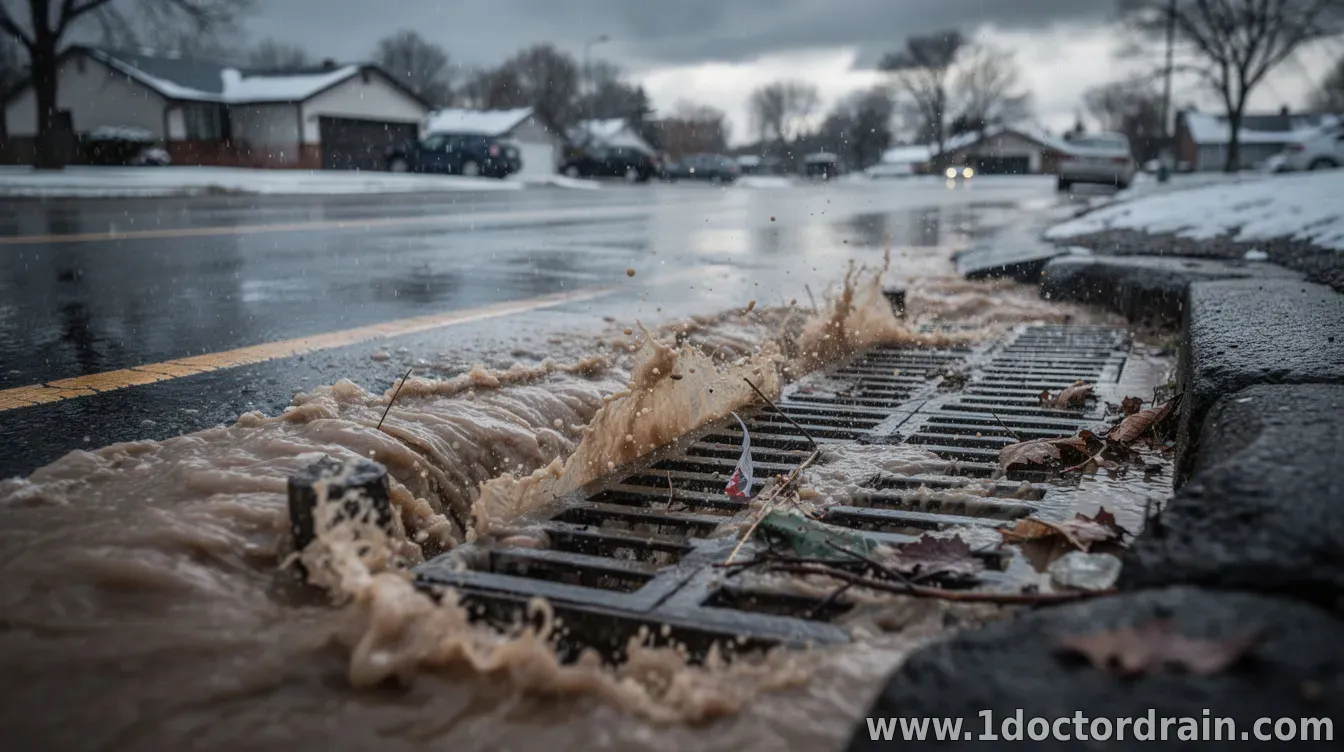
During heavy rain, large amounts of water enter storm drains from streets, rooftops, and compacted ground. When snowmelt is occurring at the same time, meltwater adds another surge. The problem is not only total rainfall or total melt, but also how quickly water reaches the drainage system—often within hours, not days. Frozen ground and ice can delay absorption
In early-season events, some areas still have frozen or partially frozen soil. Frozen ground reduces infiltration, forcing more water to run off at the surface. Even after temperatures rise, thawing and refreezing cycles can leave ice in gutters, inlets, and low spots, further limiting how much stormwater can enter drains. Snowmelt “front-loads” the system during warming
Snowmelt typically accelerates during warmer stretches, which can coincide with incoming weather systems. If melt accelerates while rain falls, the drainage network may experience a combined peak. Storm drains may be able to handle rain alone or melt alone, but the overlapping peak can push flows beyond capacity—especially in neighborhoods with older infrastructure. Capacity limits, blockages, and low-lying areas raise backup risk
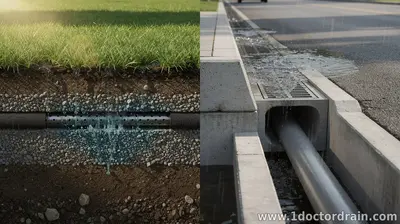
Storm drains have practical limits based on pipe diameter, inlet spacing, and pump capability. Capacity is also reduced by common real-world factors: debris in inlets, sediment buildup from previous storms, vegetation and trash, and blockages from ice or partially frozen material. Low-lying streets can then become unintended channels, sending water toward the same constrained drainage points and increasing the likelihood of localized backups. “Backup” depends on whether the system is storm-only or combined
Many older areas use combined sewer systems, where stormwater and wastewater share parts of the network. In those settings, intense runoff can contribute to wastewater backing up when combined flows exceed what treatment systems can handle. Even where storm drains are storm-only, manholes, culverts, and outlet constraints can still cause surface flooding that residents may interpret as “drain backup,” particularly when water cannot move downstream. What residents and officials can watch for
During Midwest rain-on-snow events, storm-drain stress can show up as water pooling around curb inlets, gurgling sounds from drains, slow runoff from streets and yards, and rising water near outfalls. Officials often monitor stream gauges, pump station status, and inlet performance, especially when forecasts indicate overlapping melt and rainfall. Afterward, crews may clear debris, inspect inlet clogging, and evaluate whether maintenance or upgrades are needed.
Overall, heavy rain plus snowmelt increases storm-drain backup risk by compressing runoff into a shorter window, reducing ground absorption, and testing infrastructure capacity—sometimes in multiple ways at once. Understanding that timing and peak flow matter as much as total water can help communities better plan responses and long-term drainage improvements.
| |
|
| |
CALL ☎ Subscribe 👆
Next & Previous posts
Related materials:
CONTACT US 📩
Submit the form, we'll contact you as soon as possible!