8:54 AM Trenchless Sewer Repair: When It’s the Right Choice | |
|
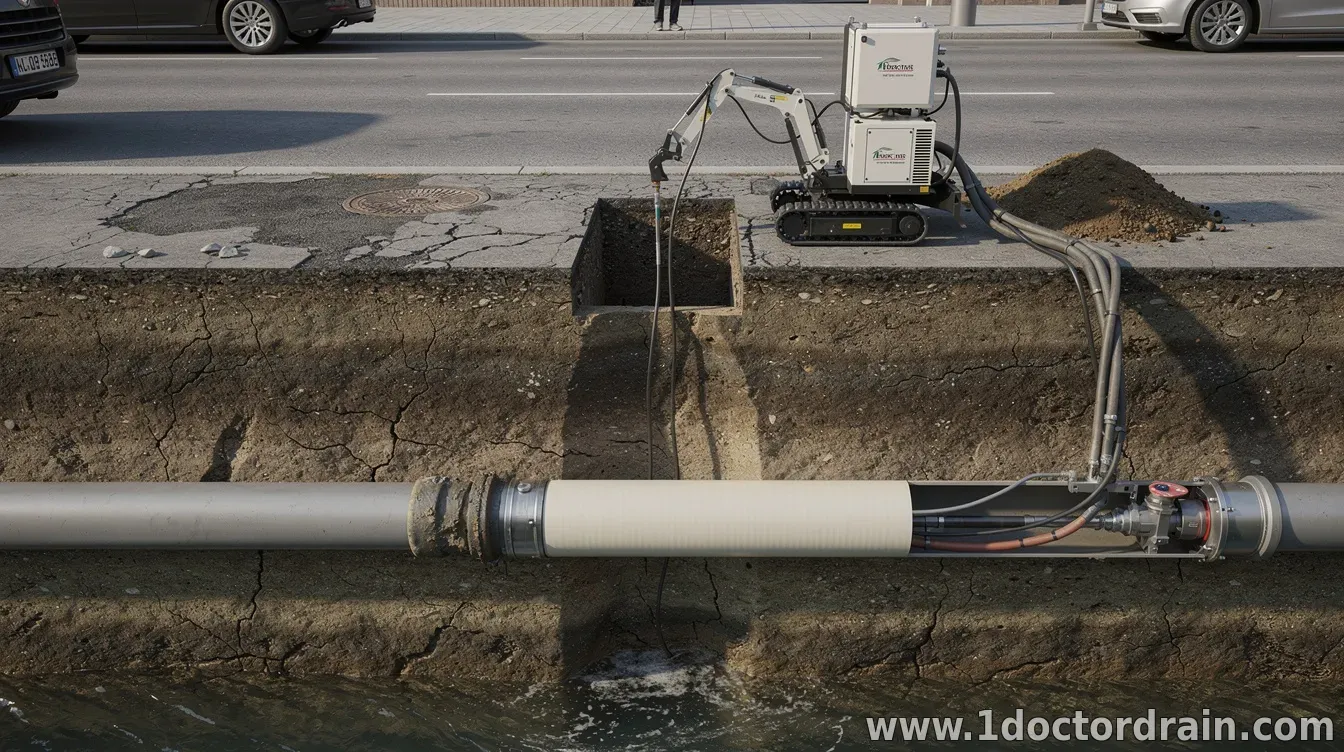
Trenchless sewer repair is a set of techniques used to replace or rehabilitate underground sewer lines with little to no open excavation. Instead of digging long trenches across a yard or driveway, contractors access the pipe through small entry points—often manholes or narrow pits—then repair the line using specialized equipment.
For property owners, the appeal is straightforward: less disruption, faster timelines in many cases, and fewer restoration costs. For sewer systems, the goal is to address leaks, cracks, root intrusion, or corrosion while limiting further damage to surrounding structures and landscaping. What trenchless sewer repair is used for
Most trenchless projects begin after a sewer camera inspection identifies the problem and its approximate location. Technicians typically look for issues such as cracked or collapsed pipe sections, joint failures, recurring clogs caused by buildup, and infiltration or exfiltration indicated by odor, soggy ground, or unexpected water use patterns.
Common triggers for choosing trenchless methods include sewer lines that run under driveways, sidewalks, patios, or established landscaping—areas where traditional dig-and-replace would be expensive and disruptive. Main trenchless methods and how they differ
While “trenchless” is an umbrella term, several distinct approaches are used depending on pipe condition, diameter, and the extent of damage.
Your contractor’s recommendations generally depend on whether the existing pipe is structurally sound enough to support a liner, or if a full replacement is required. When you need trenchless sewer repair
Trenchless repair is often considered when inspection findings show damage that affects flow but doesn’t require extensive open excavation. It can be particularly valuable in these situations:
Even when trenchless is feasible, timing matters. Addressing sewer problems sooner can help prevent the failure from spreading and reduce the chance of more severe structural collapse. When trenchless may not be the best fit
Trenchless solutions aren’t one-size-fits-all. Certain conditions—such as severe collapse, severe misalignment, inaccessible segments, or obstacles that prevent equipment from entering the line—may require conventional excavation or a hybrid approach.
That’s why a thorough camera inspection and clear reporting are essential. A reputable contractor can explain which method matches your pipe’s condition and why. What to expect during a trenchless project
Most trenchless repairs follow a predictable flow: an initial inspection and mapping of the affected section, confirmation of pipe size and material, preparation for access points, installation of the selected repair method, and final testing or verification.
Homeowners can often expect less yard disruption than traditional repairs, but there may still be temporary impacts at access locations. Getting details—like scheduling, access point placement, and restoration plans—helps ensure the project stays on track.
When considering any sewer repair, prioritize transparency: ask about the method being used, the basis for the recommendation, how the company verifies success, and what warranties cover workmanship and materials.
Trenchless sewer repair can be a practical path to restoring sewer function while keeping excavation to a minimum—especially when inspection results show a repairable pipe and hardscapes limit dig-and-replace options.
| |
|
| |
CALL ☎ Subscribe 👆
Next & Previous posts
Related materials:

CONTACT US 📩
Submit the form, we'll contact you as soon as possible!