
0:13 AM Why Summer Is Peak Season for Root Intrusion in Sewers | |
|
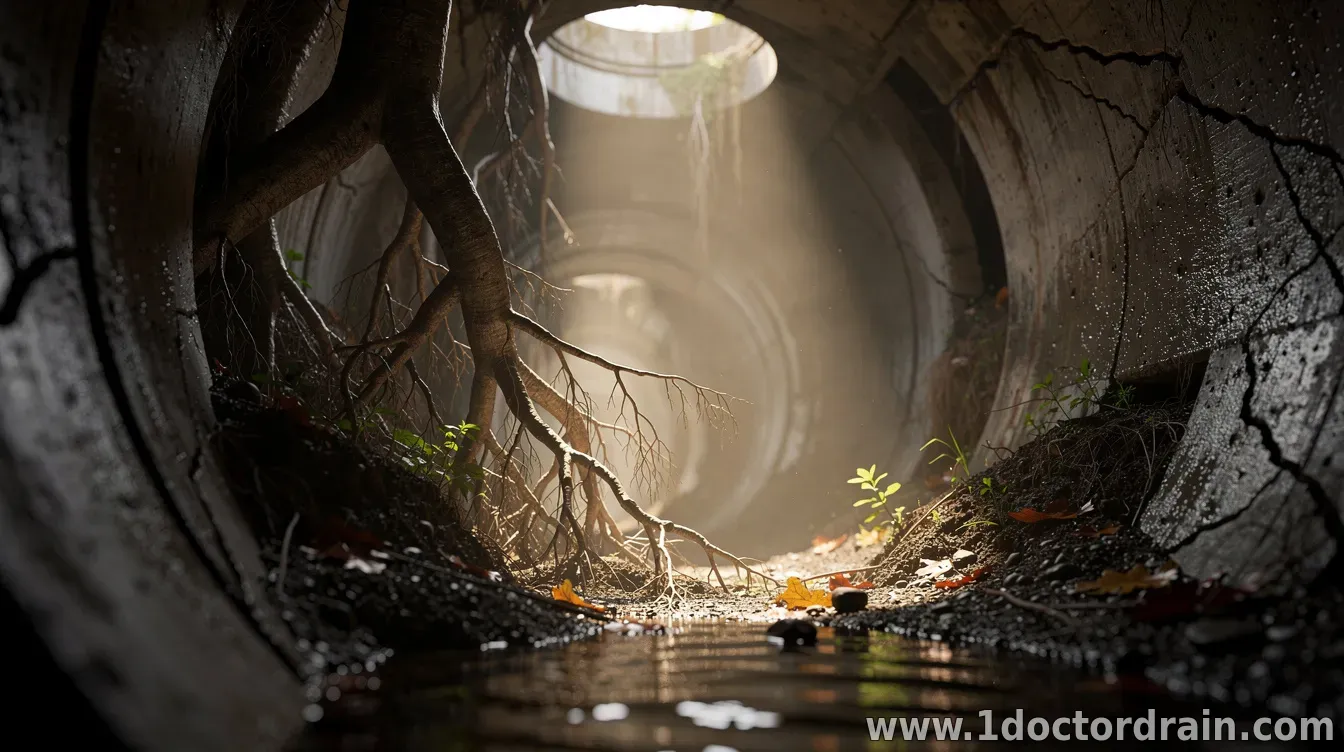
Summer is often the busiest season for sewer maintenance teams—not only because demand rises, but because root intrusion becomes more likely. Warmer soil, changing rainfall, and active plant growth combine to draw tree roots toward the water inside sewer pipes, where even minor defects can become entry points.
When temperatures climb, many trees and shrubs increase water uptake. If the surrounding soil dries or becomes uneven, roots will naturally follow moisture gradients. Sewer lines can inadvertently become a reliable moisture source when leaks exist or when joints allow infiltration, concentrating water in places roots can exploit. Dry spells, then heavy rain
In many regions, summer brings cycles of drought-like conditions followed by storms. During dry periods, roots intensify their search for water. After heavy rain, additional moisture migrates through the ground, increasing soil moisture around sewer corridors. This “pull and follow” pattern can drive roots deeper into the pipe network, especially near older sections where pipe integrity varies. Growth spurts in vegetation
Summer also coincides with peak growing seasons for many trees. Root tips actively expand to gather nutrients and water, which raises the probability of encountering and penetrating small openings. Even if a sewer line is largely intact, root intrusion can begin at weak points such as cracked sections, offset joints, corroded pipe interiors, or poorly sealed service connections.
Once roots get inside, they don’t usually stop. Over time, they can form dense masses that snag debris and reduce flow capacity. That restriction can contribute to backups, overflows, and increased pressure within the system—problems that become more visible during periods of higher usage.
Residents may notice symptoms such as slow drains, gurgling sounds, or recurring clogs near specific fixtures or street segments. Municipal crews often see the same pattern in their inspection data: blockages tied to root-related buildup tend to rise during warmer months, when sewer conditions and vegetation activity align. Why older pipes are most vulnerable
Not all sewer lines are equally susceptible. Sections installed decades ago or laid under unstable soil may experience more joint displacement, cracking, and infiltration. Infiltration can create the moisture “trail” roots prefer, turning minor defects into active root entry sites during summer months.
Preventive efforts can reduce risk before intrusion becomes a major problem. Many utilities prioritize targeted inspections, such as CCTV assessments, during or ahead of peak seasons, focusing on known trouble spots. Cleaning schedules timed before high-risk months can also help remove early buildup and keep flow consistent.
For homeowners, maintaining landscaping boundaries and avoiding planting large trees near sewer easements can lower long-term pressure on the system. Where access allows, prompt attention to repeated drainage issues—rather than repeated plunging or temporary fixes—helps identify whether roots or pipe defects are contributing to the problem.
In short, summer concentrates the factors that drive root intrusion: active plant growth, moisture-seeking behavior, and fluctuating soil water conditions. Understanding why the risk rises can help communities plan maintenance earlier, reduce service disruptions, and extend the lifespan of sewer infrastructure.
| |
|
| |
CALL ☎ Subscribe 👆
Next & Previous posts
Related materials:
CONTACT US 📩
Submit the form, we'll contact you as soon as possible!