7:08 AM Are Chemical Drain Cleaners Safe for Pipes and Health? | |
|
Chemical drain cleaners are common tools for tackling clogs, but their safety for both plumbing and health isn’t always clear. Here’s what you should know before reaching for a bottle.
What’s in these products
Most liquid or gel drain cleaners rely on strong chemicals such as sodium hydroxide (lye) or chlorine-based agents to break down hair, soap scum, and grease. Some formulations also include surfactants or rust inhibitors. The exact mix varies by brand, but the purpose is to chemically dissolve organic material that’s causing the blockage.
Impact on pipes
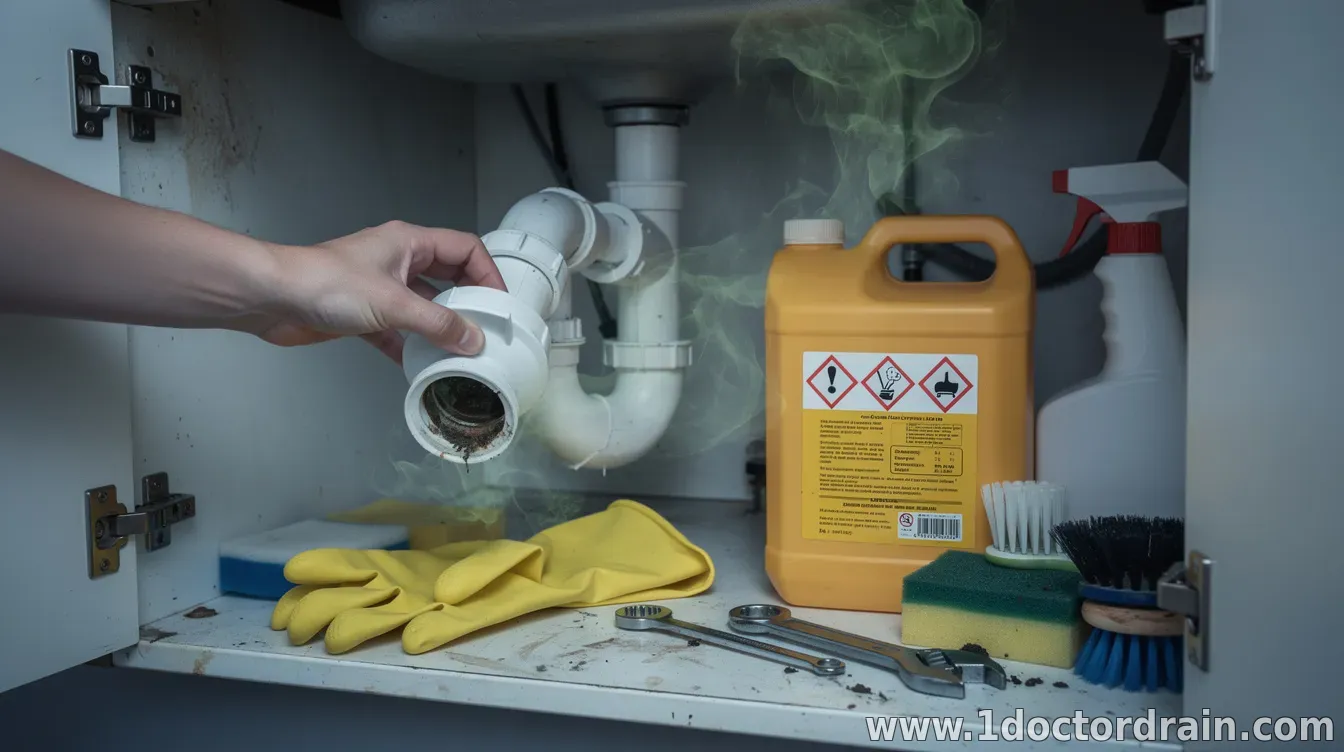
While these products can clear certain clogs, they can also damage pipes, especially older or damaged ones. Sodium hydroxide can corrode metal pipes and soften PVC joints if used repeatedly or in high concentrations. Foaming or rapid reactions can generate heat and pressure, potentially loosening seals or causing leaks. If you have fragile pipes, live with older plumbing, or a septic system, the risk increases and a professional should be consulted.
Health and safety concerns
Exposure to fumes or splashes can irritate the skin, eyes, and respiratory tract. Accidental ingestion is dangerous and can require medical attention. Mixing drain cleaners with other cleaners—particularly those containing bleach or ammonia—can release toxic gases. Store products safely out of reach of children and pets, and ventilate the area when using them.
When they are not the best option
Chemical cleaners may not be effective for all clogs, especially non-organic blockages or completely blocked lines. They can also create a temporary fix that hides the real problem, such as a venting issue, a pipe collapse, or a severely clogged trap. Repeated use can accumulate residue and reduce drainage over time.
Safer alternatives and best practices
Consider mechanical methods first: plunger, auger, or a plumber’s snake can clear many clogs without chemicals. Enzyme-based cleaners are gentler on pipes and the environment, though they work more slowly and may be less effective on stubborn blockages. For routine maintenance, routinely flushing with hot water (not boiling) and using a drain screen to catch hair can help prevent clogs. If you do choose a chemical cleaner, follow all label directions strictly, avoid mixing products, and never use them as a regular maintenance routine.
What to do if you’re unsure
If a clog recurs after using a chemical cleaner, or if you notice signs of damage to pipes or persistent backups, contact a licensed plumber. A professional can evaluate sewer lines, check for venting problems, and recommend safe, long-term solutions.
| |
|
| |
CALL ☎ Subscribe 👆
Next & Previous posts
Related materials:

CONTACT US 📩
Submit the form, we'll contact you as soon as possible!