1:01 AM How Often Should You Schedule Drain Maintenance? | |
|
Drain backups and slow-flow issues are often preventable—if maintenance is scheduled before clogs fully form. But “how often” depends less on a universal calendar and more on factors like usage, pipe material, tree root intrusion, and past buildup.
Below is a practical, risk-based guide to help homeowners and property managers set a realistic maintenance cadence. Start with the baseline: typical maintenance intervals
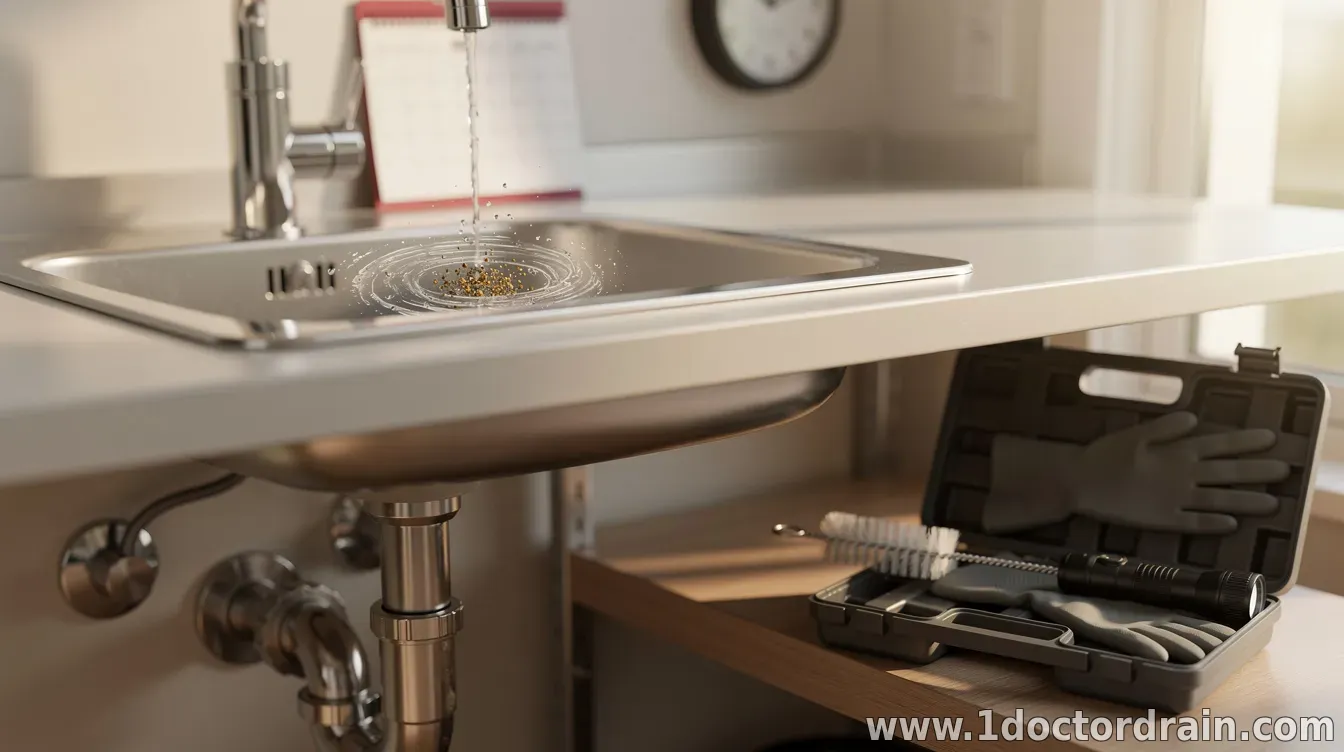
For many properties, a reasonable baseline is to plan preventive drain care every 12 to 24 months. Routine cleaning helps remove buildup that can narrow pipe walls over time, while periodic inspections can reveal early warning signs such as minor blockages, corrosion, or root-related pressure.
Homes with average water use often fall toward the 18–24 month range, while households with heavier daily usage or older plumbing may need service closer to every 12 months. Adjust frequency based on what’s actually stressing your drains
Some situations accelerate buildup, meaning maintenance should happen sooner than the baseline. Properties with frequent grease, hair, or soap buildup, as well as those connected to older sewer lines, tend to see problems earlier.
Consider shortening the interval if you have any of the following: repeated slow drains, frequent toilet “gurgling,” recurring odors, frequent clogs after rain (stormwater/sewer issues), visible signs of roots near exterior cleanouts, or plumbing that’s known to be aging.
When to schedule immediately (don’t wait for the next cycle)
Even if you’ve maintained your drains recently, certain symptoms mean you should book service right away. Waiting can turn a minor restriction into a full blockage that damages fixtures, wastes water, or—worst-case—causes sewage backup.
Call for maintenance sooner if you notice persistent slow drainage in one fixture, multiple drains acting up at once, water backing up during normal use, repeated clogs in the same line segment, or standing water after storms. Use inspections to reduce guesswork and avoid over-servicing
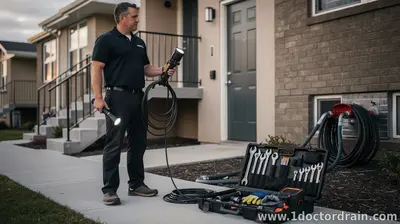
Camera inspections can clarify what’s happening inside the pipe—buildup, cracks, joint misalignment, corrosion, or root intrusion—so you’re not paying for unnecessary cleaning. In many programs, camera work is scheduled less often than mechanical cleaning: for example, cleaning at a regular interval, with an inspection at a longer rhythm or after recurring issues.
That approach helps balance cost control with risk reduction, especially for properties where pipe conditions may vary by section of the system.
Choosing the right schedule is ultimately about preventing avoidable emergencies. For most properties, preventive drain maintenance every 12–24 months is a solid starting point, with frequency increased when usage is higher or symptoms appear. If you’re unsure, an inspection can pinpoint the real timeline for your specific pipes.
Next step: Review your recent drain history (slowdowns, clogs, odors) and your plumbing age and usage pattern. Then set a maintenance cadence that matches your risk—not just the calendar.
| |
|
| |
CALL ☎ Subscribe 👆
Next & Previous posts
Related materials:
CONTACT US 📩
Submit the form, we'll contact you as soon as possible!