9:11 AM Grease Traps & Kitchen Drains: Fixes for Business Owners | |
|
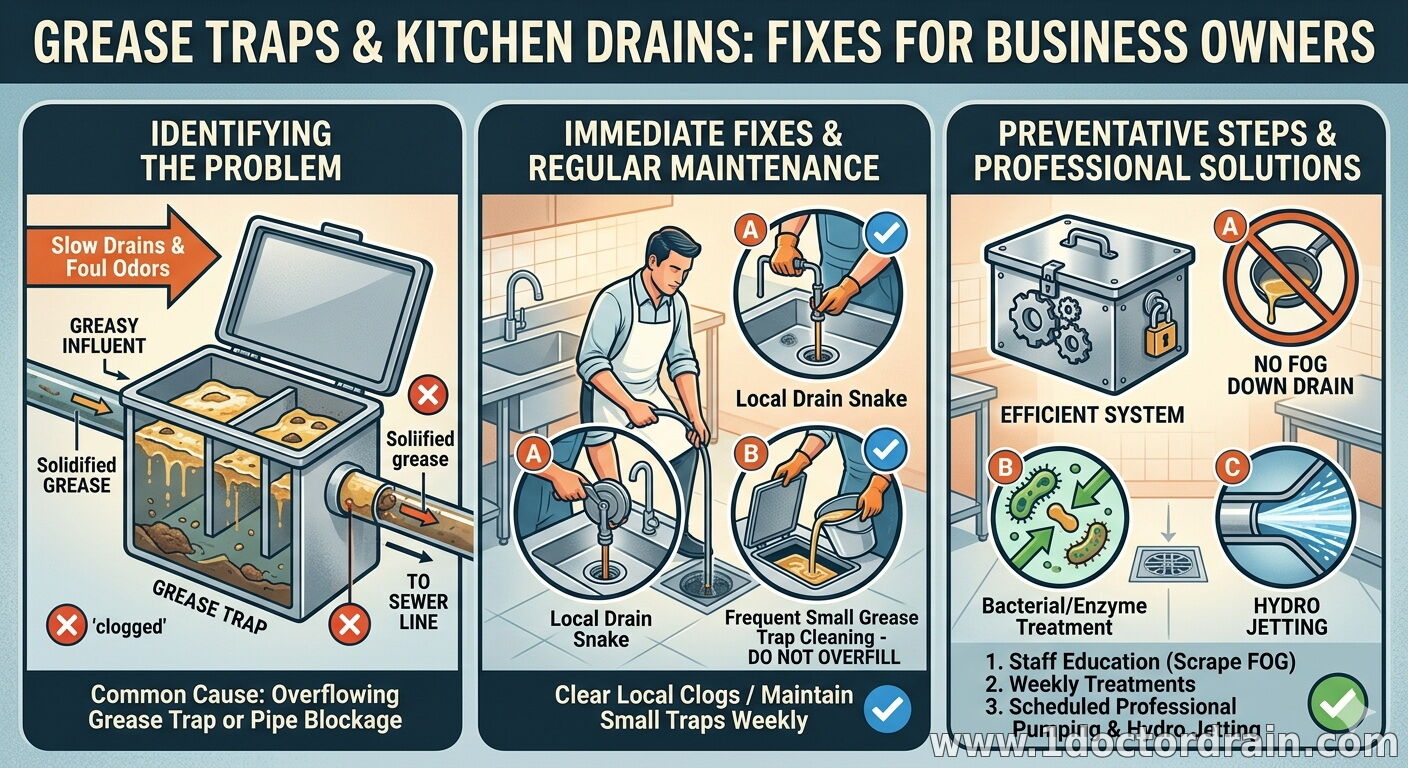
Kitchen grease, food particles, and cleaning products don’t disappear when they go down the drain. In most commercial kitchens, they accumulate in plumbing and in the grease interception system—leading to blockages, foul odors, and potential sanitation and compliance issues.
For business owners, the key is to prevent buildup through correct use, routine maintenance, and vendor coordination. When problems do occur, acting quickly can reduce downtime and expensive repairs. Why grease trap problems happen
Grease traps are designed to capture fats, oils, and grease before they enter downstream pipes. Problems typically start when the system is overloaded or used incorrectly—for example, when hot greasy discharge is dumped too fast, when scraping practices transfer too much solids, or when cleaning routines send heavy residue into the interceptor.
Broken baffles, missing covers, incorrect installation, or failing to pump the trap on schedule can also allow grease to escape and solidify in drain lines, creating hard-to-remove blockages. Early warning signs you should not ignore
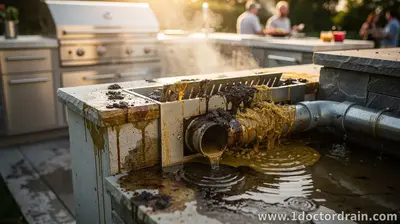
Small changes often precede major failures. Watch for slow drains in sinks, recurring backups after dishwashing, gurgling sounds, unpleasant odors near floor drains or the grease trap area, and visible grease buildup at accessible plumbing points. If grease is overflowing or you notice pooling wastewater around the kitchen perimeter, treat it as an urgent maintenance issue.
Another red flag is repeated “quick fixes,” such as frequent drain chemicals or recurring jetting from the same location—these can sometimes mask the real cause, like poor trap sizing, inadequate pumping frequency, or improper workflow. Prevention: daily and weekly practices that reduce clogs
Effective grease-trap management is mostly operational. Business owners can improve outcomes by aligning staff habits with how the interceptor is meant to work. Start with a clear SOP (standard operating procedure) for dishwashing and waste handling, including what can and cannot be discharged to sinks.
Common prevention measures include:
It’s also important to ensure the trap is accessible for inspection and that routine checks actually happen—lockouts and “we’ll do it later” schedules often lead to deferred emergencies. Maintenance schedules: inspections, pumping, and records
There is no one-size-fits-all schedule for pumping and inspection, because grease load varies by menu, volume, and cooking style. However, many operators rely on a combination of interval-based pumping and performance-based triggers (such as inspection findings, odor complaints, or reduced separation efficiency).
Keep maintenance logs that document pump dates, service reports, measurements, and any corrective actions. These records can be important for internal accountability and for meeting local sanitation and environmental requirements.
If your facility recently expanded, changed cooking equipment, or increased meal volume, re-evaluate the system’s capacity. A grease trap that worked previously may become undersized after operational changes. When drains back up: immediate steps that protect your facility
If you see a backup or strong odor, prioritize safety and containment. Stop activities that add grease or solids to the affected drain lines, and prevent cross-contamination by securing the area from customers and staff traffic. Then contact a qualified plumbing or grease-interceptor service provider for targeted diagnostics rather than repeated guesswork.
When the issue is confirmed—whether it’s a blocked line, failed component, or excessive buildup—address the root cause, not only the symptom. That may include trap service, line cleaning, repairs to baffles or covers, and workflow adjustments that reduce future loads. Choosing the right solutions (and avoiding costly missteps)
Some quick-treatment chemicals and one-off fixes can create new problems by increasing residue, damaging components, or delaying necessary interceptor pumping. Business owners are usually better served by a strategy that combines correct operating practices with professional inspection and service.
Before spending, ask service providers for details: what was inspected, what was found, what cleaning methods were used, and what changes are recommended to prevent recurrence. For ongoing reliability, confirm that the interceptor and drain system match the facility’s current use. The bottom line for owners
Grease trap and kitchen drain problems are rarely random. They follow patterns—operational habits, system capacity, and maintenance consistency. By establishing daily practices, monitoring early warning signs, and maintaining a documented service schedule, business owners can reduce backups, improve sanitation, and avoid downtime.
If you’re experiencing recurring clogs or odors, the fastest path to stability is a root-cause assessment: confirm trap condition, verify pumping frequency and capacity, and align kitchen workflow with grease interception best practices.
| |
|
| |
CALL ☎ Subscribe 👆
Next & Previous posts
Related materials:
CONTACT US 📩
Submit the form, we'll contact you as soon as possible!