4:04 AM How Often Should You Schedule Preventive Drain Cleaning? | |
|
Preventive drain cleaning can help homeowners avoid slow drains, unpleasant odors, and costly backups. The key question is timing: how often should you schedule the service so it’s effective without being unnecessary?
While plumbing systems vary, many professionals recommend a baseline schedule and then fine-tune it based on how your drains are used and what your pipes are experiencing. Common recommendation: every 1–2 years
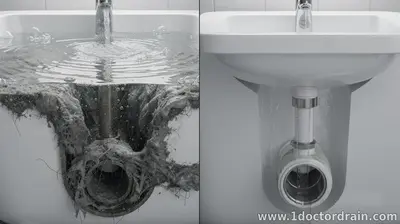
For many typical households, preventive drain cleaning is often recommended once every 12 to 24 months. This cadence helps remove buildup—such as hair, soap scum, food residue, and mineral deposits—that can gradually narrow pipes over time.
If your plumbing has a history of clogs, if several drains are affected during the same period, or if you live in an area with particularly hard water, you may want to lean toward the more frequent end of the range. Factors that can increase the needed frequency
Some homes require more proactive scheduling because their drains accumulate debris faster. Consider increasing the frequency if any of the following apply:
In these situations, many contractors recommend moving toward annual service—or scheduling targeted cleanings for specific problem lines—rather than waiting for a full backup. When you might extend the interval
Not every home needs the same schedule. If your household uses drains moderately, there are no recurring slowdowns, and your pipes are in good condition, preventive cleaning may be stretched beyond the two-year mark. Some homeowners only increase frequency after noticing early warning signs.
That said, “doing nothing” for too long can allow buildup to harden. Once deposits become compacted, they can be harder to remove and may require more intensive treatment. Signs you should schedule sooner
You don’t have to wait for an interval to end if your drains begin showing warning signals. Scheduling preventive cleaning soon is often wise if you notice:
Tailoring the plan to your plumbing system
How often you should clean can also depend on which lines are involved. Kitchen and bathroom drains tend to foul differently: kitchens often collect grease and food particles, while bathrooms commonly experience hair and soap-related buildup. Homes with multiple bathrooms or frequent guest use typically see faster accumulation in shared lines.
If you’re dealing with recurring issues in one area—such as a particular shower drain or a kitchen line—ask the service provider whether a targeted cleaning makes sense instead of treating the entire system.
Preventive drain cleaning is most effective when it’s timed to your risk level. For many households, scheduling every 1–2 years provides a practical balance, while homes with frequent clogs or heavier debris loads may benefit from annual cleanings. If you’re unsure where you fit, a brief assessment of your drain behavior and plumbing condition can help you set a realistic schedule.
| |
|
| |
CALL ☎ Subscribe 👆
Next & Previous posts
Related materials:

CONTACT US 📩
Submit the form, we'll contact you as soon as possible!