3:35 AM Laundry Drain Overflows: Causes and When to Call a Pro | |
|
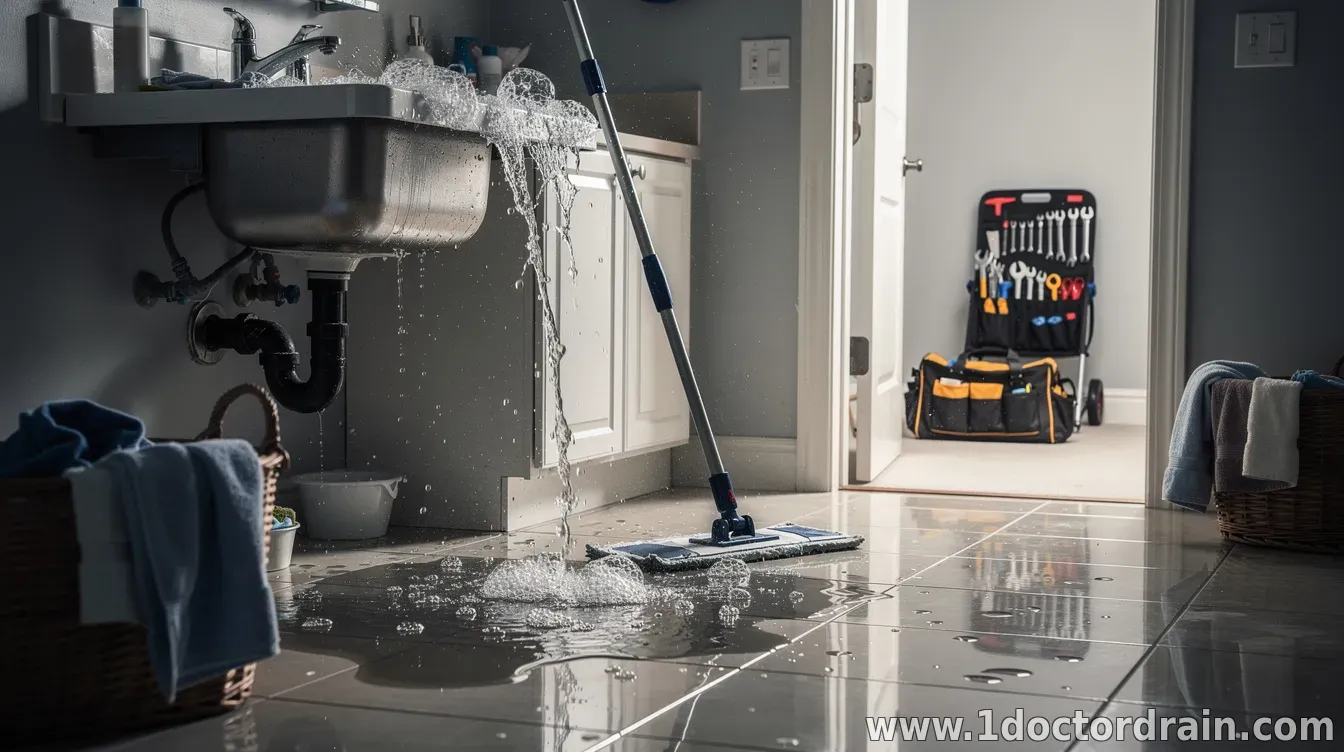
A laundry drain overflow can turn a routine wash into a mess in minutes. While some incidents come from minor, fixable issues, others signal a deeper plumbing problem that could worsen or cause water damage.
Understanding the most common causes—plus the moments when professional help is the safest choice—can reduce downtime, protect your home, and prevent repeat backups. Common causes of laundry drain overflows
Lint and debris clogs. Laundry water often carries lint, fabric fibers, hair, and small debris. Over time, this buildup can restrict flow in standpipes, drain lines, or the washing machine’s hose connections.
Slow drainage or a blocked standpipe. If the standpipe (the vertical drain connection) is partially obstructed or too narrow, water may rise during a wash cycle. When the machine pumps out faster than the drain can accept, overflow can occur.
Improper drain hose placement. If the drain hose is too low, positioned incorrectly, or inserted at the wrong depth, water can backflow or siphon. Incorrect installation can also affect how the washer discharges during different cycles.
Ventilation problems in the plumbing system. Plumbing vents release air so water flows smoothly. If a vent is blocked by debris, damaged, or improperly routed, the drain may struggle to move wastewater, sometimes resulting in gurgling sounds and backup at fixtures. Signs you should stop and call a pro
Many homeowners can take basic steps—like checking the hose connection or clearing accessible traps—when an overflow is a one-time event. However, call a licensed plumber promptly if you notice patterns or symptoms that suggest a larger blockage or ventilation failure.
Contact a professional if:
Why speed matters
Delaying a repair can allow clogs to harden with detergent residue and lint, making the blockage harder to remove. Overflows also raise the risk of mold, mildew, and structural damage—especially if water reaches drywall, subflooring, or insulation.
In addition, repeated backups can affect other parts of the drainage system, increasing repair costs. A plumber can typically identify whether the root cause is a localized clog, a venting issue, or a more extensive line problem. What you can do right away (before professional service)
If it’s safe and contained, take immediate steps to limit damage and clarify what’s happening:
Next steps: get the right diagnosis
A laundry drain overflow is often a symptom, not the whole story. When the problem is tied to venting, recurring clogs, or multiple-fixture backups, professional diagnosis is the fastest path to a durable fix.
If you’re dealing with recurring backups or any signs that the rest of your plumbing is involved, schedule a service call sooner rather than later to protect your home and restore reliable laundry flow.
| |
|
| |
CALL ☎ Subscribe 👆
Next & Previous posts
Related materials:
CONTACT US 📩
Submit the form, we'll contact you as soon as possible!