2:37 AM Garbage Disposal Dos and Don’ts to Avoid Drain Clogs | |
|
Garbage disposals are designed to handle small food scraps—not entire meals, grease, or non-food items. When homeowners use disposals incorrectly, they can cause clogged drains, unpleasant odors, and even costly plumbing repairs.
Below are practical dos and don’ts to help you avoid drain clogs while keeping your disposal cleaner and more efficient. Do: Feed it the right things
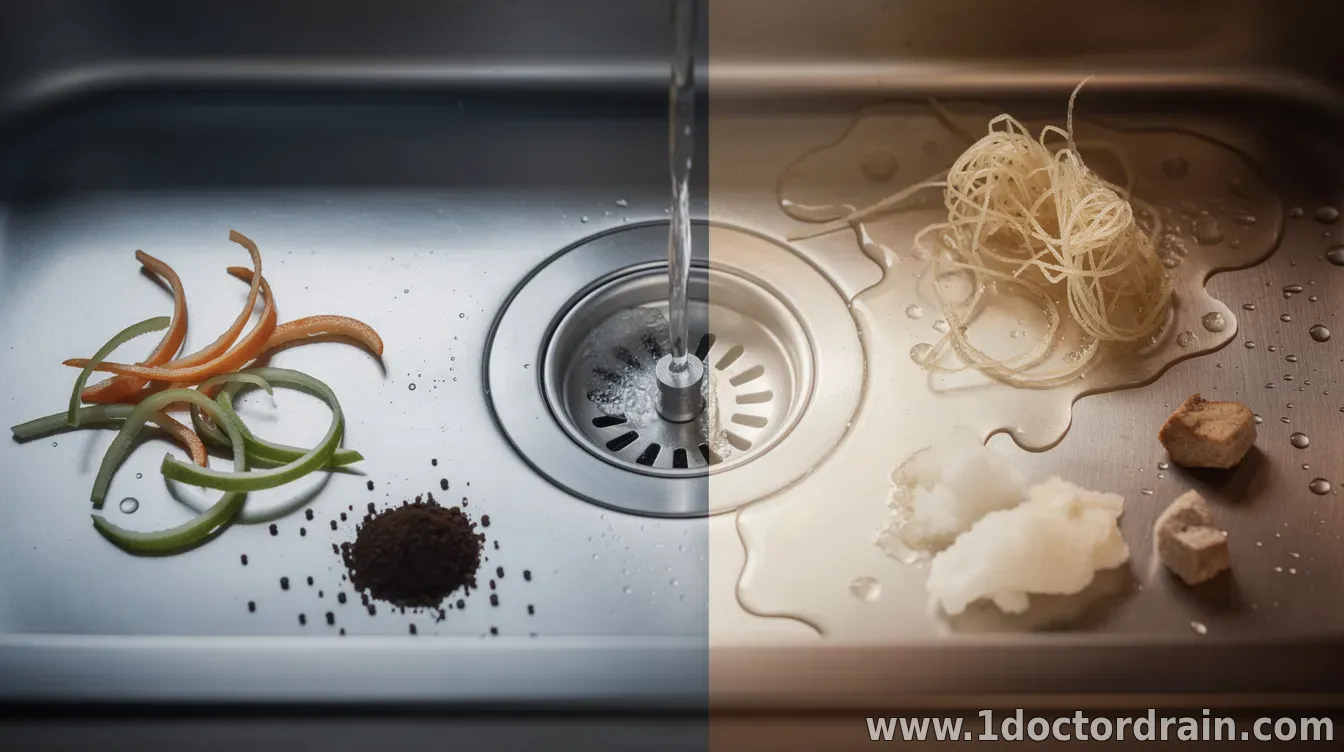
Run cold water before turning on the disposal, then feed small amounts of food at a time. Suitable items include soft food scraps like fruit and vegetable peels, small bits of cooked food, and leftover plant-based waste. Cutting larger scraps into smaller pieces can also help reduce strain and improve grinding. Don’t: Put grease and oils down the drain
One of the most common causes of clogs is grease. Pouring cooking oil, fat, or even “small” amounts of grease can lead to solid buildup inside pipes. Instead, collect grease in a container and dispose of it in the trash or follow your local recycling guidance. Do: Use plenty of water and keep it running briefly
Cold water helps move debris through the plumbing and prevents overheating. After you finish grinding, keep the disposal running with water for a short period to flush remaining particles. This simple routine can significantly reduce the chance of buildup that contributes to clogs.
It’s also helpful to scrape plates and wipe off excess food before rinsing. The cleaner the waste entering the disposal, the less material ends up accumulating downstream. Don’t: Toss non-food items or fibrous materials
Garbage disposals are not meant for fibrous or stringy items like celery, corn husks, onion skins, or potato peels—these can tangle and create blockages. Avoid putting in bones, shells, and pits unless your unit is specifically rated for them. When in doubt, check the manufacturer’s guidance.
Other common troublemakers include plastic, paper, and “disposable” wipes. These materials don’t break down properly and can lead to stubborn clogs even if your disposal seems to grind for a moment. Do: Grind gradually and pause if you notice issues
Overloading is another route to clogs. If the disposal struggles, slows down, or makes unusual sounds, stop and allow it to clear rather than forcing more waste in. Heavy jams may require manual clearing—always follow your disposal’s safety instructions.
For ongoing maintenance, periodically flush the unit with water, and consider odor control methods recommended by the manufacturer. A clean disposal reduces residue that can trap debris and contribute to drain problems.
By feeding your disposal appropriately, avoiding grease and fibrous items, and using water correctly, you can cut the odds of backups and keep your drains flowing.
| |
|
| |
CALL ☎ Subscribe 👆
Next & Previous posts
Related materials:
CONTACT US 📩
Submit the form, we'll contact you as soon as possible!