0:41 AM Backflow Valves for Floor Drains: Are They Worth It? | |
|
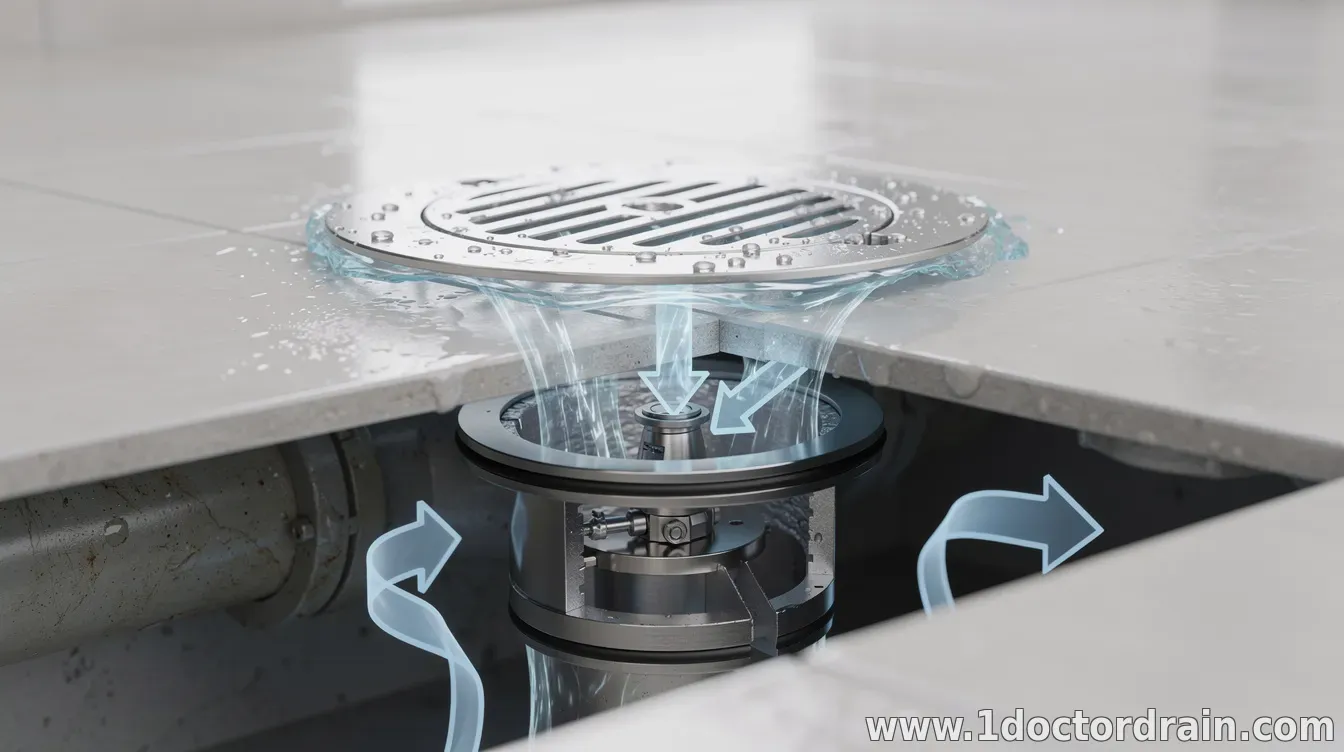
Backflow valves for floor drains are designed to prevent foul water from flowing in reverse into a building. In practice, that can matter most during storm surges, sewer overflows, or plumbing backups—situations when gravity and pressure can work against homeowners.
So, are they worth installing? The answer is often yes for some properties, but it’s not a universal fix. The value depends on how your drainage system is configured, how frequently backups occur in your area, and whether you can maintain the devices over time. When backflow protection is most useful
Backflow events are typically associated with high inflow to municipal sewers, blocked lines, or issues in shared plumbing. Floor drains are especially vulnerable because they’re commonly located at or near slab level, where reverse flow can enter living spaces.
If you have a basement, garage, crawlspace, or utility room with floor drains—and especially if local conditions include heavy rainfall or known surcharge risks—backflow valves can reduce the likelihood of wastewater entering your home. Benefits: what homeowners gain
The main advantage is risk reduction. A properly installed backflow valve can act as a one-way barrier, allowing normal drainage to flow out while closing to resist reverse flow.
For many households, the payoff is practical: fewer cleanup events, less exposure to sewage-related contamination, and reduced likelihood of damage to floors, finishes, and stored items. It can also complement other safeguards such as sump pumps or foundation drainage improvements. Limitations: why they aren’t foolproof
Backflow valves are only as effective as their installation and maintenance. If the valve is the wrong size or type for the drain, installed incorrectly, or becomes clogged, performance can degrade. Debris, sediment, and grease can hinder the moving parts that allow one-way operation.
Another limitation is that not all floor drain setups are equal. Some systems route through floor drains to specific branch lines; others may require additional check valves at different points in the plumbing. In some cases, a valve at the floor drain may not address the root cause of a backup elsewhere in the network. What “worth it” usually means: key decision factors
Before installing, evaluate the likelihood and impact of backups in your location and building type. Properties that most often benefit include those with frequent storm-driven flooding concerns, older plumbing with higher blockage risk, or basements where floor drains are a primary pathway for water.
Also consider inspection access. Choose a system that allows periodic checking and cleaning so the valve remains functional. If you can’t realistically maintain it, the risk of failure increases.
Installation and upkeep: keeping protection reliable
Most effective installations are designed around correct orientation (to ensure one-way flow), proper fitment to the existing piping, and secure connections that prevent leaks. A licensed plumber can also verify whether additional backflow protection is needed upstream.
Ongoing upkeep generally includes periodic inspection for clogs and ensuring the valve opens freely during normal drainage. Homeowners may need to remove debris from drain strainers and keep the area around the drain clear to prevent buildup that could interfere with operation. Bottom line
Backflow valves for floor drains are often worth installing when you have basement or slab-level drains exposed to storm-driven sewer pressure, and when you can ensure correct installation and maintenance. They can provide meaningful added protection—but they’re not a substitute for broader plumbing safeguards or for addressing recurring drainage problems.
If you’re unsure, the most efficient next step is a targeted assessment: confirm your floor drain’s routing, review local backup risk, and ask a plumber whether a valve at that point will actually reduce your household’s specific risk.
| |
|
| |
CALL ☎ Subscribe 👆
Next & Previous posts
Related materials:
CONTACT US 📩
Submit the form, we'll contact you as soon as possible!