1:59 AM DIY Drain Cleaners vs. Professional Service: Real Costs | |
|
When a sink or shower starts draining slowly, DIY drain cleaner ads can make it seem like the problem is solved in minutes. But the true cost depends on what caused the clog, how long it’s been there, and whether your approach prevents—or worsens—the underlying issue.
In many homes, the decision isn’t just “DIY versus pro.” It’s “how much risk are you willing to take to avoid paying for labor,” because the wrong DIY method can turn a simple blockage into a plumbing repair. The visible costs of DIY
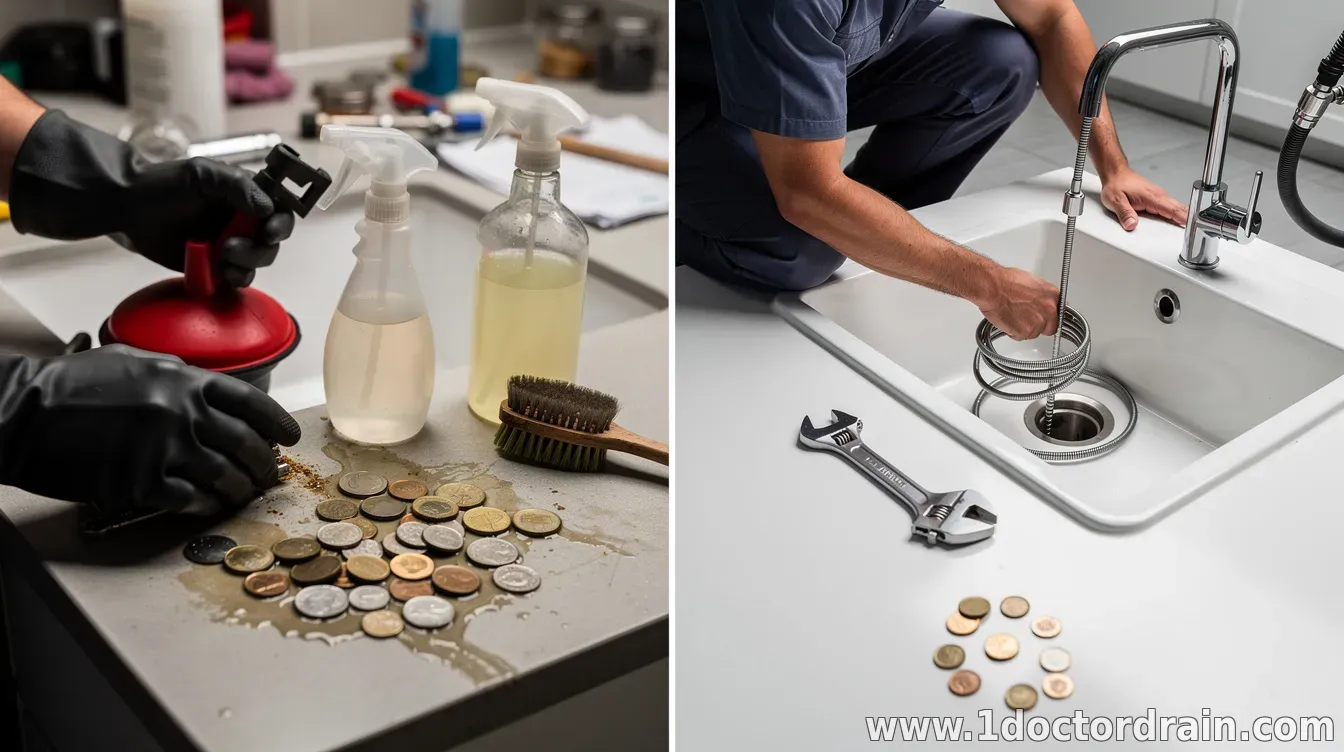
DIY typically starts with a lower headline price: a bottle of chemical cleaner, a household tool, or a one-time rental. Chemical products may cost less up front, but they can also require repeat treatments if the clog doesn’t fully clear. Tools like plungers and drain augers may cost more than chemicals, yet they often reduce the need for multiple attempts.
There’s also an “indirect” DIY cost: time, cleanup, and potential downtime. If you run repeated treatments, you may end up unable to use the sink or shower while you troubleshoot, which can affect daily routines. Hidden risks that can raise the bill
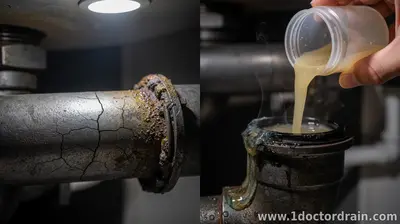
The biggest driver of “real cost” is risk. Caustic drain chemicals are designed to dissolve certain materials, but not all clogs behave the same way. If your clog is caused by something that chemicals can’t easily break down—like hair combined with grease, or a partial blockage farther down the line—DIY efforts may fail and delay the real fix.
There’s also the possibility of collateral damage. Excessive chemical use can irritate surfaces, create unpleasant odors, and complicate later repairs. In some cases, it may even interfere with professional equipment or inspections, adding to the eventual cost. Professional service: what you’re paying for
Professional plumbers generally charge for labor and diagnostic work, which can make the upfront figure look higher than a DIY purchase. However, pro services often address the clog more directly—using tools like motorized drain snakes, cameras for inspection, or high-pressure methods such as hydro-jetting—especially when the cause isn’t obvious.
Beyond clearing the immediate blockage, a key value is determining why it happened. If recurring clogs are driven by tree-root intrusion, a failed trap/vent issue, or a buildup pattern, a diagnostic approach can prevent repeat emergencies that would otherwise keep you paying for DIY attempts. A practical cost comparison
Here’s a consumer-friendly way to estimate which path is cheaper. Start with your DIY materials cost (chemical or tools). Add the cost of any repeat attempts and the cost of lost use—if you need another bathroom, a backup setup, or downtime to manage overflow risks. Then consider the probability that DIY will not fully solve the issue.
For professional service, think in terms of what the visit may include: diagnosis, clearing, and (if needed) inspection. The “real cost” is often lower when the plumber identifies the source quickly rather than clearing the outlet and leaving the root cause for future problems.
When to call a pro sooner
Some signs suggest the “real cost” of DIY will rise because the problem is more complex. If multiple drains slow at once, if water backs up, if you hear gurgling, or if you notice persistent odors, the issue may involve venting or a broader line problem. Similarly, if DIY attempts fail after a reasonable first effort, continuing may waste time and increase the risk of complications.
Also consider your household safety. Drain chemicals can be hazardous to handle, and mixing or repeated exposure is a common path to frustration and avoidable risk. When in doubt, a professional approach helps you avoid escalating costs through trial-and-error. Bottom line: the cheapest option depends on the cause
DIY drain cleaners can be inexpensive—until they don’t work the first time or until repeated attempts create avoidable complications. Professional service often costs more upfront, but it can reduce total expense by diagnosing the cause and clearing the blockage effectively.
If you want to choose the most economical route, treat DIY as a first step for straightforward clogs, then pivot to professional inspection when symptoms persist or worsen. That strategy tends to minimize both your out-of-pocket spending and the likelihood of a repeat emergency.
| |
|
| |
CALL ☎ Subscribe 👆
Next & Previous posts
Related materials:
CONTACT US 📩
Submit the form, we'll contact you as soon as possible!