
1:34 AM How Tree Roots Invade and Damage Sewer Lines | |
|
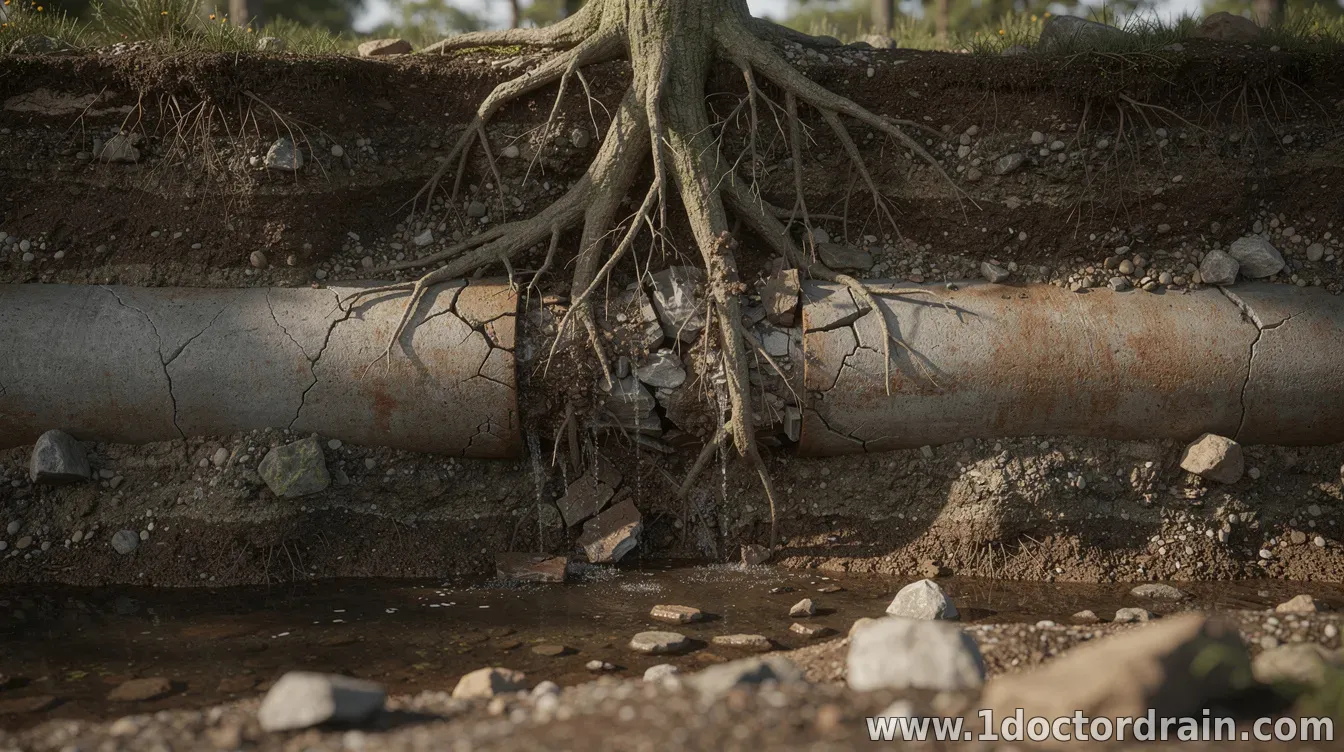
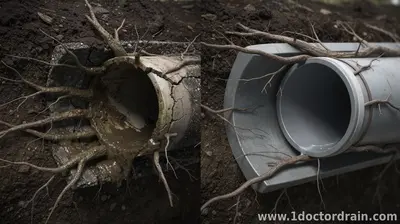
Tree roots don’t typically “break” sewer lines from the outside in the way people often imagine. Instead, most damage happens when roots find a pathway—such as a crack in a pipe, a loose joint, or a weak spot near a manhole—and then grow into that space.
Sewer pipes carry wastewater and are designed to keep water contained. But even minor defects can create openings that roots can exploit. Once roots enter, they respond to the wet, nutrient-rich environment inside or near the line, which helps them proliferate and continue expanding the damage. Where the cracks and openings usually begin
Many root intrusions start long before any roots are visible. Over years or decades, underground infrastructure can shift due to soil movement, settling, vibrations, or tree growth. Common entry points include:
Why moisture draws roots to sewer lines
Tree roots are attracted to water. A leaking sewer line releases moisture into surrounding soil, creating a “signal” for roots to grow toward the source. Even when the pipe is not fully leaking, small seepage can maintain a consistently damp micro-environment—exactly what roots seek to support growth.
In some cases, roots don’t just enter through an opening; they also grow along the damp soil around the pipe until they encounter a defect large enough to penetrate. As they expand, they may displace material, widen the crack, or worsen the alignment problem that allowed entry in the first place. How roots cause blockages and backups
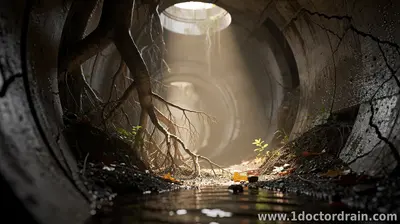
Once inside a sewer line, roots can obstruct flow in several ways. They may tangle within the pipe, accumulate around joints, or grow in a way that gradually reduces the pipe’s effective diameter. Even a partial obstruction can slow wastewater movement, increasing the likelihood of clogs from debris like grease, hair, and sediment.
As blockages worsen, symptoms can include slow drains, recurring clogs, gurgling sounds in plumbing, sewage backups, or foul odors near cleanouts and outdoor areas. Because sewer lines operate underground, damage may progress unnoticed until a household or building experiences plumbing failures. Which trees are most often implicated
Root behavior varies by species and local conditions, including soil type, groundwater level, and pipe condition. While many trees can cause problems, fast-growing or moisture-seeking species are more frequently associated with sewer line damage. That said, pipe defects and leaks are typically the real enabling factor—healthy, well-maintained sewer lines are far less vulnerable. How to reduce the risk
The safest approach is to treat sewer protection as part of property management, not as a reaction to an emergency. If you’re planning landscaping or planting new trees, consider the location of sewer lines and keep planting far enough away to reduce the chance of root intrusion.
For existing trees, proactive inspection matters. If there are signs of recurring backups or suspected leaks, a professional sewer camera inspection can reveal cracks, misaligned joints, and root growth locations. Timely maintenance—such as addressing leaks, repairing damaged sections, and using appropriate line-rehabilitation methods—can prevent smaller problems from becoming major infrastructure failures.
Understanding the “how” behind root intrusion helps homeowners and facility managers act earlier. In most cases, the story isn’t simply that roots are strong—it’s that underground lines develop weak points over time, and moisture provides the pathway for roots to exploit them.
| |
|
| |
CALL ☎ Subscribe 👆
Next & Previous posts
Related materials:
CONTACT US 📩
Submit the form, we'll contact you as soon as possible!