0:57 AM Grease Trap Mistakes That Clog Summer Outdoor Kitchens | |
|
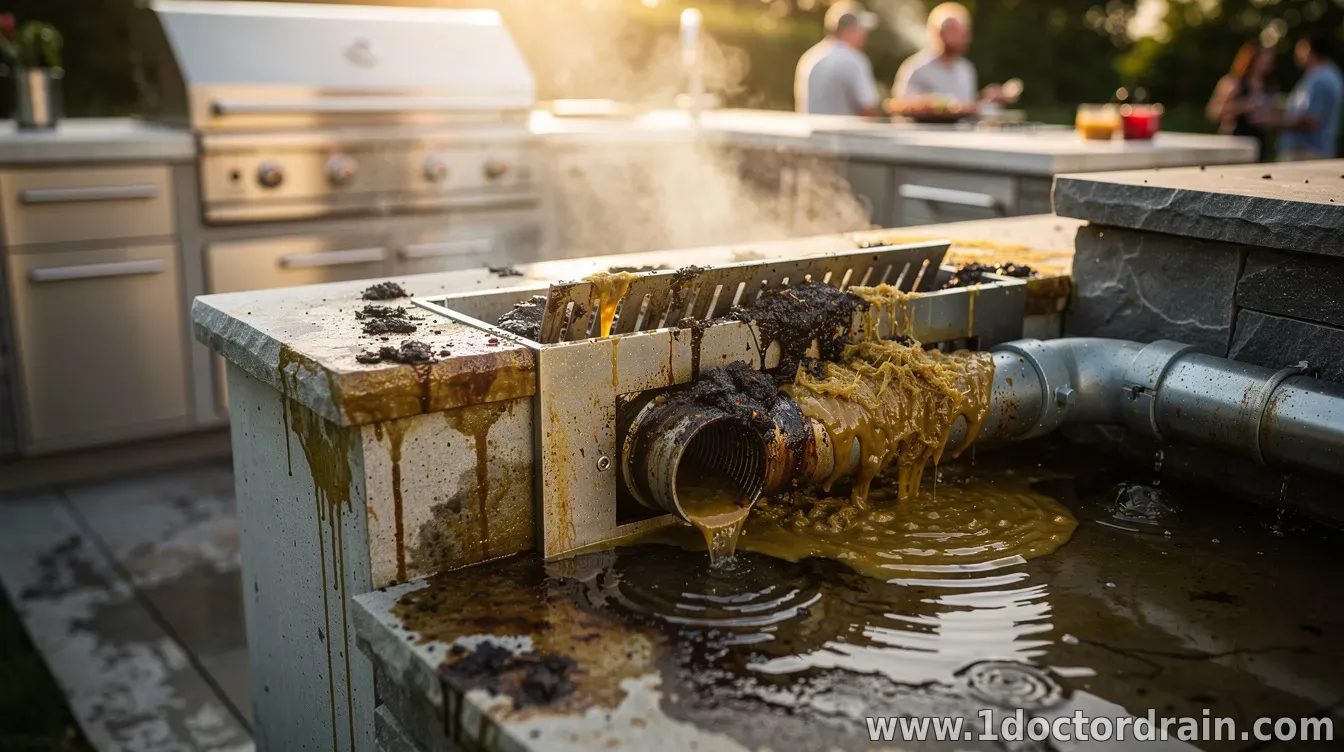
With summer BBQ season in full swing, many outdoor kitchens see a surge in cooking volume—and with it, more grease, food residue, and cleaning runoff heading toward drains. When grease traps are misused or neglected, they can fill faster than expected, clog, and trigger backups that disrupt entertaining and increase repair costs. Why grease traps clog during heavy grilling
Grease traps are designed to capture fats and oils before they travel further into a home’s plumbing system. During peak grilling, the trap can become overloaded if grease is introduced in large quantities, if cleaning practices send solids into the system, or if the device isn’t maintained on a schedule that matches actual usage.
Outdoor setups are especially vulnerable because they’re often connected to multiple activities—grilling, washing utensils, dumping ice melt or marinade containers, and draining coolers—sometimes all within the same drain path. Common grease trap mistakes that cause summer blockages
1) Pouring grease down the drain. Even “small” amounts of rendered fat can accumulate over time. What looks like liquid when it’s hot can solidify as it cools, sticking to trap walls and downstream pipes.
2) Skipping regular pump-outs or cleanings. Grease traps require removal of collected material—at intervals that depend on volume and user behavior. Waiting until there’s an obvious problem often means the trap is already beyond its intended capacity.
3) Letting food scraps and solids enter the trap. Scrape-and-rinse routines can be deceptive. Items like charred bits, onion skins, bones, rub residue, and batter can add load and accelerate buildup, turning grease capture into a partial clog rather than a controlled interception. Simple prevention steps for peak season
Use “catch and dispose” methods for cooking grease. Collect used grease in a heat-safe container and dispose of it through appropriate municipal or waste channels rather than sending it into drains.
Keep solids out of the plumbing. Wipe grills and prep surfaces to remove residue before washing. Strain or scrape food particles from sinks before any water that may carry grease enters the drain.
Maintain the trap based on usage—not the calendar. If you’re hosting frequent cookouts, schedule inspections and pump-outs more often. Consider adding a quick check before the biggest holiday weekends when volumes spike.
Watch early warning signs. Slow drainage in the sink or around the outdoor kitchen, gurgling sounds, unpleasant odors, or standing water can indicate the trap is nearing capacity. Addressing these signals quickly can prevent a full blockage.
For best results, confirm the type and capacity of your grease trap and follow manufacturer and local guidance for maintenance. If you’re seeing repeated clogs during summer, a professional inspection can identify whether the issue is trap volume, installation, plumbing slope, or user practices.
| |
|
| |
CALL ☎ Subscribe 👆
Next & Previous posts
Related materials:

CONTACT US 📩
Submit the form, we'll contact you as soon as possible!