1:39 AM Grease Trap Maintenance Schedules: How Often Is Enough? | |
|
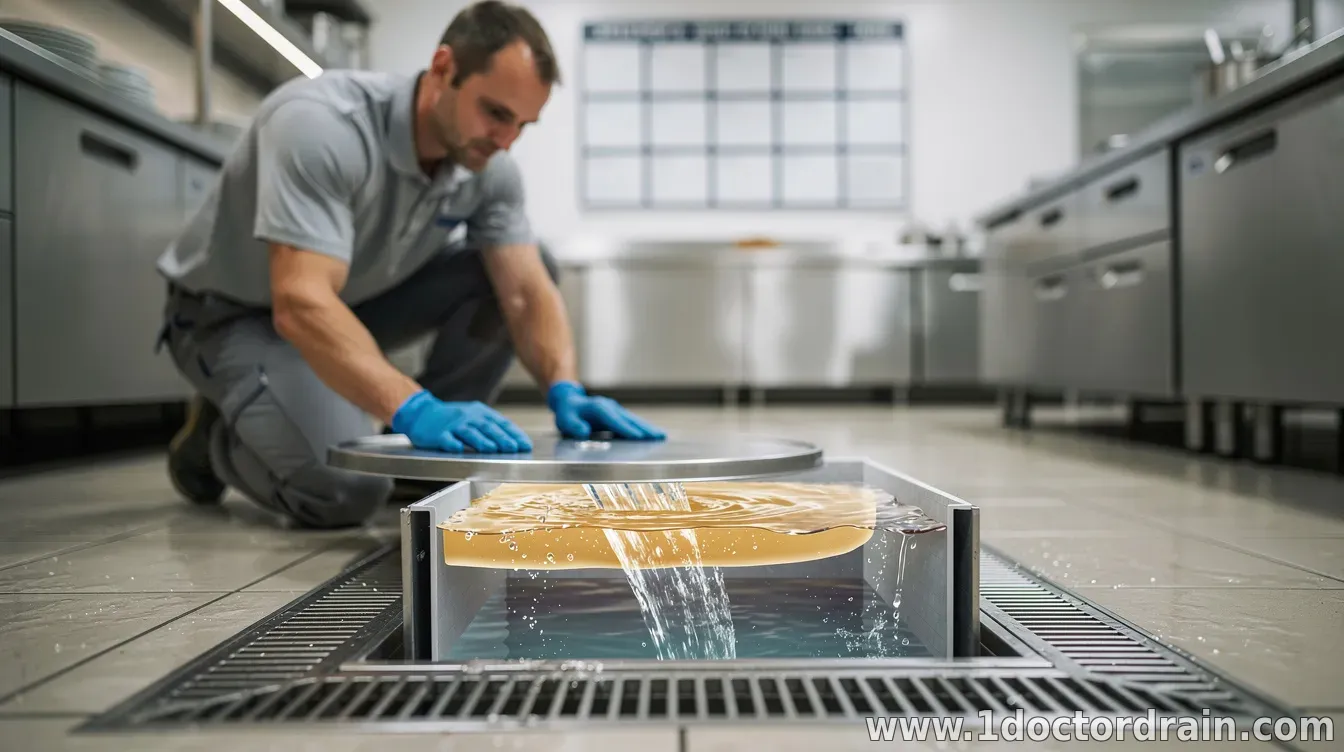
Grease traps are designed to intercept fats, oils, and grease (FOG) before wastewater reaches municipal sewer systems or treatment facilities. But like any equipment, their effectiveness depends on maintenance. If cleaning is delayed too long, FOG can accumulate, reducing capacity, clogging plumbing, and increasing the risk of sanitary sewer backups.
There is no single “universal” interval for every business. Restaurants, food processors, and other commercial kitchens differ widely in how much grease they generate and how quickly. Many jurisdictions also set minimum requirements or require documentation of service to ensure compliance. Why maintenance frequency matters
As grease trap contents build up, the trap’s ability to separate solids and liquids declines. When capacity is exceeded, grease can pass through or obstruct internal baffles and flow paths, leading to slow drains, recurring odors, and foul-tasting wastewater. In severe cases, grease accumulation can contribute to blockages further down the line.
Frequent maintenance also helps facilities reduce unpleasant kitchen issues, avoid emergency call-outs, and maintain healthier plumbing operations overall. Common schedule benchmarks (and why they vary)
Many operators start with conservative benchmarks and adjust based on observed performance. In practice, cleaning may range from every few weeks to multiple times per year, depending on trap size, installation type, and how busy the kitchen is. Higher-volume operations typically need more frequent service than light-duty facilities.
Several factors influence how quickly a trap fills:
How to determine “enough” for your facility
A practical approach is to combine regulatory requirements with site-specific monitoring. Facilities can track trap levels and service history to create a realistic cleaning cadence. Common best practices include:
Rather than waiting for obvious failures, operators can schedule cleanings based on when capacity is projected to be reached. Regulatory compliance and documentation
Local wastewater authorities may require grease trap cleaning intervals, service reports, and records demonstrating that the system is maintained. Some areas implement permitting requirements for grease interceptors, while others rely on health and sanitation oversight.
Businesses should confirm their obligations with their local jurisdiction and keep documentation from licensed service providers when required. Having complete records can also help when renewing permits or responding to customer complaints about odors or plumbing issues. What happens when maintenance is too infrequent
When grease trap maintenance falls behind, the risks go beyond inconvenience. Excess grease and solids can lead to repeated backups, increased repair costs, and potential environmental harm if discharges occur. Emergency clean-outs tend to be more expensive than planned service and can disrupt operations.
For many facilities, the “cost of waiting” becomes clear during peak service periods—when accumulated grease has less time to settle or be removed before it impacts drainage performance.
Choosing an appropriate maintenance schedule for grease traps is a balance of compliance, capacity management, and real-world performance. Start with common benchmarks, then refine frequency using service records, inspections, and indicators like odors or recurring clogs. Over time, the goal is to prevent buildup from ever reaching the point where separation fails.
If you’re unsure where to begin, review local requirements, assess your grease loading conditions, and consult a qualified grease trap service provider to establish a schedule tailored to your operation.
| |
|
| |
CALL ☎ Subscribe 👆
Next & Previous posts
Related materials:
CONTACT US 📩
Submit the form, we'll contact you as soon as possible!