
1:08 AM How Long Does a Video Inspection Take? | |
|
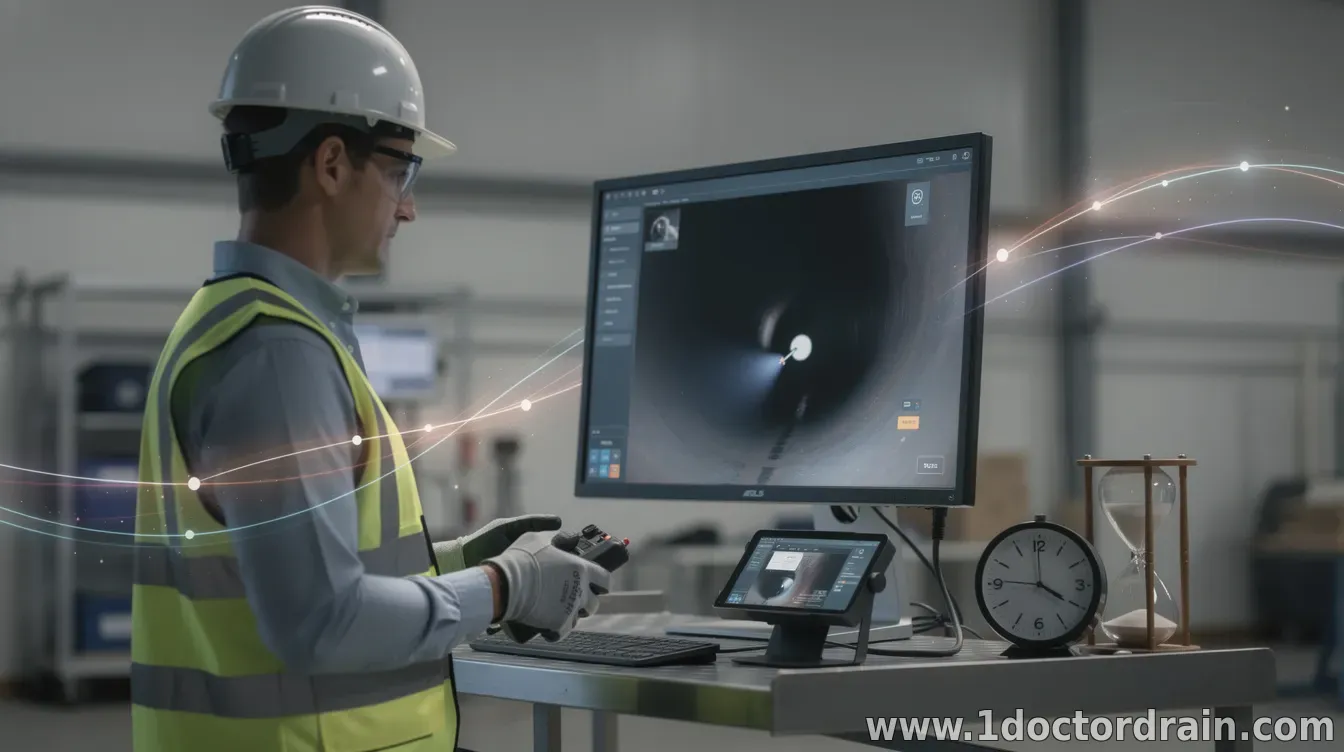
Video inspections are used to assess the condition of drains and pipes without digging, by inserting a camera into the line and recording what’s inside. While many people ask “how long will this take?”, the real answer depends on site conditions, the length and complexity of the plumbing run, and the scope of the investigation.
In practice, many straightforward residential drain or sewer inspections are completed on the same visit, but longer or more complicated cases can require additional time to set up, scan thoroughly, and document findings. Typical inspection duration
For common residential jobs—such as locating a blockage, checking a suspect section, or surveying a short run—video inspection usually takes about 30 minutes to 2 hours. If the line is longer, multiple sections must be examined, or there are access challenges, the total time can extend to 2 to 4 hours.
Commercial inspections or large, multi-branch systems may take longer, especially when teams need to coordinate access points and cover extensive footage. In those scenarios, the work can take half a day or more depending on the objectives. What affects how long the inspection takes
Several practical factors influence inspection length:
Even when the camera traversal itself is relatively fast, the time spent documenting the footage—marking locations, capturing stills, and writing a clear summary—often determines how long the inspection visit lasts. How to estimate time before booking
To get a realistic schedule, it helps to clarify the goal of the inspection. Ask the provider what they plan to check (a specific problem area vs. the entire line), and whether there are known constraints like limited cleanout access or prior repairs.
Providing details such as approximate pipe length, the number of segments involved, whether the issue is recurring, and any prior cleaning or jetting can help the team plan the right approach and reduce delays. What happens during and after the inspection
Most inspections follow a sequence: initial setup and equipment testing, camera insertion and scanning, stopping at key observations, and then reviewing the footage to identify defects or the cause of a blockage.
After the camera run, you typically receive a report and a video file. Turnaround time for the written summary varies by provider, but many can deliver immediate findings on-site and share the full documentation shortly afterward.
Bottom line: most video inspections are completed in one visit, commonly 30 minutes to a few hours, with longer timelines reserved for complex lines, difficult access, or significant debris that needs additional attention.
| |
|
| |
CALL ☎ Subscribe 👆
Next & Previous posts
Related materials:
CONTACT US 📩
Submit the form, we'll contact you as soon as possible!