2:47 AM How Tree Roots Intrude Pipes and What to Do | |
|
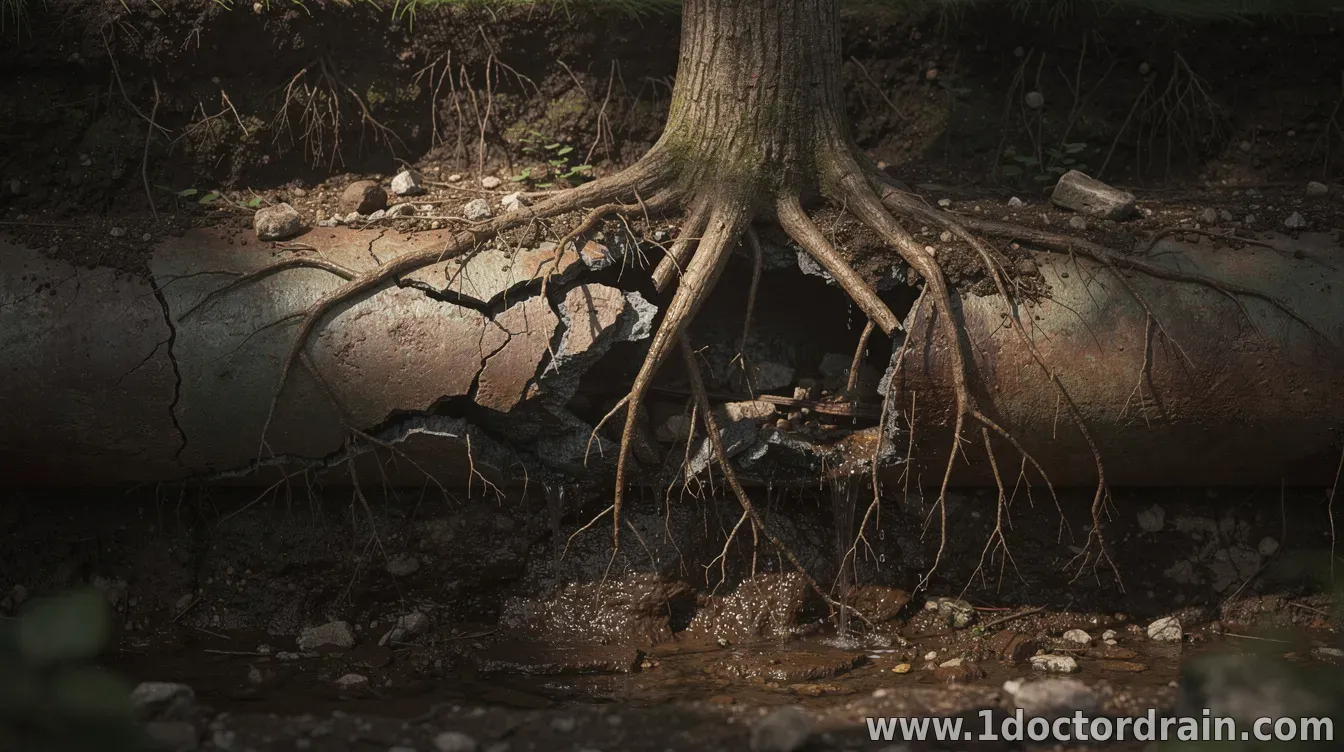
Tree roots don’t usually “attack” pipes on purpose—they respond to conditions. When underground plumbing offers moisture, nutrients, or a pathway through damage, roots can grow toward it, eventually entering via cracks, joints, or aging infrastructure.
Root intrusion is a common cause of clogged drains and sewer backups, particularly in older neighborhoods where pipe materials, installation methods, and repair histories vary. Once roots enter, they can snag on surfaces, continue expanding, and further narrow the flow. Why roots target pipes
Trees grow toward water, and leaking lines provide a steady supply. Even if the main pipe isn’t actively leaking, damp soil around joints can attract roots. In many cases, a combination of small leaks, condensation, or wet backfill creates a “watering” hotspot underground.
Roots also seek oxygen. If a pipeline section is partially blocked, it may create conditions that support root growth along the interior. Over time, the roots can follow the path of least resistance, especially where the pipe is offset, misaligned, or compromised. The typical entry points
Roots are most likely to enter at weak spots rather than intact, well-sealed pipe. Common entry points include:
As roots reach these openings, they can wedge in, thicken, and spread—often starting as small channels before expanding into blockages that become harder to clear. How the intrusion progresses
Root intrusion usually develops in stages. First, a root senses moisture and grows along soil gradients toward the plumbing. Next, it finds an opening and begins to penetrate. Then, the root mass grows internally, catching debris and narrowing the effective pipe diameter. That narrowing can reduce flow and increase pressure behind the blockage. Eventually, symptoms appear above ground—such as slow drains, recurring clogs, gurgling sounds, or, in more serious cases, sewage backups. Signs homeowners and facilities can watch for
While exact diagnosis requires inspection, repeated plumbing issues after “routine” clearing are a red flag. If clogs return quickly or only affect specific lines, root intrusion is often a likely cause.
Additional indicators include persistent damp spots near cleanouts, frequent sewer line maintenance calls, or visible tree growth unusually close to known service corridors. For property managers and utilities, patterns such as recurring stoppages in the same segment can help pinpoint where intervention is needed. What to do: removal vs. prevention
Root removal can restore flow temporarily, but long-term protection depends on sealing and repairing the pipeline. Mechanical cutters, hydro-jetting, or specialized root-removal tools may clear existing intrusions, especially when the damage is localized.
However, if the underlying entry point remains—such as a cracked pipe or failed joint—roots typically return. The most durable solutions usually involve repairing the line (for example, via section replacement or trenchless rehabilitation) so that the pipe becomes watertight again and eliminates the pathway that roots exploited.
Practical next steps include scheduling a camera inspection to confirm where and how roots entered, documenting the affected segment, and addressing leaks promptly. For new installations or major repairs, ensuring proper joint sealing, alignment, and appropriate setback distances from large trees can reduce future incidents.
By pairing targeted clearing with structural pipe repair, property owners can move from “catching up” to preventing root intrusion—protecting plumbing performance and reducing the cycle of repeated outages and backups.
| |
|
| |
CALL ☎ Subscribe 👆
Next & Previous posts
CONTACT US 📩
Submit the form, we'll contact you as soon as possible!