
1:10 AM Sump Pump Maintenance Checklist for Illinois Homeowners | |
|
With Illinois weather swinging between winter freezes and spring downpours, a reliable sump pump can be the difference between a dry basement and costly water damage. The good news: most failures happen before homeowners notice a problem, and routine checks can catch issues early.
This maintenance checklist is designed for typical Illinois homes with a sump pit and an electric pump. Use it as a seasonal guide—and adjust based on your pump model and manufacturer instructions. Before the first thaw or spring storms
Start with the basics: confirm the pump can actually run when the water rises. If you haven’t tested the system in a while, do it now.
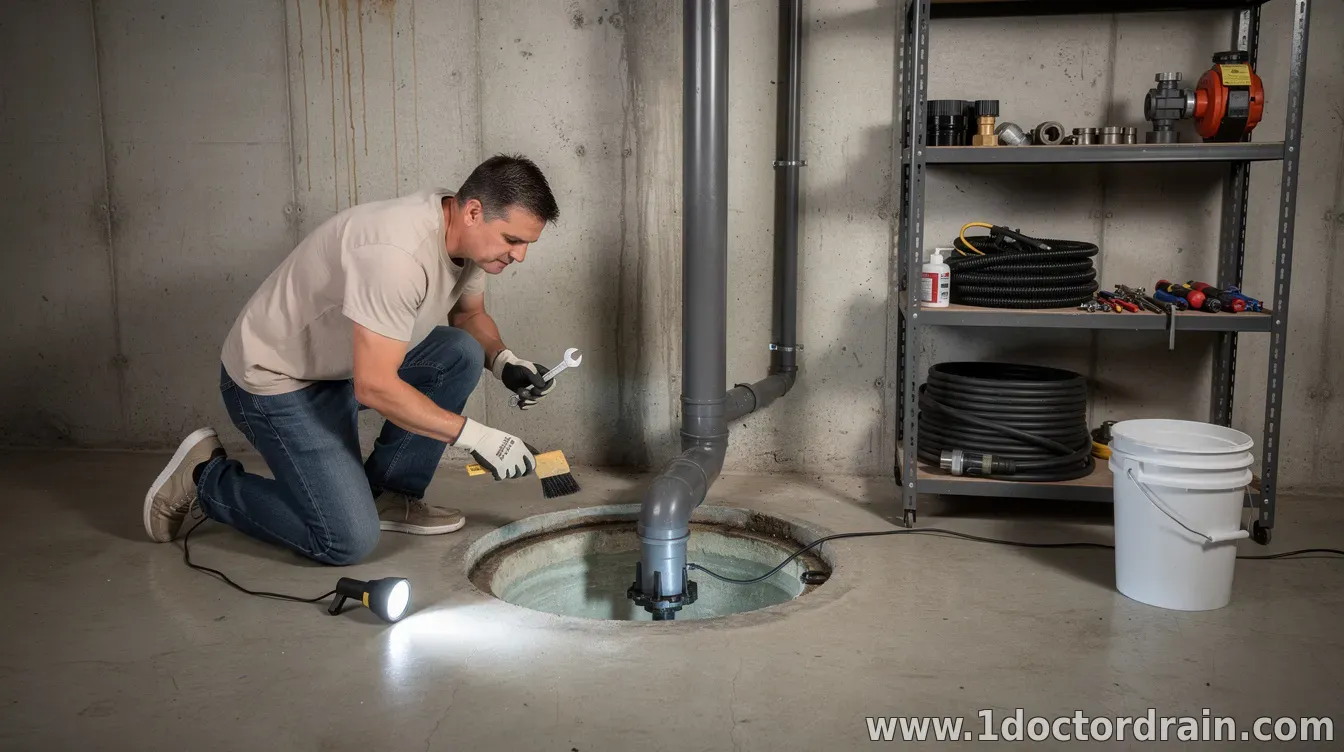
Inspect the sump pit and water flow path
Many sump pump problems come from blocked, restricted, or misrouted water movement—especially around discharge lines.
Also inspect where the discharge line exits the home. If the line discharges near landscaping, walkways, or where water can pool, consider relocating or adding controls that keep runoff from returning toward the foundation. Protect against freezing in Illinois winters
Illinois winters can turn a working discharge line into a frozen pipe, forcing the pump to run without moving water. Reduce that risk before temperatures drop.
If your discharge line runs through an unheated area or near ground that freezes deeply, confirm it’s installed to the recommended depth and consider insulation or other frost protection methods that match local conditions and your installer’s guidance.
After freeze periods, visually check for signs of blockage—such as ice buildup near discharge outlets or water backing into the pit. Power reliability and backup planning
Even the best pump can fail during outages. Illinois storms and heavy wind events can trigger power interruptions that leave basements vulnerable.
While testing, confirm the pump actually shuts off after the water level drops; pumps that cycle incorrectly can wear out faster and increase the chance of failure when you need them most.
Schedule maintenance throughout the year
A one-time spring test is helpful, but consistent checks catch wear and tear. Build a short routine into your home maintenance calendar.
As a baseline, plan to test the pump at least twice per year, and more often if your basement experiences frequent water seepage. When you do your tests, take notes on whether the pump sounds normal, how quickly it cycles, and whether discharge flow looks clear.
For longer-term upkeep, consult your pump manual for oiling (if applicable), impeller checks, and replacement intervals. Many homeowners also benefit from having a qualified contractor inspect the system every few years—especially if you’ve had recurring high-water events.
Finally, remember that sump pumps are part of a broader water management strategy. Proper grading, working downspouts, sealed foundation cracks, and interior drainage systems all reduce how often—and how urgently—the pump must operate.
By following this checklist and staying proactive through Illinois seasons, homeowners can improve reliability, reduce emergency repairs, and better protect finished basements from flooding risk.
| |
|
| |
CALL ☎ Subscribe 👆
Next & Previous posts
Related materials:
CONTACT US 📩
Submit the form, we'll contact you as soon as possible!