
5:30 AM Sump Pump Battery Backup: Do You Need One? | |
|
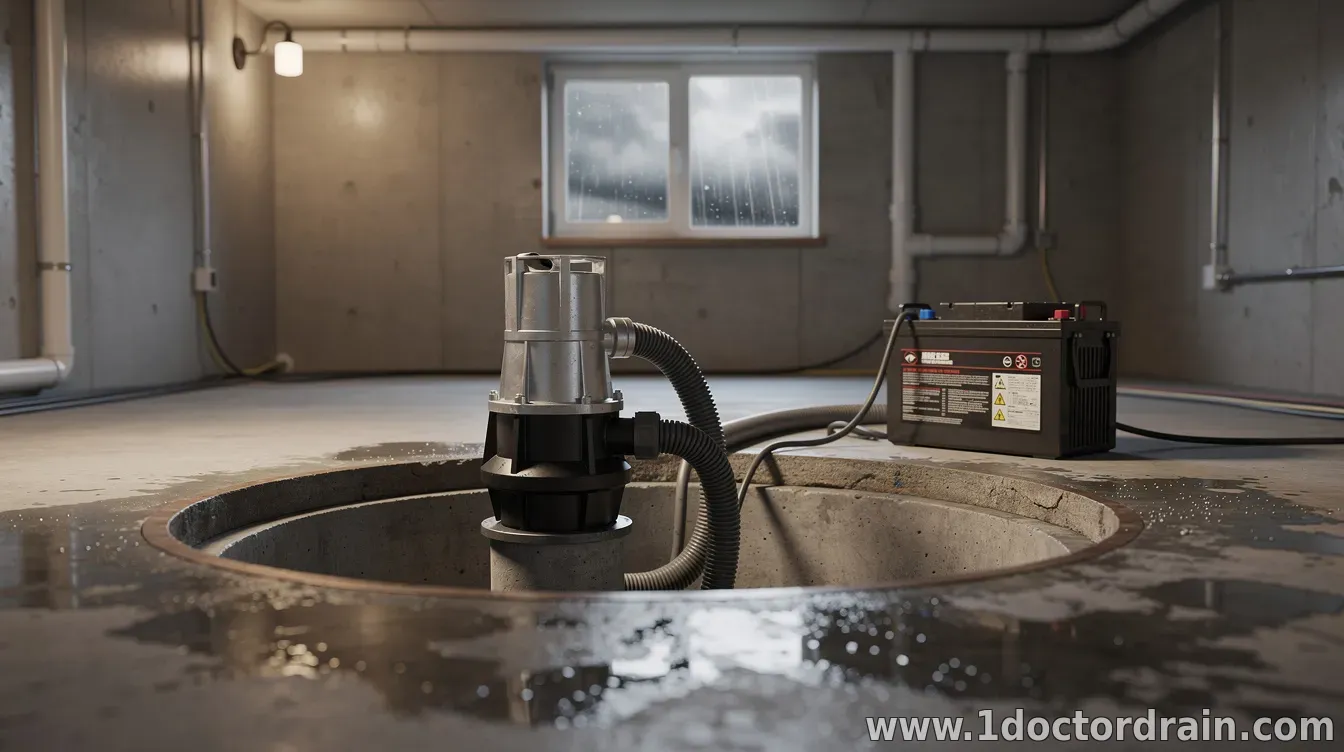
For many homeowners, a sump pump is the last line of defense against basement flooding. But when the electricity goes out—whether from a storm, grid failure, or local equipment issue—that protection can disappear. That’s where battery backups come in.
So, do you need a sump pump battery backup? The answer depends on your home’s flood risk, how critical the sump pump is to your water management, and how prepared you are for power interruptions. How battery backups help during outages
Battery backup systems are designed to power your sump pump when the main electricity supply fails. In practice, they can keep the pump running long enough to prevent water levels from rising to dangerous heights—especially during the first hours of an outage. Some systems also include alarms to alert you when battery power is low or when the system detects an issue. When a backup is strongly recommended
A battery backup is most compelling if your home has a history of basement seepage, frequent wet seasons, or prior flooding. It’s also a priority if you live in an area where power outages are common or typically last longer than a brief interruption.
Homeowners who rely on the sump pump for more than occasional water—such as finishing basements, protecting stored valuables, or managing consistently high groundwater—often find battery backup worth the cost. For many, the risk isn’t just inconvenience; it’s damage to floors, drywall, insulation, and personal property. What to consider before buying
Not all battery backups are equal. The key is matching the system’s capacity and discharge time to your sump pump’s power requirements. Larger or higher-impeller sump pumps may need more battery runtime than a small system can provide, which means you’ll want to check the pump’s wattage and the backup’s rated performance under load.
You should also consider whether your setup already includes a battery-powered alarm, whether the backup integrates with your pump directly, and what happens when the battery is depleted. Some units are designed to run only briefly, which may still be valuable if your goal is to cover the typical outage window until power returns. Alternatives and complements
If a full battery backup feels unnecessary or too costly, there are ways to improve resilience. A water alarm can warn you of rising levels before they become severe. Some homeowners also add a secondary pump or use backup drainage options to reduce dependence on any single system.
However, for many properties, the simplest safety net remains ensuring the sump pump can keep operating during blackouts—because once water starts accumulating, speed matters.
Ultimately, a sump pump battery backup is less about comfort and more about risk management. If outages are rare in your area and your basement stays dry most of the year, you might decide it’s optional. If you’ve experienced flooding, live with frequent storms, or want a stronger safeguard for valuable or finished spaces, investing in backup power can provide meaningful protection.
If you’re unsure, review your pump model, estimate expected runtimes, and consider how quickly power typically returns where you live. That combination usually makes the decision straightforward.
| |
|
| |
CALL ☎ Subscribe 👆
Next & Previous posts
Related materials:
CONTACT US 📩
Submit the form, we'll contact you as soon as possible!