
1:13 AM Basement Flooding 101: Sump Pumps, Backups, and Fast Response | |
|
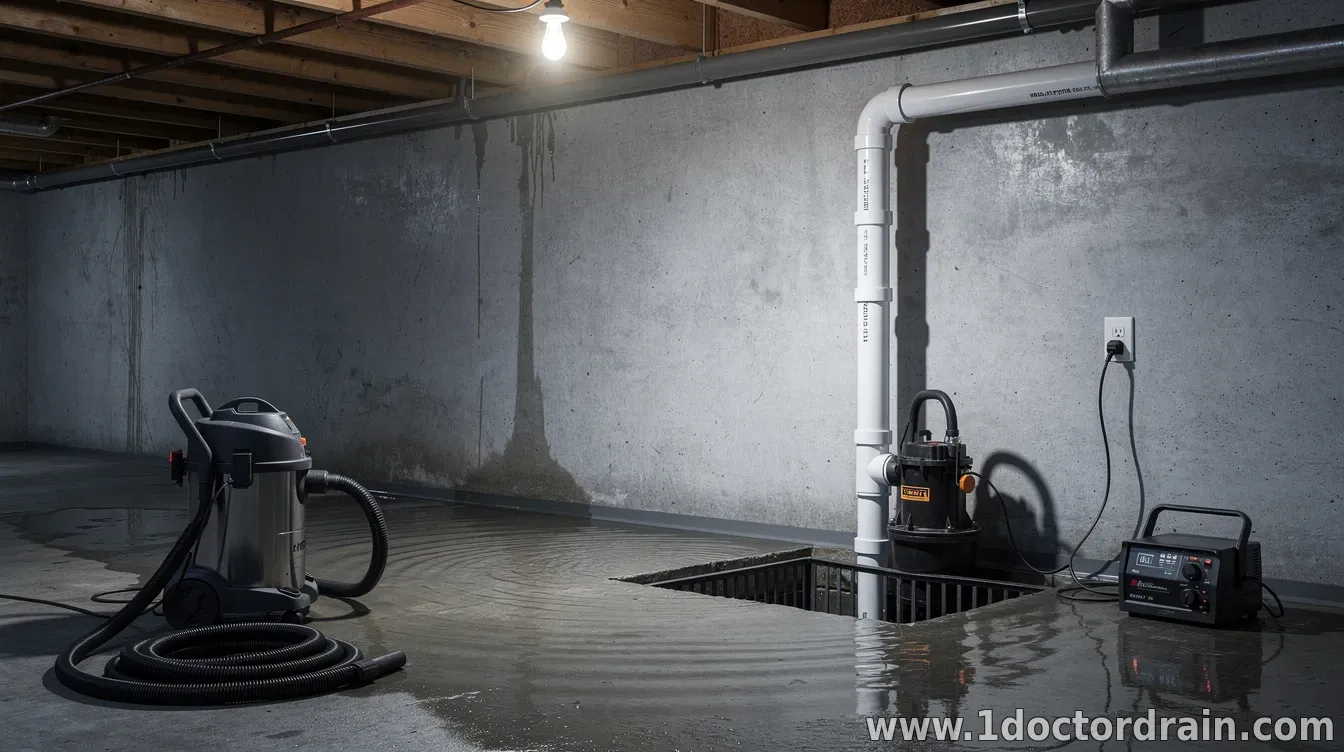
Basement flooding is often sudden: heavy rain, snowmelt, clogged drains, or groundwater pressure can overwhelm a home’s drainage system within hours. While no single device guarantees protection, a well-designed sump system—paired with backups and a clear response plan—can dramatically reduce how much water enters your basement and how long it stays there. Start with the sump pump you have (and what it actually does)
A sump pump collects water from a pit (the “sump”) and moves it away from your home, typically through a discharge line. Most failures aren’t about the pump “breaking” overnight—they’re about the system being undersized, poorly installed, or missing supporting components such as check valves and proper discharge routing.
If you’re unsure about your setup, verify basic details: the pump’s rated discharge capacity, its float switch type/height, the discharge line path (especially for freezing or blockage risks), and whether the system includes a check valve to prevent backflow. Size matters: match pump capacity to your conditions
Selecting a sump pump isn’t just about buying the largest unit. Capacity should align with your home’s drainage needs—often influenced by local rainfall intensity, soil type, basement size, and how quickly the groundwater rises. An undersized pump may run continuously without keeping the pit dry, leading to overflow at the worst time.
For best results, consider having a qualified contractor evaluate your system or at least benchmark performance: observe how quickly the pump kicks on during a known high-water period and whether the basin level returns to normal before water rises again. Backups: the difference between “minor flooding” and major loss
Backups address the most common catastrophe: the pump can’t run when you need it most. A dependable backup strategy usually combines multiple layers:
Even if you already have backup power, confirm it regularly. A backup system that hasn’t been tested can fail silently when urgency hits. Fast response: what to do when water starts rising
When you first notice water, treat it like an active emergency. The goal is to stop water from entering, keep the sump working, and begin drying once the source is controlled.
First 15–30 minutes: if safe, verify the pump is running, listen for normal operation, and check whether the pit level is dropping. If you have an alarm, confirm the alert status. If power is out and you have a backup, verify it engaged.
Next steps: reduce additional water intake by closing nearby interior water sources if applicable, clearing obvious obstructions in downspouts or exterior drains, and preventing debris from clogging sump intakes. Document conditions (photos/videos) for insurance if you plan to file a claim. After the water goes down: drying and prevention
Once active flooding subsides, don’t assume the job is done. Damp materials can lead to mold and lingering odor within days. Use fans and dehumidifiers, and if materials have been soaked for extended periods, consider professional assessment for drywall insulation, carpeting, or stored items.
Prevention also means reducing what feeds the problem: inspect gutters and downspouts for proper flow away from the foundation, check grading and drainage pathways, and ensure outdoor drainage systems aren’t blocked by leaves or sediment. If you frequently see high water, periodic maintenance of the sump pit—such as checking for silt buildup and verifying float movement—can keep performance dependable.
Basement flooding is stressful, but you can reduce the risk of major damage with a sump pump system designed for your home, redundancy that covers power and mechanical failure, and a practiced response plan. The safest approach is to review your current setup now—before the next heavy weather event—and test backups so you’re not relying on luck when water starts rising.
| |
|
| |
CALL ☎ Subscribe 👆
Next & Previous posts
Related materials:
CONTACT US 📩
Submit the form, we'll contact you as soon as possible!