1:11 AM Drain Services for Property Managers: Multi-Unit Buildings | |
|
Multi-unit properties present unique plumbing challenges: shared drain lines, staggered tenant schedules, and complex access across floors and units. When backups or slow drains occur, the response has to be coordinated quickly—while still being thorough enough to address the root cause.
Professional drain service teams approach these situations with a building-first mindset. Instead of treating symptoms in one unit, they focus on how wastewater moves through the property’s shared piping network and how interruptions affect tenants, operations, and long-term maintenance. How we diagnose the cause across shared drainage systems
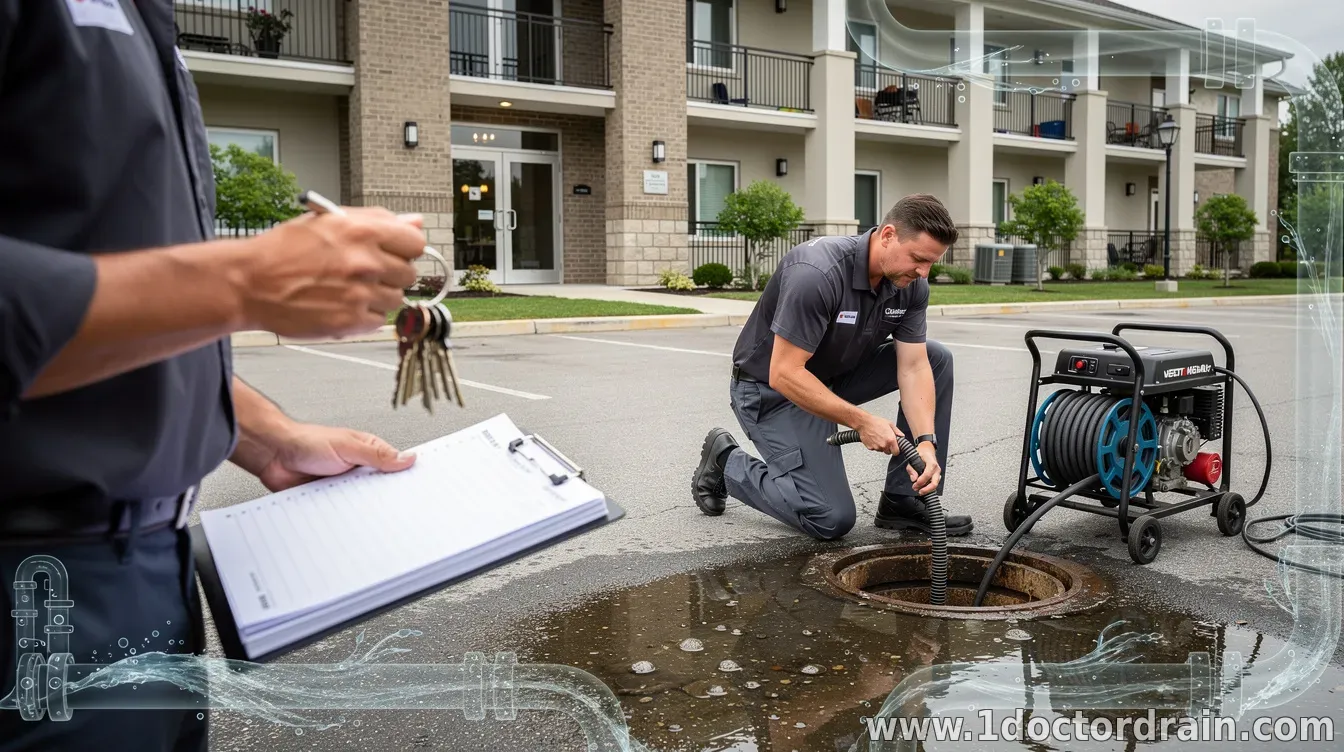
The starting point is accurate diagnosis. Technicians typically evaluate reported symptoms, check drain performance where issues are occurring, and then use inspection tools to view internal pipe conditions. This helps confirm whether the problem is localized (such as a specific fixture line) or upstream in a shared section of the drain system.
For multi-unit buildings, inspection prioritizes segments most likely to influence multiple tenants—such as main stacks, common horizontal runs, and tie-in points. The goal is to identify blockages, buildup, cracks, or offset sections that contribute to recurring clogs or intermittent backups. Targeted solutions that limit downtime and disruption
When a clog is confirmed, services are selected based on what’s inside the pipe and how far the issue extends. For many blockages, drain cleaning methods can clear obstructions efficiently, restoring flow while minimizing the need for invasive access.
Because tenant schedules vary, coordination matters. Service teams commonly plan work to reduce disruption, communicate access needs in advance, and aim to complete the job in a single visit when possible. That approach helps property managers keep common areas usable and maintain tenant satisfaction.
In situations where damage or deterioration is detected, the plan shifts from clearing alone to repair or restoration recommendations. For property managers, this is especially important: eliminating a blockage without addressing underlying pipe issues can lead to repeat failures and escalating costs. Preventive maintenance for long-term reliability
Multi-unit drainage systems benefit from proactive planning, not just emergency response. Preventive maintenance strategies may include periodic cleaning, inspection schedules, and documentation that tracks trends such as recurring buildup patterns or recurring slow-drain zones.
Teams also help property managers understand risk hotspots—areas where grease, debris, or scale buildup commonly accumulates—and set maintenance intervals that match building usage. With clear reporting, managers can prioritize the work that prevents future disruptions rather than reacting after residents report issues.
By combining fast response, accurate inspection, and maintenance planning, drain services can protect building operations and reduce the likelihood of repeat backups. For property managers, that means fewer emergency calls, more predictable budgets, and improved confidence in the reliability of shared drainage systems.
| |
|
| |
CALL ☎ Subscribe 👆
Next & Previous posts
Related materials:
CONTACT US 📩
Submit the form, we'll contact you as soon as possible!