NEWS

Home NEWS

☎ 312-532-6435

Drain сleaning serviсe, clogged drain, sewer cleaner, IL


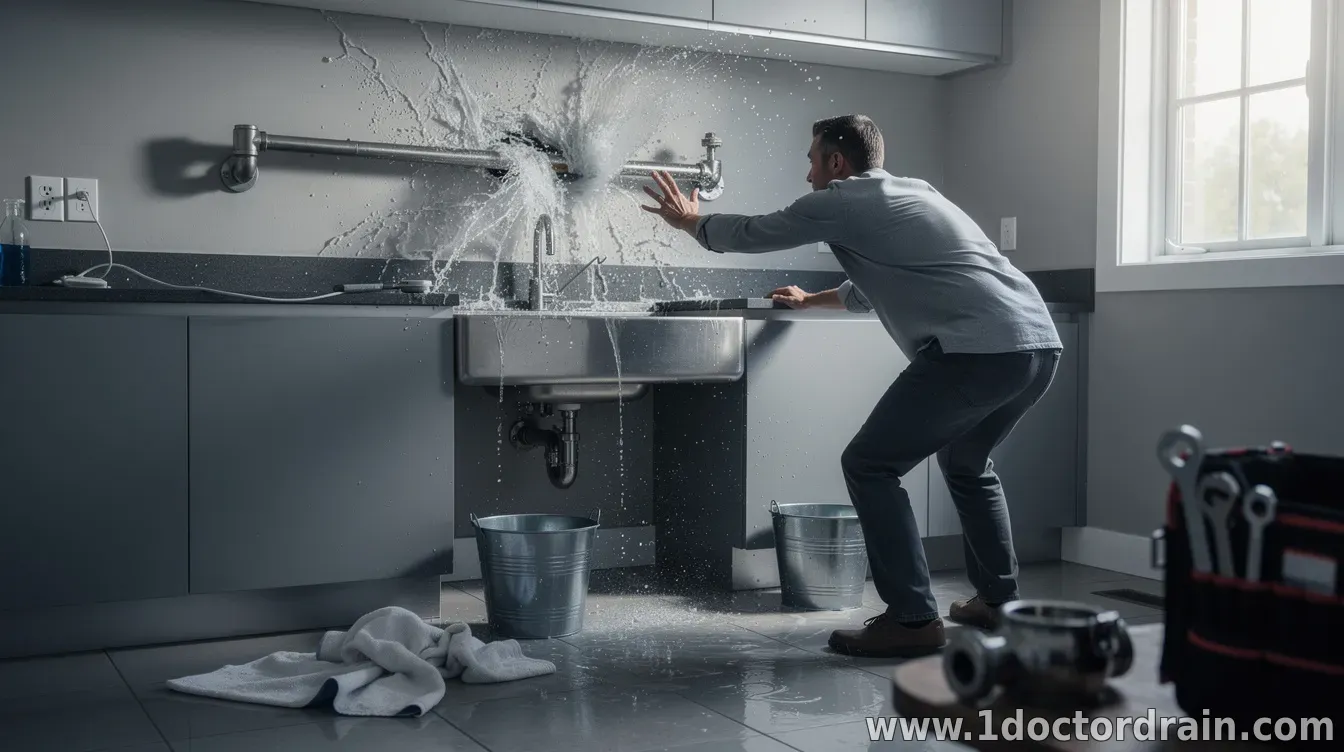
Frequent Drain Clogs Signal Possible Main Sewer Line Issues

Frequent Drain Clogs Signal Possible Main Sewer Line Issues


Persistent drain clogs—especially when a similar backup comes back weeks later—often point beyond a single drain or trap. Plumbing professionals commonly treat recurring backups as a signal that the home’s main sewer line may be partially blocked, misaligned, or affected by root intrusion, buildup, or other underlying issues.


Unlike one-off stoppages caused by everyday debris, repeated “returns” suggest the pathway farther downstream is not clearing consistently. As a result, water can back up again after partial flow is restored or after conditions change, such as rainfall or usage patterns.


Why recurring backups usually mean more than a local clog


Many clogs form in predictable spots like a kitchen trap or shower drain, where hair, soap residue, grease, or small objects accumulate. But when multiple attempts to clear a drain fail to resolve the problem long-term, the issue may be ... Read more »


Added: admin 06/09/2026 into the category «Drain cleaning serviсe» Views: 88 Commets: 0
More


When Is Video Inspection Worth the Cost?

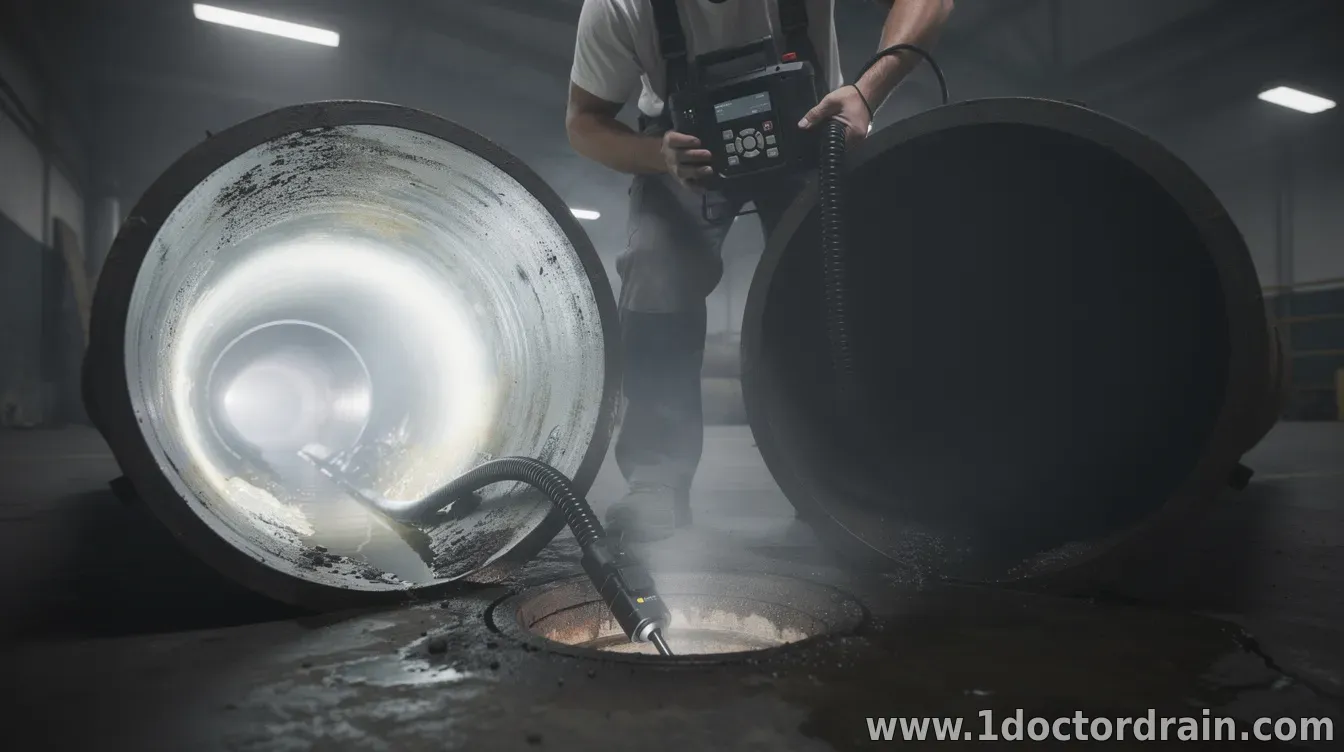
When Is Video Inspection Worth the Cost?


Video inspection is one of the few diagnostic tools that lets homeowners and building managers actually see what’s happening inside a sewer, storm drain, or plumbing line. But because it costs more than basic checks, the real question is: when does the footage change the decision enough to justify the price?


In practice, video inspection is most cost-effective when the issue is unclear, recurring, or expensive to guess. When you can’t reliably locate the obstruction, detect the type of damage, or predict whether a simple cleaning will fix the problem, the “cost of uncertainty” often becomes higher than the inspection itself.


Start with the scenarios where inspection usually pays off


Video inspection tends to be worth it when technicians need to determine the cause of blockages, leaks, or odor complaints—especially after basic troubleshooting. For example, if plunging, snak ... Read more »


Added: admin 06/08/2026 into the category «Drain cleaning serviсe» Views: 94 Commets: 0
More


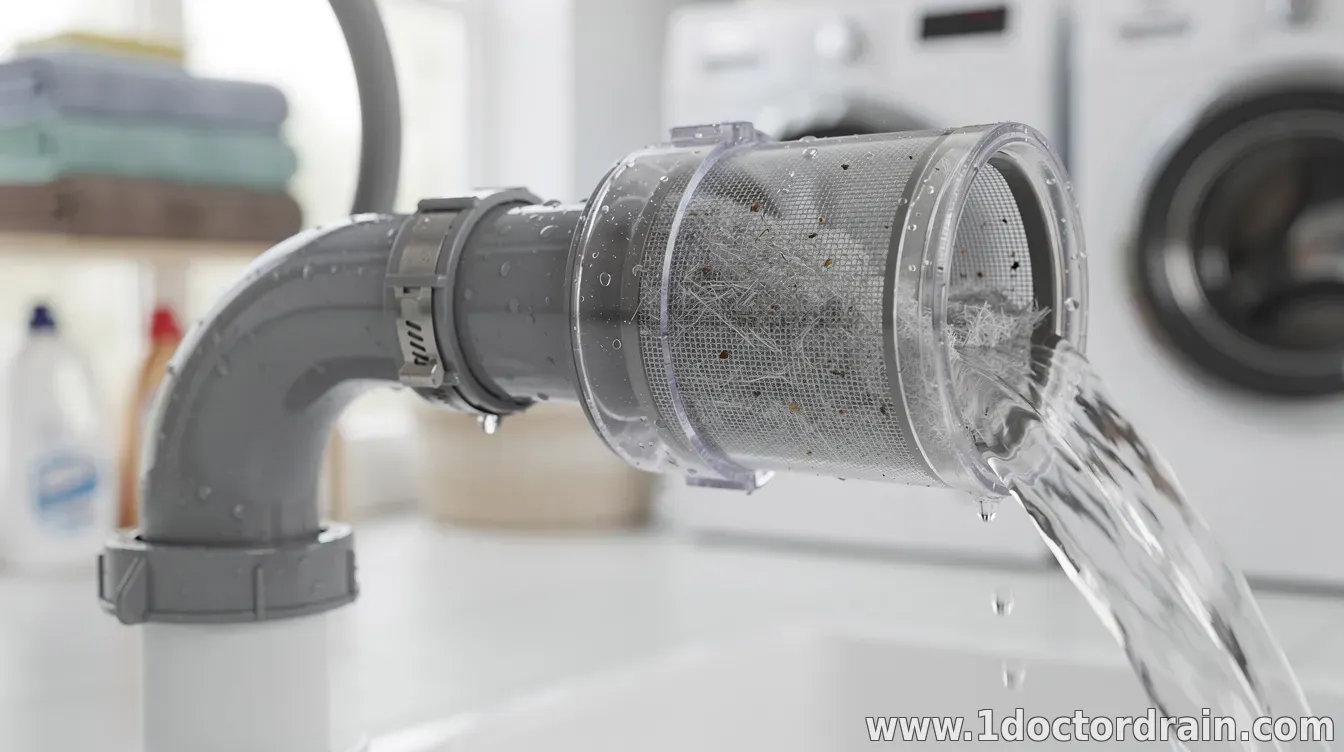
Snaking vs. Hydro Jetting: When to Use Each

Snaking vs. Hydro Jetting: When to Use Each


When a drain backs up, two common solutions come up quickly: drain snaking (also called cable or auger clearing) and hydro jetting. Both can restore flow, but they’re not interchangeable—each method performs best under different conditions.


Understanding how they work—and where their strengths and limits lie—can help you decide what to ask a plumber for and what to expect.


How drain snaking works


Snaking uses a rotating cable or auger inserted into the drain line. The tool breaks up common clogs such as hair, grease buildup, or compacted debris and then helps clear the pathway so water can pass.


Because it’s mechanical, snaking can be a good first step when the blockage is localized and not heavily coated along long sections of pipe.


Pros of snaking


Drain snaking tends to be faster for many “typical&rdqu ... Read more »


Added: admin 06/07/2026 into the category «Drain cleaning serviсe» Views: 92 Commets: 0
More


Signs Your Sump Pump Is Failing Before It Fails

Signs Your Sump Pump Is Failing Before It Fails


A sump pump is one of those home systems you hope you’ll never need—until it stops working at the worst possible time. The good news is that many sump pump problems show up gradually. If you know what to watch for, you can address issues before they escalate into a basement flooding event.


1) Water isn’t going down as fast as it used to


One of the most common early indicators is performance decline. If your basement water level seems to rise longer between pump cycles, or it takes noticeably more time for water to be cleared after heavy rain, the pump may be struggling. Causes can include a partially clogged intake, sediment buildup, or a failing motor.


2) The pump runs more often than normal


Frequent cycling can mean the pump is being asked to do more work than usual. If the pump turns on and off rapidly, or you hear it running far more than during past storms, chec ... Read more »


Added: admin 06/06/2026 into the category «Drain cleaning serviсe» Views: 99 Commets: 0
More


« 1 2 ... 5 6 7 8 9 ... 42 43 »