1:35 AM How to Unclog a Shower Drain Safely (Step-by-Step) | |
|
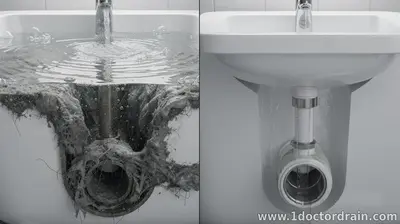
A clogged shower drain is one of the most common home plumbing problems. The good news is that many clogs are caused by hair and soap buildup and can be cleared with basic tools and a careful approach.
Before you start, turn off the water and take note of how the clog behaves. If water drains slowly but eventually clears, it’s often a partial blockage. If water backs up quickly or multiple fixtures are affected, the problem may be deeper in the drain line. Step 1: Remove standing water and inspect the drain
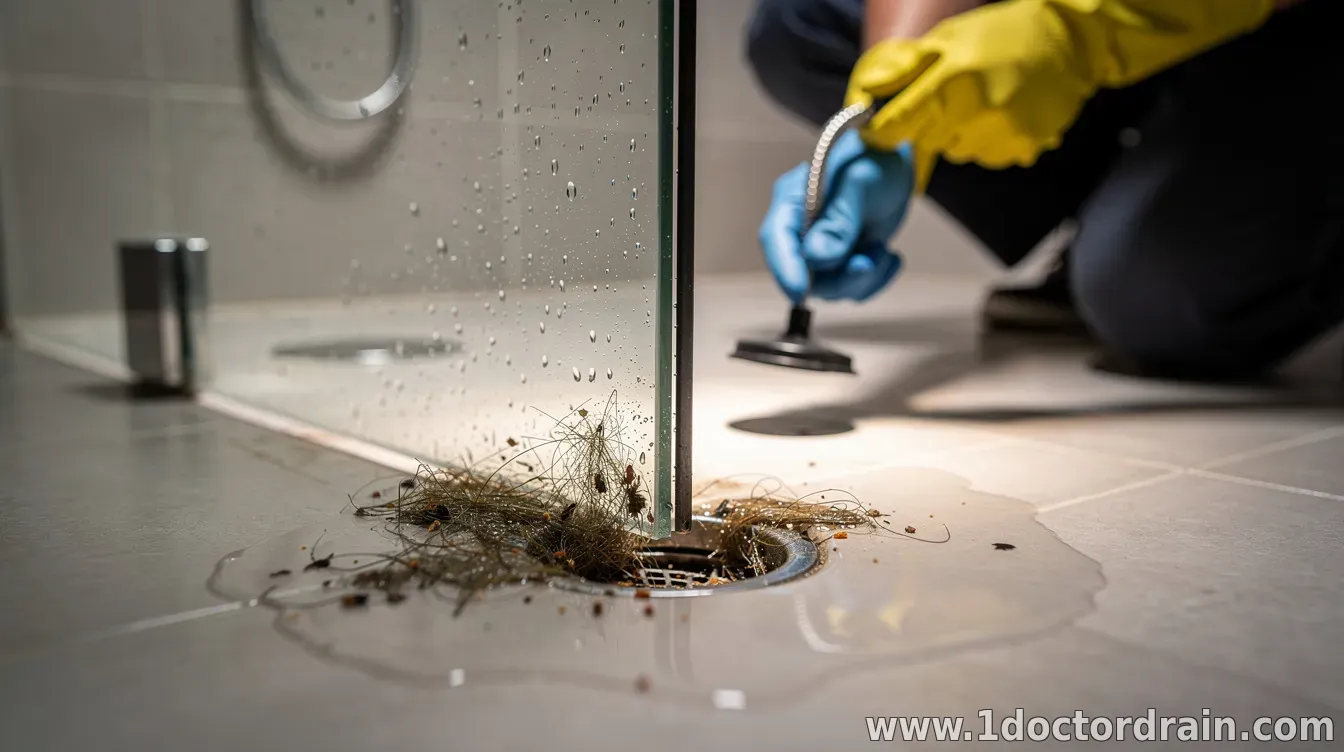
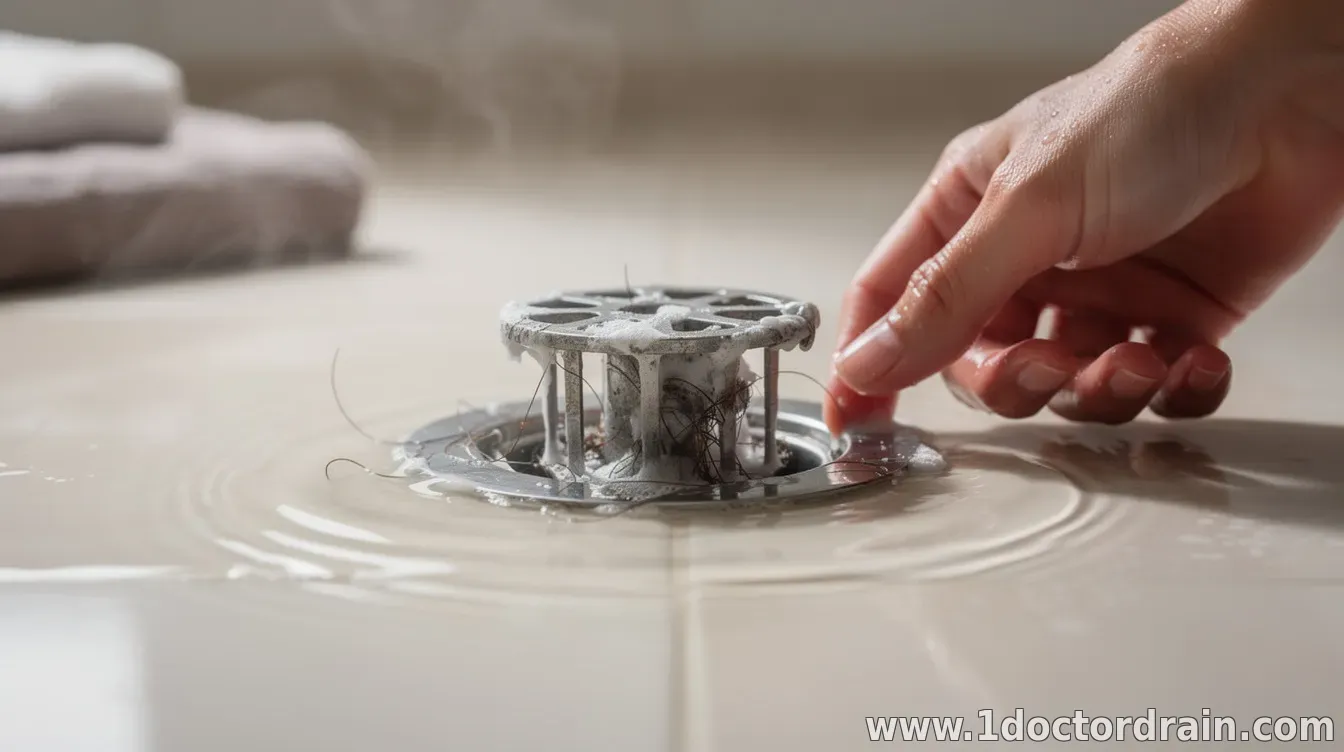
Use a cup or small container to remove standing water if the shower won’t fully drain. Then remove the drain cover or strainer (most are removable by hand or with a screwdriver). Pull out visible hair and debris with gloves and tweezers or needle-nose pliers.
If your drain has a removable hair trap (common with some shower models), clean that thoroughly. This step alone often solves the issue. Step 2: Try a plunger (for simple blockages)
If the clog isn’t cleared by removing the visible debris, try a plunger. Use a cup plunger and seal it over the drain so it can create suction. Push down and pull up with firm, repeated motions for 20–30 seconds, then check whether the water level drops.
Avoid using excessive force—if you don’t see any improvement after a few attempts, move to the next step. Step 3: Use a drain snake or auger
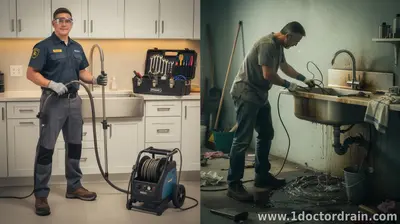
A drain snake is typically the most effective next option for shower clogs because hair tangles deeper than you can reach with tweezers. Feed the snake into the drain until you feel resistance, then rotate the cable to hook and break up the blockage. Pull the snake out slowly to remove the debris.
Repeat as needed, then run warm water to test drainage. If the clog loosens but doesn’t fully clear, you may need a second pass. Step 4: Clean residue with hot water and (optional) gentle enzymatic cleaner
After you’ve cleared the main blockage, flush the drain with hot (not boiling) water to wash away remaining soap scum. If you want extra help, consider an enzymatic drain cleaner, which works gradually on organic buildup and is generally safer for many pipes than harsh chemicals.
Follow the product instructions exactly. Don’t combine products—mixing cleaners can create hazardous fumes. When to avoid DIY and call a plumber
Stop and get professional help if you can’t clear the clog after a few attempts, if you notice foul odors that persist even after cleaning, or if multiple drains (bathroom sink, toilet, tub) are backing up. These signs can indicate a blockage farther down the line or a more serious obstruction.
Also call a plumber if the drain cover is damaged, you suspect a broken trap or pipe, or you’re dealing with recurring clogs that keep returning quickly. Catching the root cause early can prevent bigger repairs.
As you work, prioritize safety: wear gloves, avoid splashing, and keep the area ventilated if you use any cleaner. With the right order of operations—remove visible hair first, then use suction and mechanical clearing—you’ll resolve many shower clogs without damaging your plumbing.
| |
|
| |
CALL ☎ Subscribe 👆
Next & Previous posts
Related materials:
CONTACT US 📩
Submit the form, we'll contact you as soon as possible!