1:28 AM Sump Pump vs Sewage Ejector Pump: Key Differences | |
|
A sump pump and a sewage ejector pump can sound similar, but they serve distinct purposes. Homeowners typically choose the right unit based on whether they’re removing clean groundwater or dealing with wastewater that may include solids and sewage.
Choosing incorrectly—such as using a sump pump where a sewage-rated ejector is required—can lead to clogs, backups, odors, and premature equipment failure. What a sump pump is designed to handle
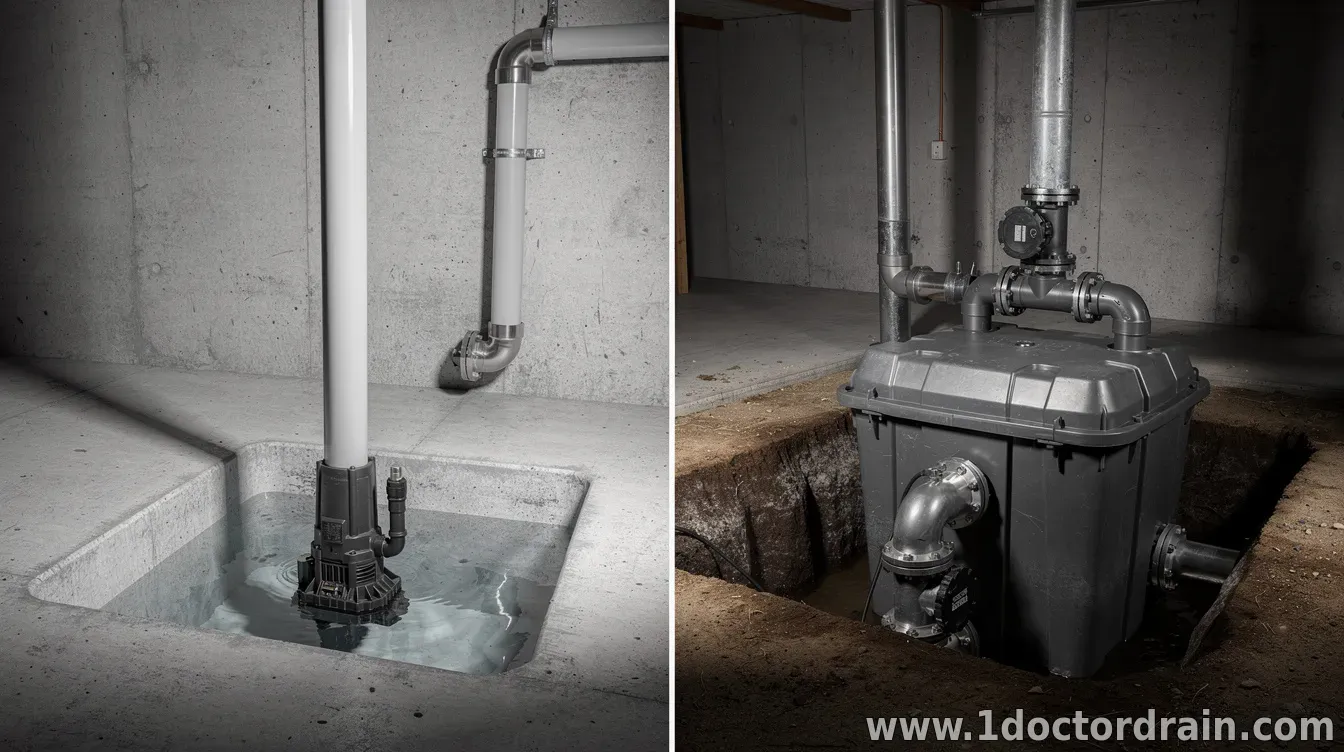
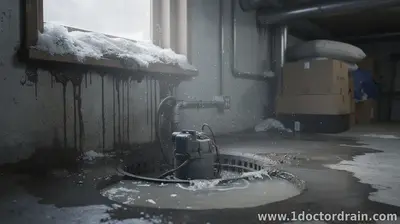
A sump pump is built to move groundwater and other “clean” or lightly contaminated liquids away from a home’s foundation. It’s commonly installed in a sump pit below the basement floor to reduce flooding risk during heavy rain, snowmelt, or high water tables.
Typical applications include damp basements, water seepage, and drain tile systems. Because the liquid is usually free of solid waste, sump pumps are not rated to handle raw sewage or high-solid effluent. What a sewage ejector pump is designed to handle
A sewage ejector pump (sometimes called a sewage grinder pump in certain setups) is intended for wastewater that may contain human waste and toilet/urinal effluent, depending on local plumbing design and the specific unit’s rating. These pumps are engineered to handle solids and maintain reliable operation even when waste content is present.
They’re often used when bathrooms or laundry drains must discharge to a lower-elevation sewer line, or when municipal sewage sits above the basement’s plumbing outlets. In such cases, an ejector system “lifts” wastewater upward to the proper discharge point. How they differ in design and operation
While both devices move water, sewage ejector pumps generally include components that are better suited for tougher waste conditions—such as stronger motor protection, specialized impellers, and more robust internal pathways to reduce clogging risk.
Many ejector systems also incorporate alarm features and check valves designed to protect against backflow and alert homeowners to pump problems. Installation requirements can also differ, since sewage systems must comply with plumbing codes for venting, discharge piping, and safety. Quick rule of thumb for homeowners
If you’re dealing with groundwater from a basement sump pit or drain tile, a sump pump is typically the correct choice. If wastewater from toilets, sewage-laden drains, or basement plumbing needs to be lifted—especially when solids are involved—a sewage ejector pump is usually required.
Because ratings vary by manufacturer and local codes, homeowners should confirm the specific liquid type and pipe-routing requirements with a licensed plumber before replacing or installing a pump.
If you’re unsure which system you have—or what it’s rated to handle—look for pump labels/spec sheets, check your plumbing plan, and consider a professional inspection. The right match protects your home from backups and reduces the risk of unexpected failures during heavy usage or storms.
| |
|
| |
CALL ☎ Subscribe 👆
Next & Previous posts
Related materials:
CONTACT US 📩
Submit the form, we'll contact you as soon as possible!