1:19 AM Drain Repair vs. Full Replacement: How We Decide | |
|
When a drain starts backing up, smelling, or draining slowly, homeowners usually face a hard question: should they repair the affected section or replace the entire line? The best answer isn’t one-size-fits-all—it’s based on what’s happening inside the pipe and how far the problem has spread.
At our outlet, we make the decision using a simple principle: fix what’s truly salvageable, and replace what’s likely to fail sooner. That approach balances immediate performance, total cost, and the inconvenience of the work. 1) What inspection shows (and how deep the damage goes)
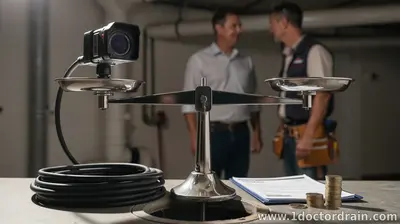
Most decisions start with diagnostic inspection, typically using video to assess the interior of the drain. If the issue is localized—such as a broken section, a focused collapse, or a specific root intrusion—repair is often the most efficient path. But if the inspection reveals widespread deterioration, multiple failures, or extensive corrosion along significant runs, full replacement becomes the safer long-term choice. 2) Repair vs. replacement: durability and recurrence risk
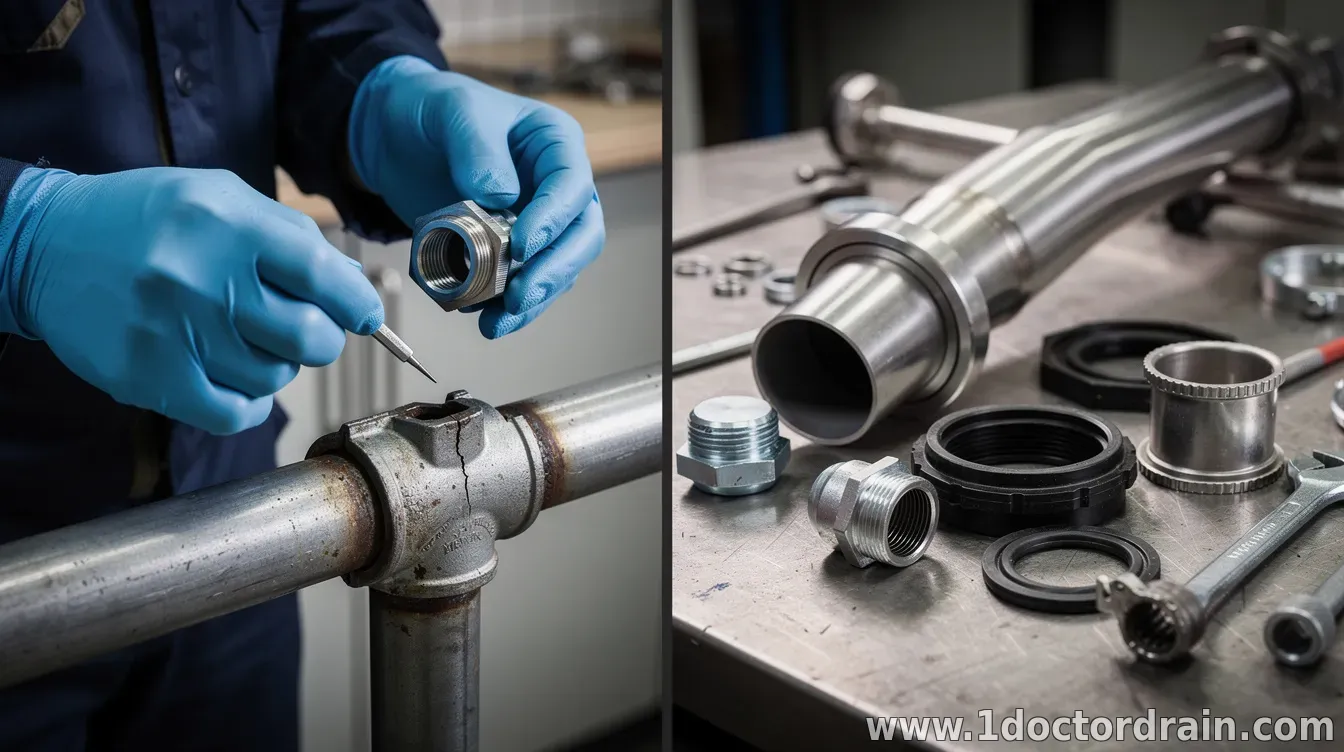
Even when repair can restore drainage quickly, we weigh how likely the problem is to return. Repairs tend to be favored when damage is isolated and the surrounding pipe remains structurally sound. Replacement is usually recommended when there’s a pattern of recurring backups, repeated spot fixes, or signs of progressive failure—situations where patching today can mean redoing tomorrow. 3) Cost is more than the invoice
We compare the short-term and long-term cost impacts. A repair may have a lower upfront price, but if it addresses only part of the issue, the household could face additional labor, repeat callouts, and faster follow-up work. Conversely, while full replacement may be more expensive initially, it can reduce future disruptions and provide a clearer service life outlook. 4) Access, disruption, and timing
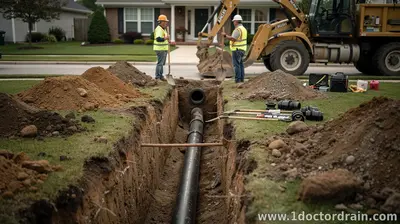
Sometimes the deciding factor is practical: how the line is routed, what’s accessible from the outside, and what demolition or restoration would be required. If a drain replacement would require extensive excavation through finished landscaping or interior finishes, we may prioritize repair when it’s technically appropriate. When access is manageable and the replacement will eliminate multiple failing areas, full replacement often becomes the most straightforward option.
We also consider the timeline. Repairs can sometimes be completed faster, which matters if a home needs urgent drainage relief. However, if the underlying condition suggests imminent failure, delaying replacement can increase the chance of more severe backups and additional damage.
Ultimately, our goal is to provide a recommendation you can trust—rooted in inspection evidence, supported by realistic cost and disruption estimates, and framed around the long-term performance of your drainage system.
If you’re dealing with recurring drainage problems, the most helpful next step is an inspection that documents the location and extent of damage. With that information, we can explain whether repair is likely to hold up—or whether replacement will deliver the durability you need.
| |
|
| |
CALL ☎ Subscribe 👆
Next & Previous posts
Related materials:
CONTACT US 📩
Submit the form, we'll contact you as soon as possible!