0:57 AM Holiday Kitchen Cleanup: How to Protect Your Drain | |
|
Holiday meals bring heavier foot traffic in the kitchen—and that often means heavier strain on the sink and drain system. When grease, food scraps, and starchy residue build up, drains can slow down, stink, and eventually clog. The good news: a few targeted steps during the holiday season can dramatically reduce the risk of backups. Start with prevention: catch what can’t go down
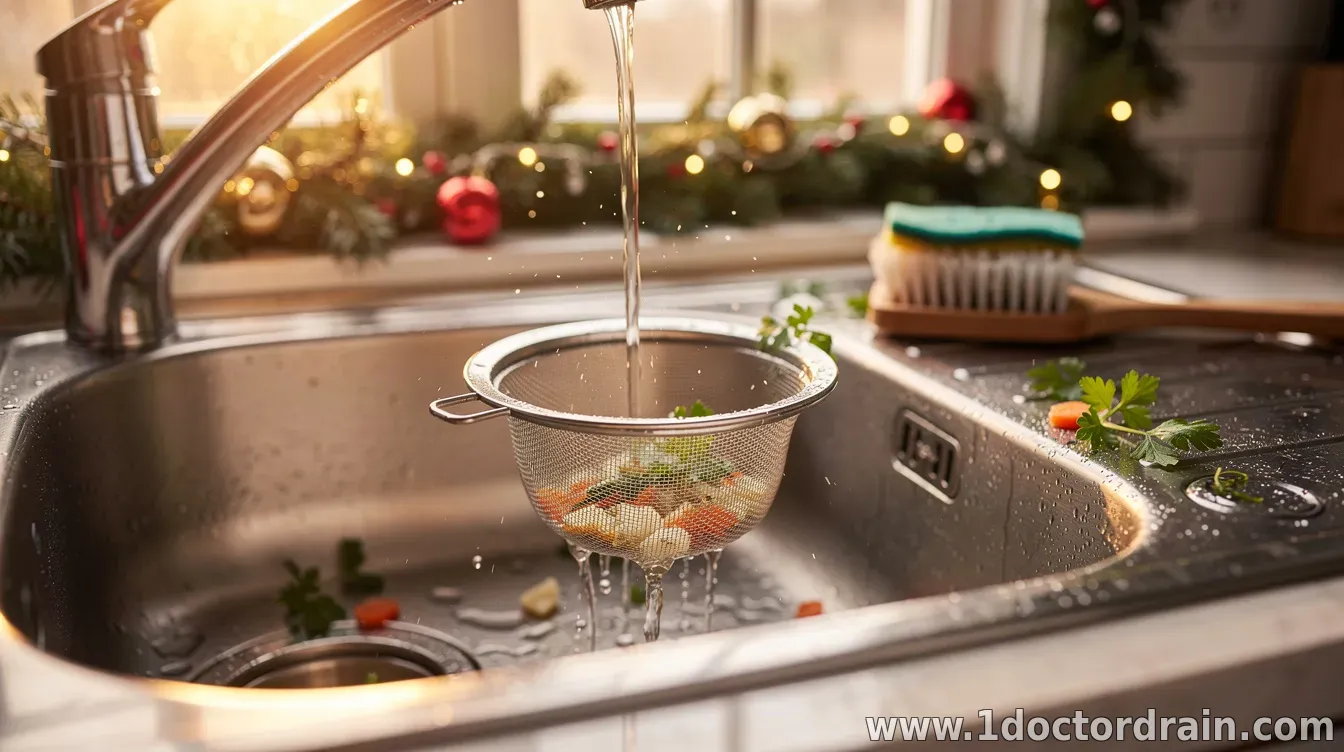
Food particles are the most common cause of sink clogs. Use a drain strainer to capture scraps from plates and cookware before they reach the drain. For best results, empty the strainer regularly—especially during busy cooking windows—so trapped debris doesn’t turn into a sludge.
For grease-related problems, avoid pouring cooking fats, butter, or pan drippings directly into the sink. Even if they’re liquid right after cooking, grease cools quickly and can coat pipe walls, narrowing the flow over time. Handle grease safely: collect, store, and dispose
During high-volume cooking, set up a simple grease-management routine. Keep a heat-safe container near the stove for collecting used cooking oil and fat. Once the container is full (and contents have cooled), dispose of it according to local guidance—often through household waste programs or approved recycling options.
If you do need to clear small residue from cookware, wipe pans with paper towels first. Then wash with hot, soapy water rather than relying on the drain to “take care of it.” This reduces the amount of oily film entering the plumbing. After meals: flush properly and avoid risky shortcuts
After big cooking sessions, a brief “maintenance flush” can help keep residue from settling. Run hot water for a short period after draining pots and pans—especially if you handled pasta, rice, or potatoes, which release starchy material that can contribute to buildup.
Be cautious with drain chemicals. Harsh products can be ineffective on certain clogs and may damage pipes or create unsafe reaction risks if combined with other cleaners. If you’re troubleshooting a slow drain, start with mechanical steps (like removing and cleaning the strainer) and safer flushing methods before considering strong chemical treatments. Quick troubleshooting: what to do when the drain slows
Even with good habits, holiday systems can get overwhelmed. If you notice slow drainage, address it early rather than waiting for a full backup. First, check the drain strainer and clear any captured debris. Then flush with hot water to see if flow improves.
If the drain still doesn’t clear, consider using a plumber’s helper tool (such as a drain snake) to remove blockages at the accessible portion of the line. Avoid repeated “overconfidence flushing,” which can force debris deeper and make clogs harder to remove.
With consistent prevention—strainers, grease collection, and mindful rinsing—you can keep holiday cleanup from turning into an end-of-season plumbing emergency. Small adjustments in the days leading up to and during gatherings can protect your kitchen’s busiest connection: the drain.
| |
|
| |
CALL ☎ Subscribe 👆
Next & Previous posts
CONTACT US 📩
Submit the form, we'll contact you as soon as possible!