1:14 AM Why Water Pressure Testing Matters After Video Inspection | |
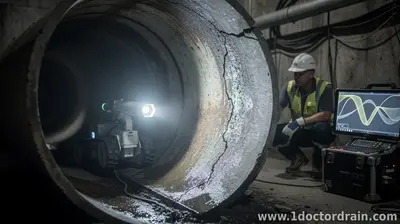
Video inspection is often the first step in diagnosing pipe problems: cameras highlight cracks, corrosion, root intrusion, blockages, and joint damage. However, seeing an issue doesn’t always prove how much it’s affecting your system—or whether it will continue to fail under real operating conditions. That’s where water pressure testing becomes essential.
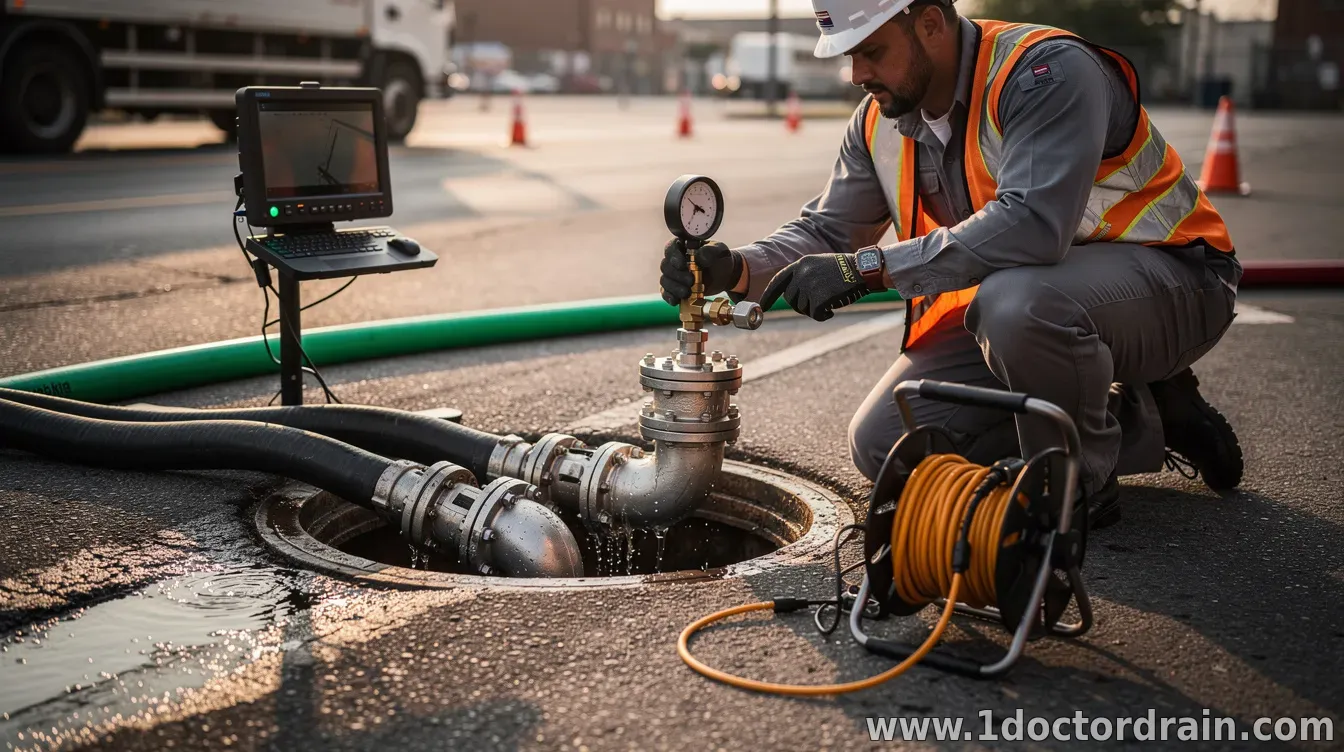
Pressure testing evaluates a pipe’s ability to maintain a specified pressure over time. By measuring how quickly pressure drops, contractors can estimate leakage and confirm whether the line is performing as expected after remediation. In other words, it turns visual findings into measurable, defensible results. 1) Video shows the condition; pressure testing confirms the impact
Camera footage can identify defects, but it can’t directly quantify whether those defects allow water to escape (or stop intrusion from the outside). Pressure testing bridges that gap by demonstrating whether the pipe is sealed and stable under pressure—conditions that closely resemble how the line operates in the field. 2) It helps catch hidden leaks and borderline defects
Some issues may not be obvious on camera, such as micro-cracks, partially closed joints, or small gaps that only become problematic when the system is pressurized. A pressure test can reveal weaknesses that don’t stand out visually, helping teams avoid “repairs” that look correct but fail under real loads.
For building owners and facility managers, this reduces the risk of repeat failures—such as recurring dampness, sinkholes, persistent odors from sewer infiltration, or unexpected maintenance calls. 3) It provides a quality check for repairs and rehabilitation
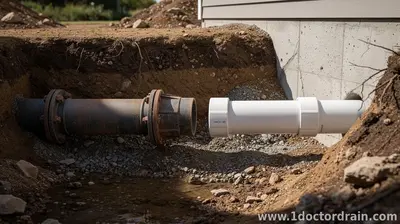
After cleaning, patching, relining, or pipe replacement, pressure testing acts as a verification step. If pressure drops beyond acceptable limits, that result can indicate incomplete sealing, installation problems, or the need for further targeted work. Conversely, a stable pressure profile can support confidence that the repair met performance requirements.
This is especially important when multiple trades are involved or when documentation is needed for compliance, insurance, or customer assurance. 4) It supports safer decision-making and better documentation
Not all pipe defects require immediate repair, and not all repairs perform equally. By combining video inspection findings with pressure test data, teams can prioritize actions based on actual risk rather than appearance alone. The result is more accurate scope decisions—less guesswork, fewer unnecessary interventions, and a clearer record of what was found and what was proven.
Additionally, pressure testing can help identify whether a system problem is localized (in a specific segment) or systemic (related to broader network constraints), improving how crews plan follow-up investigations.
Ultimately, video inspection and water pressure testing answer different questions. Video shows what’s there; pressure testing shows how the line behaves. When used together, they provide a more complete diagnostic picture and a stronger foundation for repair quality.
If you’re managing pipe issues—whether for residential plumbing, commercial drainage, or municipal infrastructure—ask whether a pressure test will be performed after the inspection and any subsequent repair. It’s a practical step that can prevent future downtime, reduce rework, and confirm that the problem is truly resolved.
| |
|
| |
CALL ☎ Subscribe 👆
Next & Previous posts
Related materials:
CONTACT US 📩
Submit the form, we'll contact you as soon as possible!