
1:55 AM Fallen Leaves and Storm Drains: How to Prevent Yard Flooding | |
|
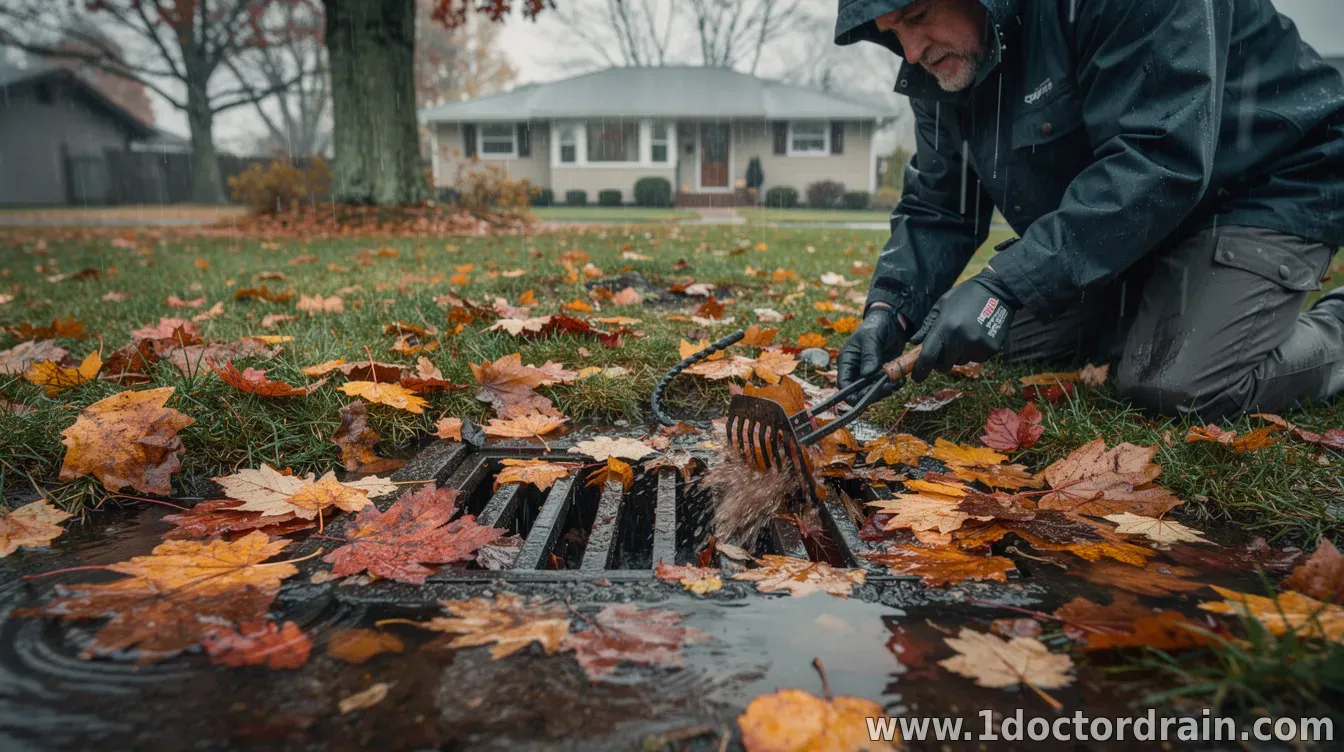
Autumn showers plus a blanket of fallen leaves can clog storm drains and overwhelm yard drainage. Left unmanaged, water can flood lawns, undermine foundations, and create slippery hazards. Understanding the connection between leaf litter and drainage helps homeowners act quickly and effectively.
Key causes: Debris blocks gutters, culverts, and perforated drainpipes. Saturated soil holds more water, increasing runoff toward low spots. Clogged grates and catch basins can back up, forcing water to pool on the surface.
Preventive steps:
1) Regularly clear leaves from roofs, gutters, and downspouts. Ensure downspouts drain at least 3–4 meters away from the foundation.
2) Create surface drainage paths. Grade gardens away from the house, and install a shallow swale or French drain to guide water to a safe outlet.
3) Maintain drainage infrastructure. Inspect storm drains, catch basins, and grate covers before the rainy season; replace missing covers and seal gaps to prevent debris entry.
4) Use leaf management tools. Mulch leaves in flower beds or compost; avoid piling leaves in low-lying areas where water tends to collect.
5) Consider hardscape adjustments. If persistent flooding occurs, explore permeable pavers or gravel pathways that increase infiltration around high-traffic zones.
When to seek professional help: If standing water persists after heavy rain, if you notice soil erosion near the foundation, or if basement flooding recurs, consult a landscape or drainage contractor to assess grading, sump pump needs, or potential French drain installation.
In short, a proactive leaf-clearing routine combined with smart drainage design can dramatically reduce yard flooding and protect outdoor spaces from seasonal downpours.
| |
|
| |
CALL ☎ Subscribe 👆
Next & Previous posts
Related materials:



CONTACT US 📩
Submit the form, we'll contact you as soon as possible!