1:08 AM How Property Managers Can Budget for Annual Drain Maintenance | |
|
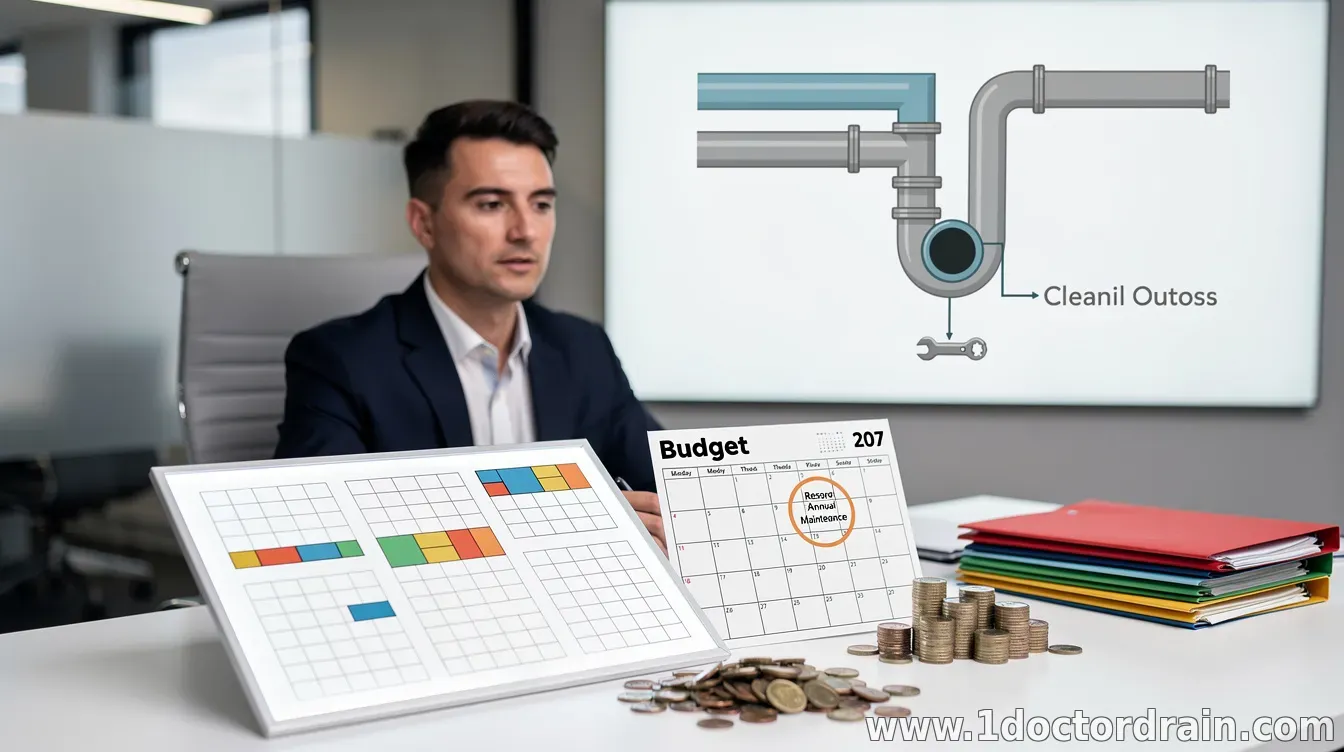
Property managers increasingly recognize that drains and sewer lines are “out of sight, out of mind” only until they fail. Annual drain maintenance—typically a mix of inspection and cleaning—reduces the risk of blockages, slow drains, and the disruptive (and expensive) work that follows.
But budgeting for maintenance isn’t just about choosing a vendor. To avoid surprises, managers need a consistent method for estimating scope, standardizing work orders, and building contingency reserves based on the property’s condition and usage. Start with a property-specific maintenance baseline
One-size-fits-all budgets usually break down when properties vary widely by age, materials, floor plan complexity, and resident behavior. Build your annual budget from a baseline that reflects site conditions such as building age, known recurring issues, tenant turnover, and any past inspection or repair history.
For example, older buildings with aging piping may need more frequent cleanings or higher-resolution camera inspections. Higher-occupancy sites (multi-family, mixed-use, or buildings with common-area kitchens) may also generate debris and grease load that accelerates buildup. Define the annual scope before requesting quotes
When property managers approach vendors with unclear expectations, bids tend to be either inflated or incomplete. Instead, define what “annual drain maintenance” includes for your property—usually:
Clarify which areas are in scope (main lines vs. unit laterals, common-area drains, roof drains, stormwater tie-ins, or grease traps). If your building has multiple drain systems, separate them in your budget so costs align with each system’s risk level. Use risk tiers to forecast higher-cost years
Even with consistent yearly service, not every year should cost the same. Create a simple risk tier model to adjust forecasts based on likelihood and consequence. Higher tiers might trigger more extensive inspections, more aggressive cleaning schedules, or early remediation planning.
Consider escalating the budget when you spot patterns such as recurring clogs in the same locations, repeated odor complaints, slow-drain reports after routine events, or any visible deterioration noted in prior camera footage. Plan for documentation, compliance, and change orders
A reliable vendor should provide records that support future budgeting and decision-making. Include line items for inspection reports, photographic/video documentation, and any required compliance documentation your organization or local jurisdiction expects.
Also budget for change orders. Discoveries during cleaning—such as root intrusion, collapsed sections, or unexpected obstructions—can require additional labor. A contingency helps prevent delays when urgent remedial work is recommended. Build a contingency reserve and a “known-unknowns” line
For annual maintenance budgets, many managers add a percentage reserve rather than leaving the entire amount “locked” to the initial bid. The exact percentage depends on property history, but the logic is consistent: repairs are sometimes uncovered mid-job, and emergency responses can add premium pricing.
Common ways to reflect known-unknowns include:
This approach protects your annual plan from being derailed by one surprise discovery. Coordinate with residents and operations to reduce downtime costs
Drain work can require temporary access to plumbing areas, limited usage of fixtures, or coordination with maintenance staff. Budget not only for contractor fees but also for operational impacts—such as scheduling around occupancy, communication time, and any restoration needed after access activities.
Proactive communication can reduce resident complaints and expedite approvals. When residents know what to expect, fewer units call the office during the service window, and the project runs with fewer interruptions. Measure outcomes and refine the next year’s budget
After each annual cycle, review results: were blockages reduced, did emergency call-outs drop, and did the documentation help identify recurring risk zones? Track the number and type of drain-related service requests over time, then use that data to refine next year’s scope and vendor quotes.
Over multiple cycles, this becomes a feedback loop—your budget improves as your property’s risk profile and maintenance needs become clearer.
Annual drain maintenance is ultimately a risk-management strategy. When property managers set a baseline, define scope clearly, tier risk, plan for documentation and contingency, and learn from results, they can budget more accurately—and avoid the high-cost interruptions that occur when drains are left until failure.
| |
|
| |
CALL ☎ Subscribe 👆
Next & Previous posts
Related materials:

CONTACT US 📩
Submit the form, we'll contact you as soon as possible!