3:54 AM How Sewer Camera Inspections Assess Corrosion Damage | |
|
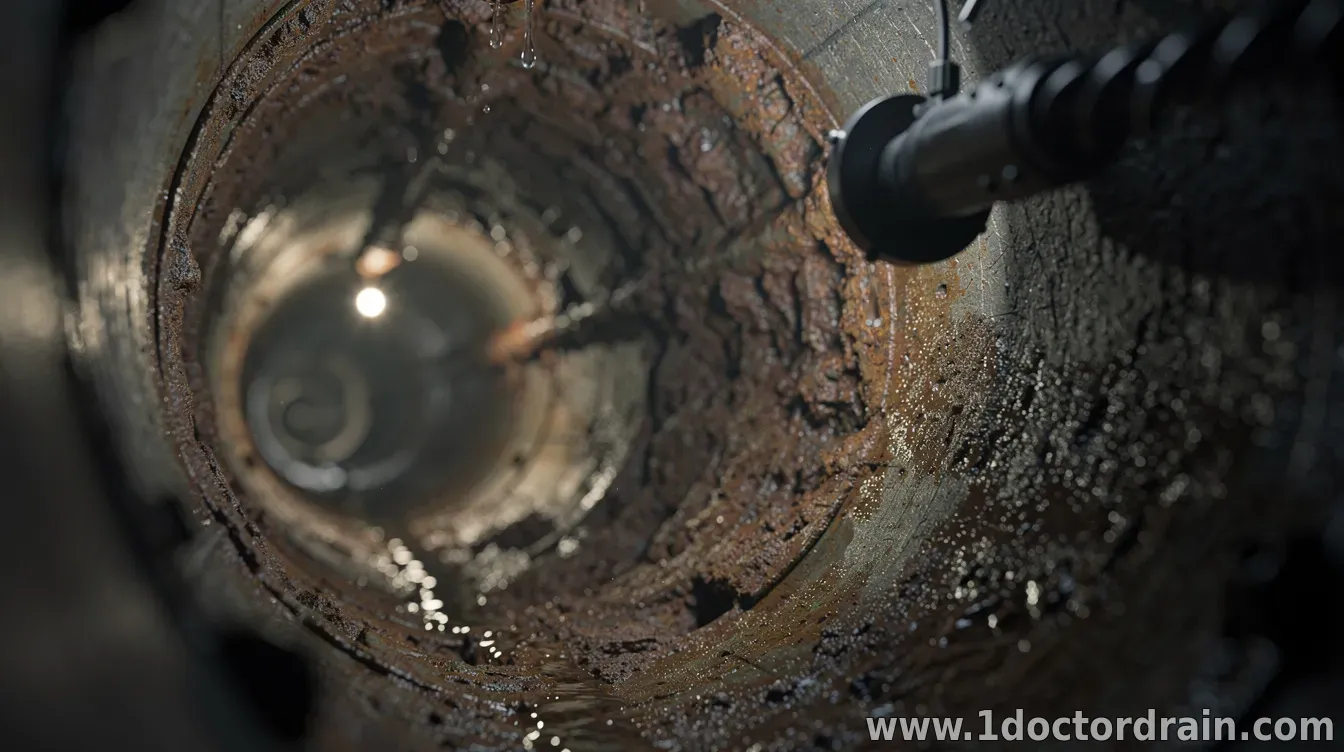
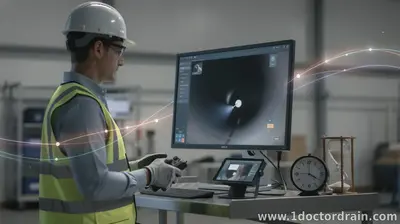
Professional testing of sewer lines often centers on camera inspection, a method used to visually evaluate a pipe’s interior condition and determine the extent of corrosion. By sending a remotely operated crawler through the line, inspectors can document what’s happening inside the pipe—where corrosion has formed, how severe it is, and whether other issues are present.
Camera inspections are typically chosen because corrosion damage can be difficult to assess from the surface. Cracks, thinning pipe walls, scale buildup, and buildup of debris can accelerate failure, and their locations may not be predictable without direct inspection. What inspectors look for during camera testing
During a sewer line camera run, technicians review live footage and recorded data to identify corrosion indicators and other contributing problems. Common observations include discolored surfaces, pitting, spalling, and joint deterioration—details that help explain how and why the pipe is degrading.
Inspectors also note the condition of pipe joints, changes in slope or alignment, and signs of blockages that may worsen corrosion by trapping wastewater solids. The goal is to produce a clear picture of both the corrosion “where” and the corrosion “how much.” How corrosion extent is determined
Camera footage is assessed for severity across the length of the line. Technicians typically segment findings by location and defect type, estimating the impacted runs and highlighting whether corrosion appears localized or widespread. This enables property owners, facility managers, and contractors to make decisions based on evidence rather than assumptions.
In many cases, the inspection results support a repair strategy selection—such as targeted rehabilitation for limited damage or broader solutions if the footage shows extensive deterioration across multiple sections. Why this approach reduces uncertainty
Compared with methods that rely only on external signs, camera inspection provides direct visual documentation. It can also help clarify whether the primary issue is corrosion itself or related problems such as infiltration at joints, recurring debris buildup, or structural misalignment.
Because the findings are recorded, inspections can be shared with decision-makers and used to track changes over time. That documentation can be especially valuable when prioritizing maintenance budgets or managing compliance for municipal or commercial systems.
For facilities planning next steps, the most useful outputs usually include a clear description of observed defects, their approximate locations, and recommendations tied to the observed severity. From there, teams can move toward repairs, rehabilitation, or further diagnostics based on a documented understanding of the pipe’s condition.
| |
|
| |
CALL ☎ Subscribe 👆
Next & Previous posts
Related materials:
CONTACT US 📩
Submit the form, we'll contact you as soon as possible!