3:30 AM Garbage Disposal Clogs: Causes and Prevention Tips | |
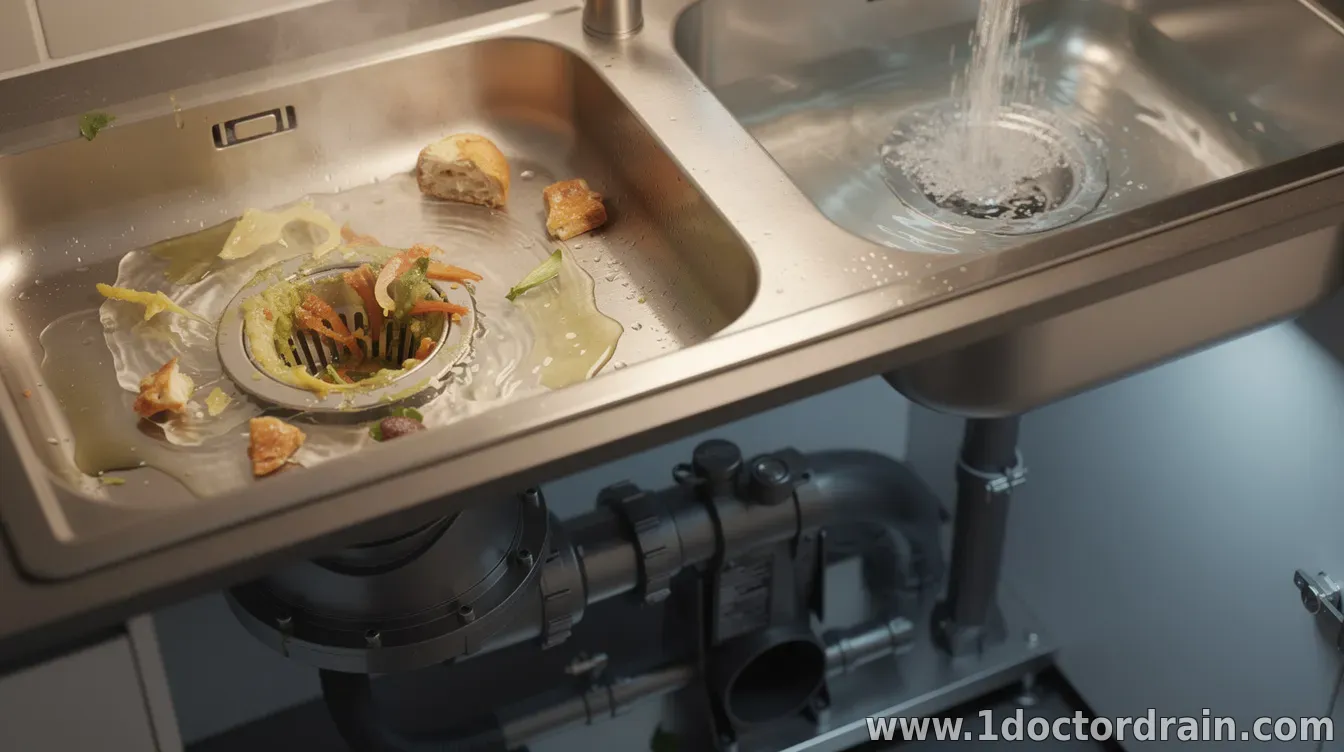
Garbage disposals are built to handle small food waste, but clogs and repeat backups are a common complaint. Most problems don’t come from a single “broken” part—they’re usually the result of what goes in, how it’s processed, and whether maintenance habits reduce buildup over time.
When a disposal clogs, it can cause slow draining, unpleasant odors, standing water, or gurgling sounds as the sink drains. Addressing the root cause is key, because the same conditions that created the first backup often lead to the next one if they aren’t changed. Common causes of garbage disposal clogs
Grease and oils are among the most frequent culprits. As they cool, they solidify inside drain lines and disposal components, trapping other food particles and forming a sticky mass that restricts flow.
Fibrous and starchy foods can also build up. Items such as celery, corn husks, onion skins, potato peelings, and certain cooked starch-heavy scraps may not break down the way people expect, leading to jams that restrict movement.
Another cause is overloading the disposal with too much waste at once. If large volumes are fed rapidly, the unit may struggle to grind everything thoroughly, leaving chunks that accumulate and contribute to blockages.
Finally, “non-food” debris or accidental contaminants—like paper, stringy packaging material, or excessive hair and lint from nearby cleaning—can catch in the disposal and start a cycle of partial clogs that later turn into full backups. How to prevent repeat backups
The most effective prevention steps focus on smarter disposal habits and routine maintenance. A few changes can reduce residue buildup and keep water flowing through the system.
If you’re dealing with an odor that returns quickly or clogs that keep recurring, it’s worth reviewing your routine rather than only treating symptoms. Small changes—like cutting back on greasy scraps and maintaining steady water flow—often address the conditions that make backups repeat.
In some cases, recurring issues may indicate a deeper problem such as a damaged impeller, a drainage issue beyond the disposal, or a clog in the plumbing line. If the sink backs up repeatedly despite improved habits, the next step is to inspect the drain connection and consider professional service.
For homeowners, the goal is simple: reduce what the disposal has to grind and ensure material is flushed through efficiently. With consistent use and a few preventive measures, garbage disposals can stay dependable and avoid the frustration of repeat backups.
| |
|
| |
CALL ☎ Subscribe 👆
Next & Previous posts
Related materials:
CONTACT US 📩
Submit the form, we'll contact you as soon as possible!