1:29 AM How Video Inspection Technology Has Changed Drain Diagnosis | |
For decades, diagnosing problems in drains relied heavily on symptoms, chance, and partial measurements—often leading to invasive inspections or repeated visits. Today, video inspection technology has shifted drain diagnosis from guesswork to direct observation, allowing teams to identify defects inside pipes with far greater accuracy.
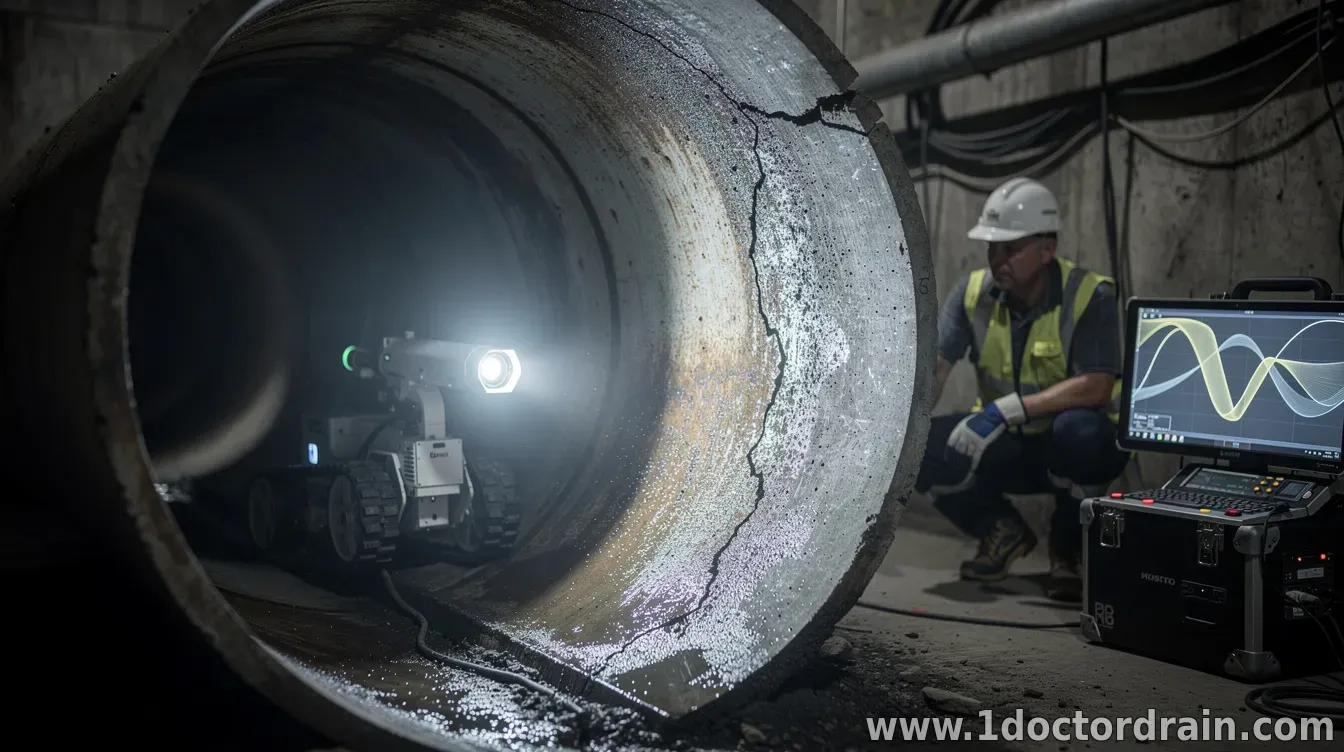
At the core of this change is a small camera system attached to a flexible cable or crawler. As it travels through the pipe, the system transmits real-time footage, helping professionals pinpoint the location and nature of clogs, cracks, corrosion, root intrusion, and joint failures. From “trial and error” to direct evidence
Traditional approaches may indicate that something is wrong, but they often struggle to show what is wrong and where it is. Video inspection closes that gap. By capturing images and measurements along the pipe’s interior, contractors can document issues for the customer and for internal records—reducing uncertainty during repair planning.
This evidence-based workflow is especially valuable for complex cases, including recurring backups, suspected collapses, or multi-stage blockages where multiple faults may coexist. Faster troubleshooting and better triage
Because the camera provides immediate visual confirmation, professionals can make quicker decisions about next steps. Instead of opening up multiple sections of piping to “find the problem,” teams can assess the footage and determine whether the issue is localized—such as a single blockage—or systemic—such as widespread degradation.
In practical terms, that can mean shorter time on site, fewer return trips, and quicker resolution for homeowners, property managers, and commercial operators. More targeted repairs and less disruption
Video inspection doesn’t just detect problems—it helps select the right repair method. When the condition and extent of damage are visible, contractors can choose between options such as targeted cleaning, pipe lining, replacement of specific sections, or sealing of joints.
This precision can limit unnecessary excavation. For properties where minimizing disruption is critical—occupied residential buildings, hospitals, schools, and retail spaces—reducing open-cut work can be a major operational advantage. Stronger documentation for maintenance and compliance
In many jurisdictions and facilities, inspections must be tracked over time. Video inspection creates a visual record that can be referenced during future maintenance planning. That historical documentation helps teams compare changes in pipe condition, monitor recurring issues, and justify capital improvements.
For commercial property owners and municipalities, the ability to demonstrate what was found—and when—can improve transparency and support lifecycle planning for sewer and drainage infrastructure. What this means for customers
For customers, the biggest benefit is clarity. A video inspection typically reduces uncertainty around the cause of the problem, the likely repair scope, and expected outcomes. Rather than relying on broad estimates, stakeholders can review findings directly and align on a repair approach supported by observed conditions inside the pipe.
While every situation is unique, the technology’s impact is consistent: better diagnosis, fewer unnecessary steps, and more efficient repairs.
As camera systems become more advanced—improving resolution, measurement capabilities, and workflow integration—video inspection is likely to remain central to how drainage professionals assess, document, and remediate pipe problems.
| |
|
| |
CALL ☎ Subscribe 👆
Next & Previous posts
Related materials:
CONTACT US 📩
Submit the form, we'll contact you as soon as possible!