2:34 AM What NOT to Flush: A Realistic List Beyond Toilet Paper | |
Toilets are built for human waste and toilet paper—but many households accidentally treat the plumbing like an all-purpose trash can. The result is frequent clogs, foul odors, and expensive repairs for both homeowners and municipal sewer systems.
While “don’t flush anything except toilet paper” is good advice, the real-world list is broader. Below are items people commonly flush (or try to) that should instead go in the trash or follow specific disposal rules. 1) Flushing wipes (even “flushable” ones)
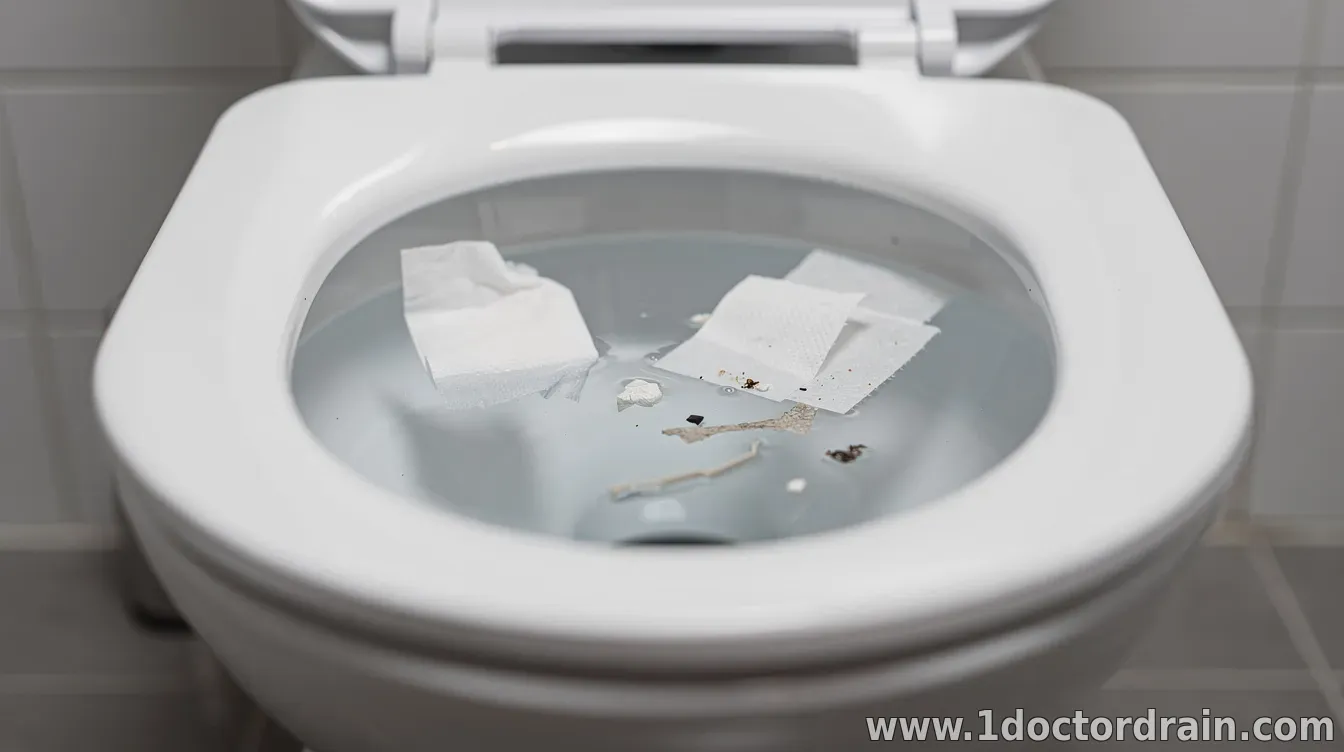
Wet wipes, baby wipes, disinfecting wipes, and similar “flushable” products often don’t break down the way toilet paper does. They can snag in pipes, accumulate in sewer lines, and contribute to “fatbergs” and blockages at treatment facilities.
Do this instead: Put wipes in a waste bin. If they’re heavily soiled, seal them in a bag before discarding. 2) Sanitary products
Items such as tampons, pads, menstrual cups, liners, and applicators are not meant for sewer systems. Even when products claim flushability, they can cause persistent blockages and maintenance problems downstream.
Do this instead: Follow the product’s disposal instructions, generally using a trash can with secure wrapping. 3) Paper towels and tissues
Paper towels, facial tissues, and thick paper products may appear like “paper” but typically break down differently than toilet paper. Large amounts can form obstructions, especially in older plumbing.
Do this instead: Keep these for sinks and trash—particularly after spills and household cleanup. 4) Food scraps and grease
Food waste doesn’t belong in toilets. Grease, oils, and cooking fats can solidify inside pipes, shrinking flow and increasing the likelihood of backups.
Do this instead: Scrape plates into a compost bin (if available) and dispose of grease in a sealed container according to local rules. 5) Cat litter and pet waste
Cat litter (including “flushable” clays) and animal waste can create serious sanitation and clogging issues. Litter can clump unpredictably, while solid waste and debris can build up in sewer lines.
Do this instead: Bag it and dispose of it with regular trash (or follow your local pet-waste guidance). 6) Dental floss and similar strings
Floss and other string-like materials can tangle and trap other debris inside plumbing, leading to slow drains and stoppages.
Do this instead: Waste it in the trash—especially when combined with other bathroom clutter. 7) “Degradable” or specialty materials
Examples include biodegradable plastics, disposable razors, wipes marketed for specific uses, and any “treatments” that aren’t explicitly designed for toilet systems. The term “degradable” doesn’t always match how sewage infrastructure breaks down materials.
Do this instead: Treat anything beyond toilet paper as non-flushable unless the manufacturer clearly states it is engineered for sewer use—and even then, verify local guidance. Quick rule of thumb
If you wouldn’t expect the item to dissolve like toilet paper in water—and in the moving conditions of household pipes—assume it shouldn’t be flushed. When in doubt, the safest choice is the trash.
Bottom line: Keep toilet flushing simple: human waste plus toilet paper. The small habit changes—like binning wipes and sanitary products—can prevent major plumbing emergencies.
| |
|
| |
CALL ☎ Subscribe 👆
Next & Previous posts
Related materials:

CONTACT US 📩
Submit the form, we'll contact you as soon as possible!