
4:07 AM How often should you get a sewer camera inspection? | |
|
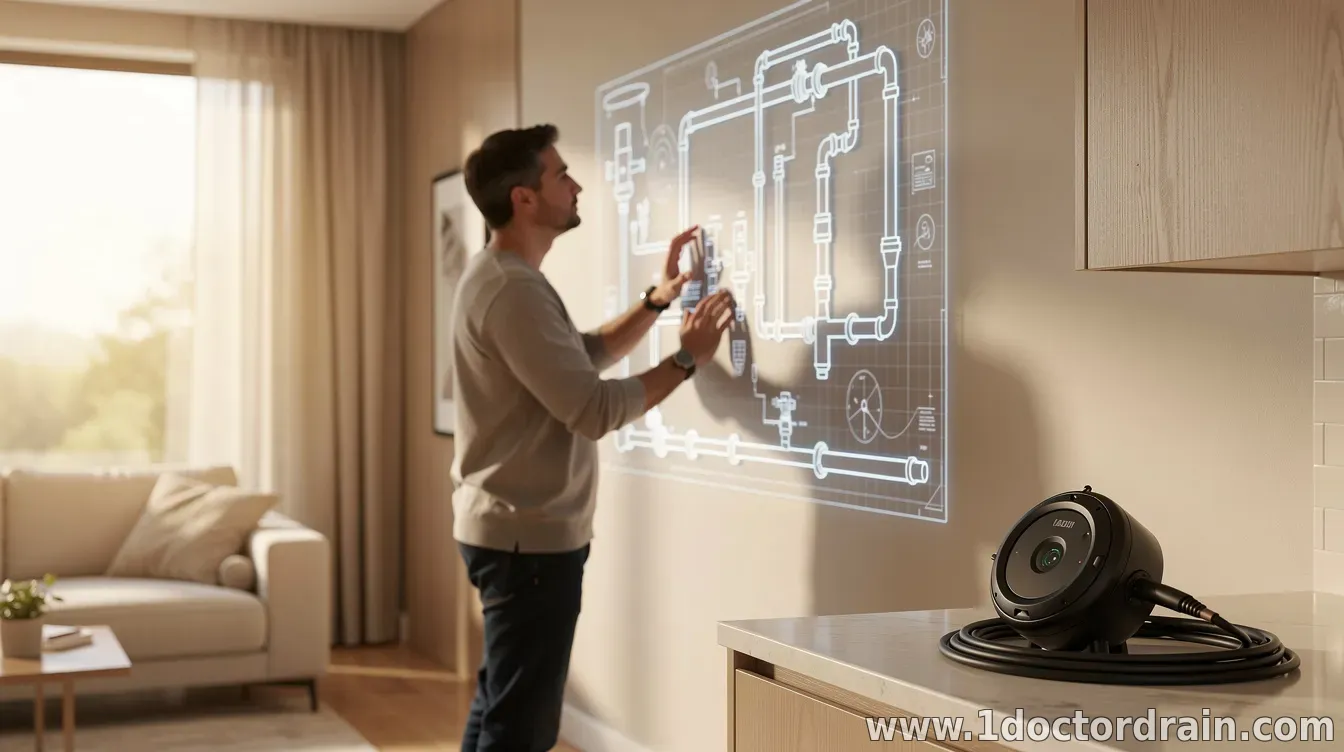
A sewer camera inspection uses a specialized camera to evaluate the condition of your main sewer line, looking for cracks, corrosion, root intrusion, blockages, and other damage. How often you should schedule this test depends on several factors, including home age, pipe material, and any history of drainage issues.
Baseline guidance for many households is to schedule a proactive inspection every 1–2 years. This frequency balances catching developing problems early with the costs of the service. Homes with older pipe materials or clay mains typically benefit from closer monitoring, possibly annually, due to higher risk of root intrusion and deterioration.
Several scenario-based guidelines can help you decide. If your home was built on a clay or cast-iron main, or if you have a history of sewer backups or frequent slow drains, an annual check is often prudent. If your sewer line is relatively new or using more modern materials like PVC, every 2–3 years may suffice—unless there are new concerns.
Other factors to consider include tree roots in the area, recent renovations that may have disrupted the line, or a change in land conditions (for example, nearby construction). Homes with nearby mature trees or a high water table may experience earlier root intrusion or shifting pipes, warranting more frequent inspections.
Inspections aren’t only for problem prevention. They can inform maintenance decisions, such as where to perform root management or when to replace a section of pipe before a leak develops. If you’re planning a major home project, or if you’re selling the property, a sewer line camera inspection can add value by documenting current condition and reducing future risk.
How to decide the right interval for your situation: start with a baseline of 1–2 years if you have older or problematic pipes, then adjust based on outcomes from each inspection. If the camera reveals no issues, you might extend the interval slightly; if it uncovers cracks, root intrusion, or heavy buildup, plan repairs and shorten the next inspection window accordingly.
When booking, choose a licensed plumber or sewer specialist who uses a modern camera system with a locator to map the pipe path. A thorough report often includes video, findings, recommended actions, and cost estimates, helping you prioritize maintenance and avoid unexpected outages.
| |
|
| |
CALL ☎ Subscribe 👆
Next & Previous posts
Related materials:
CONTACT US 📩
Submit the form, we'll contact you as soon as possible!