4:50 AM What a Sewer Line Video Inspection Actually Shows | |
A sewer line video inspection is designed to answer one key question: what’s really going on inside the underground pipe? Instead of relying on symptoms alone, the process sends a remotely operated camera through the line and captures real footage for review.
For homeowners and property managers, that visual evidence can be especially valuable when recurring backups, slow drains, foul odors, or unexplained plumbing failures suggest a hidden problem below ground. How the inspection works
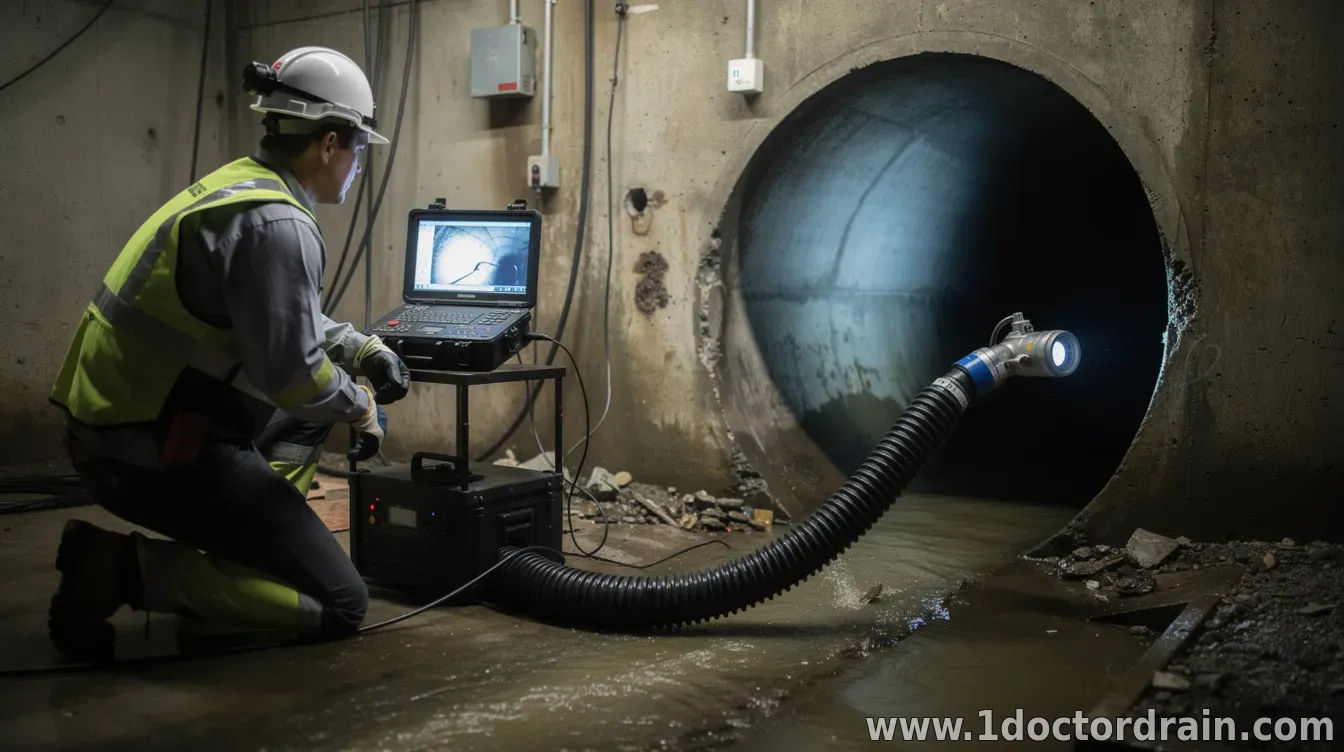
During a video inspection, a technician inserts a small camera into an access point—often a cleanout—then moves it through the sewer line while monitoring the feed on-site. The system typically records the route, measures distance traveled, and captures images or videos at relevant locations, creating a reference report you can keep. What you may see in the footage
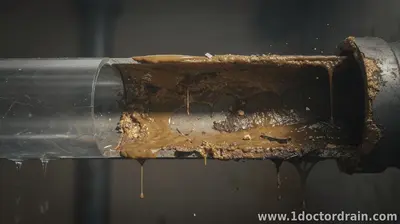
Depending on the condition of the pipe and the length of the run, the camera can reveal a range of issues. Common findings include obstructions like grease, debris, or accumulated sludge, as well as measurable buildup that contributes to reduced flow.
The footage may also show physical defects such as cracks, broken sections, collapsed pipe, misaligned joints, or corrosion. For older sewer lines, these visual signs can help explain why problems return even after routine drain cleaning. Root intrusion, deposits, and changes in pipe condition
Tree and shrub roots are among the most frequently identified causes of sewer-line trouble. On camera, roots often appear as invasive growths that invade joints and cause narrowing or damage, which can lead to backups and intermittent failures.
Deposits and scaling can be visible too—slick or thick coatings inside the pipe can restrict capacity over time. In some cases, the inspection reveals transitions where the pipe changes material or diameter, which can be important for understanding where clogs form more easily. Leaks, backups, and flow-related clues
While the camera doesn’t “smell” or taste the sewer, it can show evidence of leaks and infiltration—such as moisture patterns, standing water, or signs that the line isn’t draining as it should. If the inspection is paired with knowledge from past plumbing history, the footage can help connect the location of the defect to the symptoms you’re experiencing.
When the line has active blockage, the camera feed may include partially obstructed sections or inflow effects. That said, the report still helps guide the next diagnostic step and determines whether cleaning alone is enough or if repairs are required. Why the report matters for repairs and permits
A strong inspection doesn’t just point to a problem—it maps where it is. The technician’s documentation (often including footage timestamps, location references, and pipe-condition observations) can support decisions about trenchless repairs, traditional replacement, or targeted cleaning.
For many property owners, that clarity reduces guesswork and can improve budgeting, since the choice of method typically depends on the specific type and severity of damage shown in the camera review.
If you’re dealing with recurring backups or suspect a deeper sewer issue, a video inspection can provide the most direct look at what’s happening inside the pipe. With that evidence in hand, you’re better positioned to choose the right remedy—and avoid repeating the same fixes without solving the underlying cause.
| |
|
| |
CALL ☎ Subscribe 👆
Next & Previous posts
Related materials:
CONTACT US 📩
Submit the form, we'll contact you as soon as possible!