3:21 AM Why Shower Drains Clog Faster Than You Think | |
|
Most people notice a shower drain problem only after water starts pooling, draining slowly, or backing up. But clogs usually form long before they become obvious—especially when multiple small causes build up day after day in the narrow drain opening.
Understanding why shower drains clog faster than expected can help you prevent backups and keep plumbing running smoothly. Hair and fibers are the most common “starter”
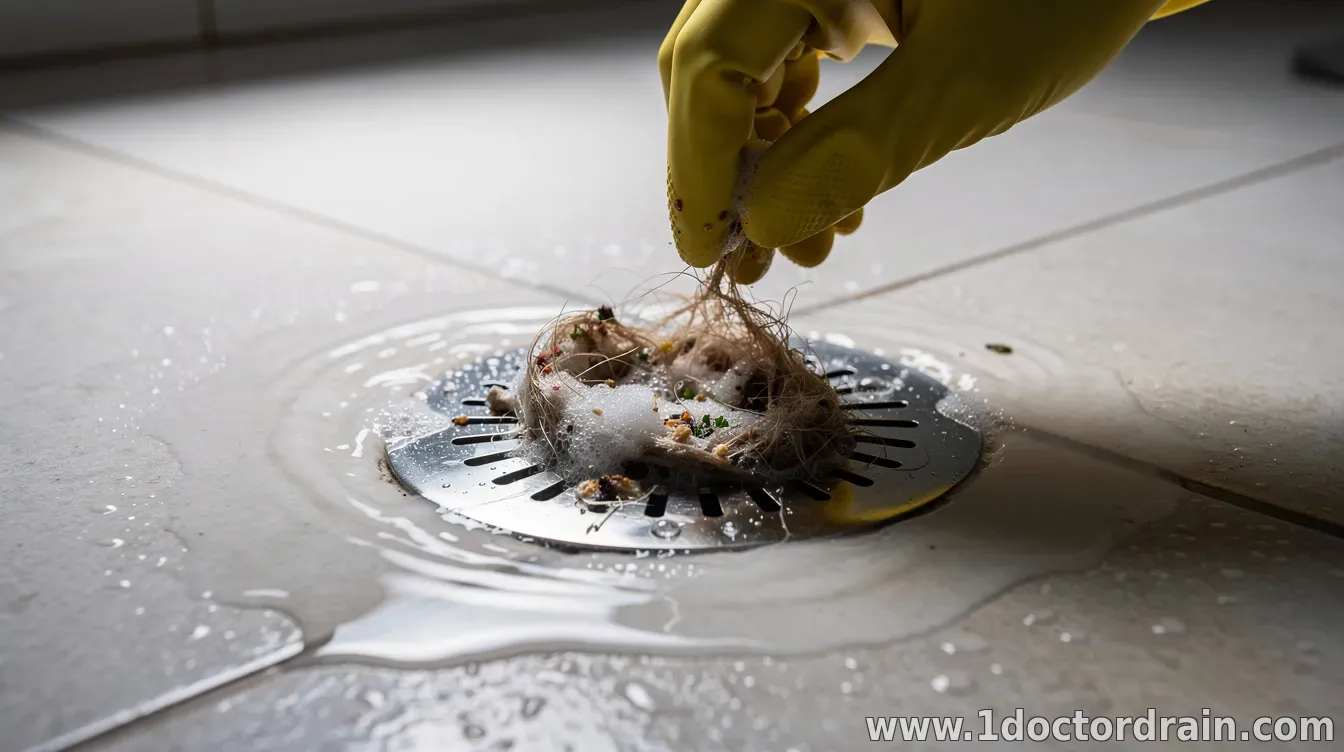
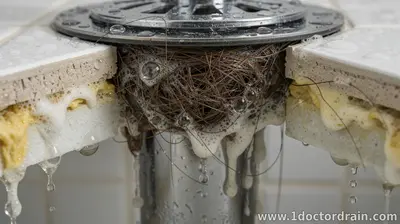
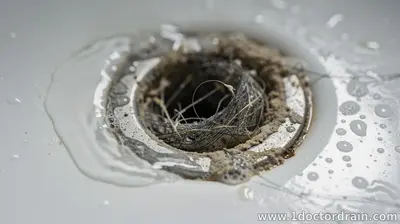
Hair is often the first ingredient in a shower clog. Even with short hair, loose strands and fibers from towels or bath mats can travel through the drain and collect around the curve or the strainer. Over time, this trapped material becomes a foundation that other debris adheres to. Soap and shampoo turn debris into a sticky mass
Detergents and personal-care products don’t just wash away—they can leave behind residue. As soap scum and shampoo components mix with water minerals and organic matter, they create a thicker, stickier buildup that traps hair and soap scum. This is one reason clogs can worsen quickly after switching products or when hard water is present. Hard water and mineral deposits reduce flow
In areas with hard water, dissolved minerals can settle inside drain pipes. Combined with residue and hair, mineral deposits narrow the passageway, making the drain less tolerant of everyday buildup. The result is slower drainage and a higher chance of sudden blockages when additional material enters the system. Small clogs act like “permission” for bigger ones
Early signs—like a faint odor, water that takes longer to drain, or gurgling sounds—often indicate a partial blockage. When flow is already restricted, more hair and residue tend to accumulate, accelerating the clog. Ignoring these early symptoms can turn a manageable blockage into a more stubborn one. What you can do to prevent faster clogging
Prevention is usually cheaper and faster than repeated repairs. Simple habits can dramatically reduce buildup:
Even with good maintenance, buildup can still occur—particularly in high-traffic bathrooms or homes with hard water. When to stop DIY and call a professional
Try basic clearing methods if the clog is mild and water drains slowly rather than fully backing up. However, it’s a good idea to contact a licensed plumber if you notice repeated clogs, water backing up in multiple drains, persistent foul odors, or signs of pipe damage.
Professionals can inspect the drain line, assess whether the blockage is in the trap, the branch line, or deeper in the plumbing, and use appropriate tools to clear the clog without damaging pipes.
Shower drains clog faster than many people expect because everyday materials—hair, soap residue, mineral deposits, and debris—work together to form a buildup over time. With targeted prevention and attention to early warning signs, you can reduce interruptions and extend the life of your plumbing.
| |
|
| |
CALL ☎ Subscribe 👆
Next & Previous posts
Related materials:
CONTACT US 📩
Submit the form, we'll contact you as soon as possible!