8:42 AM Drain Myths Plumbers Hear Every Week—and What’s True | |
Every week, plumbers hear the same set of “surefire” fixes for slow drains and stubborn clogs. Some myths sound harmless, but many lead to repeat problems, costly repairs, or preventable pipe damage. Understanding what actually works can save time, money, and plumbing wear—and help you avoid making a minor issue much bigger.
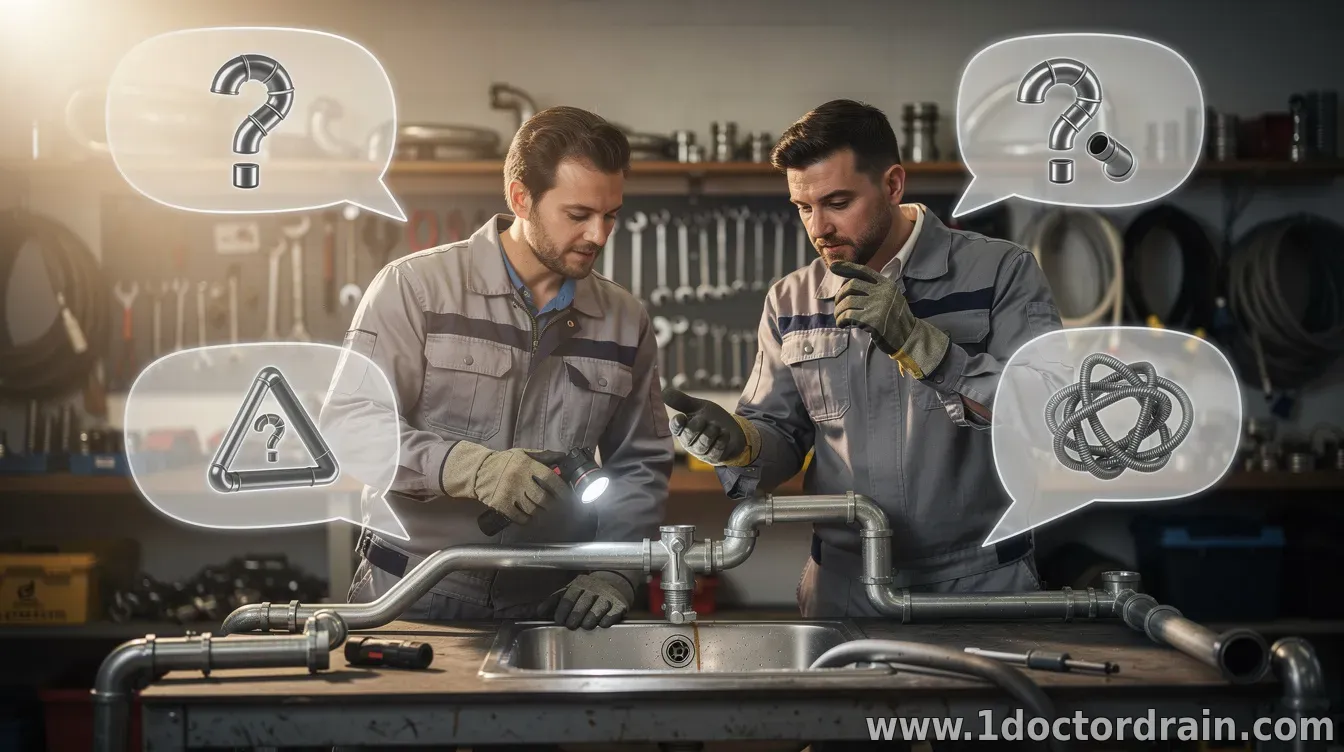
While every plumbing system is different, the following myths are consistent across service calls. Consider them a reality check before you reach for the kettle, the chemicals, or the wrong items “because they usually work.” Myth 1: Boiling water melts drain clogs
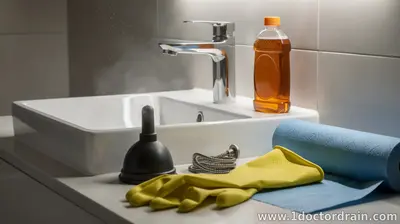
Boiling water can temporarily soften certain substances, but it often fails against real blockages like grease buildup, hair, soap scum, or hard debris. In some cases, rapid temperature changes can stress older pipes or fixtures. For stubborn clogs, plumbers typically recommend mechanical methods first—like a drain snake or auger—paired with targeted cleaning tools. Myth 2: “Pour chemicals and it will clear everything”
Many drain-cleaning products are harsh and can damage plumbing materials over time. Worse, mixing products—or using them after another chemical has already been poured—can create dangerous reactions. Even when chemicals “work,” they may not fully remove the blockage, allowing residue to build back up. Plumbers often use safer, stepwise approaches: identify the cause, remove the obstruction, then flush with appropriate methods. Myth 3: Garbage disposals can handle anything
Garbage disposals are designed for small amounts of food waste, not fibrous, starchy, or stringy materials that expand or tangle. Common problem items include potato peels, large amounts of grease, celery-like fibers, and anything that forms “string” during breakdown. When disposals are overloaded, they can contribute to downstream clogs or create a mess that’s harder to clear later. Myth 4: Flushing wipes (even “flushable” ones) is fine
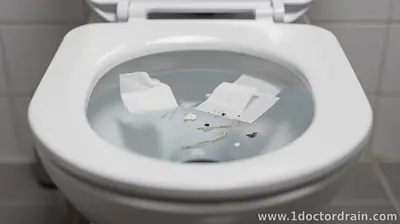
One of the most persistent myths is that “flushable” wipes break down in water like toilet paper. In practice, wipes often do not disperse reliably, and they can accumulate into blockages—especially in older sewer lines. Plumbers frequently cite wipes as a major contributor to recurring clogs that are difficult to fully resolve without professional intervention. Myth 5: If a drain is slow, it just needs more water
Running water to “push it through” can sometimes help with minor blockages, but it can also spread the problem farther down the line. Slow drains are often a warning sign of partial buildup. A better approach is to remove what’s accessible (hair, sludge, debris) and then use the right tool for the job, rather than relying on volume alone.
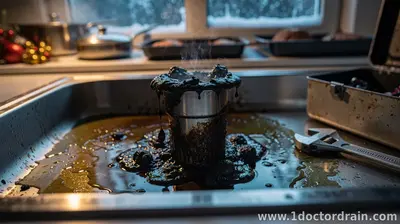
When you’re dealing with a drain issue, the most effective fixes tend to be practical and cause-focused: use a drain strainer to catch hair and debris, avoid dumping grease, don’t rely on chemical “shortcuts,” and remove suspected obstructions mechanically when safe. If symptoms persist—repeated backups, gurgling sounds, or multiple drains slowing at once—it’s usually time to contact a licensed plumber.
Plumbers don’t just hear myths—they see the results. The fastest path to a clear drain is often the least glamorous one: correct identification, safe removal, and prevention. Next time a “common tip” sounds too convenient, consider whether it addresses the real cause of the clog—or simply postpones the next service call.
| |
|
| |
CALL ☎ Subscribe 👆
Next & Previous posts
Related materials:
CONTACT US 📩
Submit the form, we'll contact you as soon as possible!