1:35 AM Signs Your Sewage Ejector Pump Needs Service | |
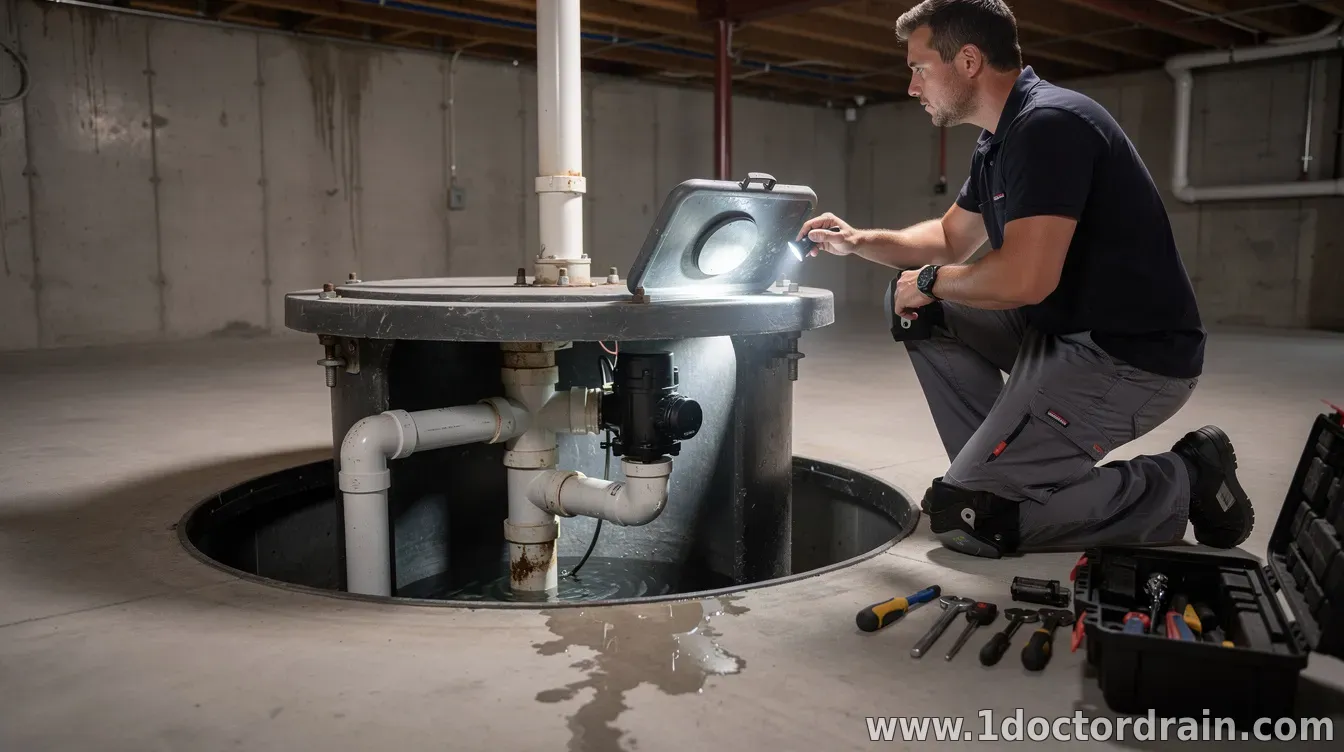
A sewage ejector pump is designed to move wastewater from a lower level (like a basement) to the main sewer line. When it starts to fail, the results can be messy and expensive—so it helps to know what “normal” looks like and what doesn’t.
Below are common signs that your sewage ejector pump may need service or inspection. 1) Strange noises or new vibrations
Many pumps make some sound while operating, but sudden changes are a red flag. Grinding, rattling, clunking, or loud humming can indicate an impeller problem, a worn motor component, or debris in the pump chamber. If the vibrations seem stronger than usual, it’s worth having the unit checked before it worsens. 2) The pump runs more often than it used to
Most systems cycle based on tank level and float controls. If the pump turns on much more frequently—or seems to stay running longer than before—it may be due to a failing float switch, a clogged inlet, or an issue with the check valve. Over time, unnecessary runtime can overheat the motor and reduce pump life. 3) Slower pumping or incomplete clearing
Another sign of trouble is reduced discharge performance. For example, you may notice that the pump takes longer to clear the sump/tank, struggles to maintain the water level, or leaves water behind. This can be caused by a partially blocked intake, a worn impeller, or buildup inside the pump. 4) Backups, odors, or gurgling sounds
Backups are the most urgent indicator. If wastewater returns to the basin, you smell persistent sewage odors, or you hear gurgling near drains, the system may not be moving waste properly. Odors can also suggest a leak in plumbing connections or a failing check valve that allows water to flow back.
Even if the issue seems intermittent, don’t ignore recurring odors or gurgling—these often appear before a complete failure. 5) Tripped breakers or error alarms
A pump drawing too much current can trip a breaker or trigger an alarm panel. This may happen when the motor is overheating, the impeller is jammed, or electrical components are failing. If you notice repeated breaker trips, the safest next step is professional diagnosis rather than repeatedly resetting the switch. 6) Corrosion, leaks, or wet spots around the pump
Inspect the area around the ejector pump for moisture where it shouldn’t be. Visible corrosion on the pump, dampness around fittings, or pooling water in the pit can point to seals that are worn, connections that have loosened, or condensation—each with different implications for service.
Keep in mind that regular maintenance should still include checking power and plumbing connections for wear, but any evidence of leakage or significant corrosion is a strong prompt for inspection. 7) Your system is old or frequently maintained without improvement
Age matters. If the pump is several years old and you’re seeing repeated symptoms, the most cost-effective approach can be servicing the system’s key components—switches, check valves, and discharge line—rather than only cleaning or resetting it. Persistent problems after basic troubleshooting can indicate deeper mechanical or electrical wear.
When to call for service
If you see any of the signs above—especially backups, breaker trips, or persistent odors—arrange an inspection. A technician can confirm whether the issue is with the pump itself, the floats, the check valve, the discharge pipe, or the electrical system. Catching the problem early can help prevent backups that damage finishes and create health and cleanup concerns.
If you want, tell me your pump brand/model age and which symptoms you’re seeing, and I can help you narrow down the most likely causes to ask your technician about.
| |
|
| |
CALL ☎ Subscribe 👆
Next & Previous posts
Related materials:
CONTACT US 📩
Submit the form, we'll contact you as soon as possible!