2:45 AM Annual Drain Maintenance: How It Cuts Long-Term Costs | |
Keeping household drains healthy is rarely a one-time task. An annual drain maintenance plan is designed to prevent slowdowns, clogs, and costly water damage by addressing issues before they become emergencies. For homeowners and property managers, the value isn’t just comfort—it’s financial protection.
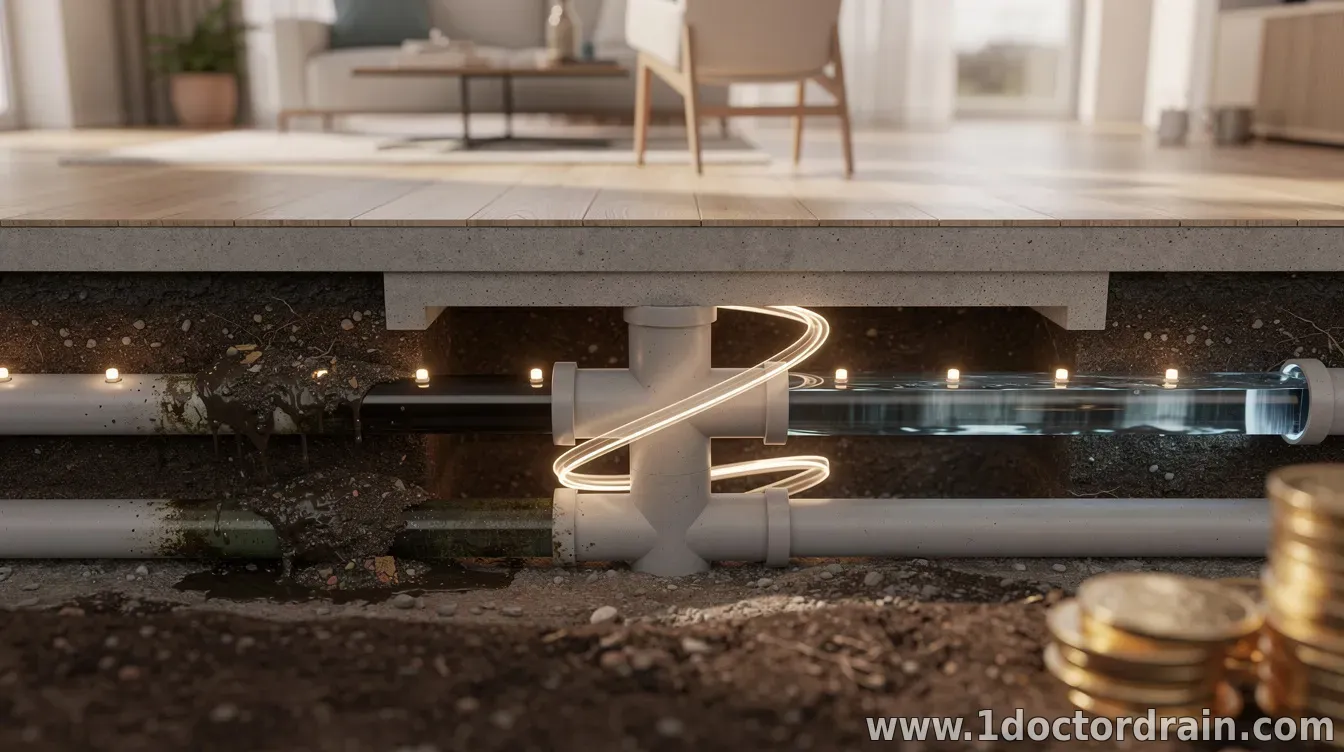
Most drain failures follow a familiar pattern: debris builds up over months, a minor blockage becomes frequent, and then a full clog or pipe problem forces an urgent repair. Scheduled maintenance interrupts that cycle by clearing buildup and inspecting key trouble spots while fixes are still straightforward. It reduces emergency repair costs
When drains back up unexpectedly, repair costs usually rise due to after-hours service, rushed diagnostics, and the possibility of more extensive work. Annual maintenance lowers the odds of sudden failures, helping households avoid high-cost callouts and minimizing disruptions to daily routines. It catches problems before they escalate
During a maintenance visit, technicians can identify early indicators such as recurring slow drains, unusual gurgling sounds, lingering odors, or water that drains unevenly. Addressing these symptoms early can prevent cascading damage—like moisture intrusion in walls or flooring—where costs tend to multiply. It improves drainage efficiency
Even when drains don’t fully clog, partial blockages can restrict flow and cause persistent backups. Routine cleaning and targeted checks help maintain proper drainage capacity, which can also support better water usage and reduce the strain on related plumbing components.
Annual maintenance also encourages better long-term plumbing health by aligning service timing with your property’s risk profile. Homes with older pipe systems, frequent household use, landscaping nearby, or known past issues often benefit from more consistent preventive care than ad-hoc troubleshooting. What an annual plan typically includes
While services vary by provider, a solid annual plan commonly focuses on cleaning, inspection, and documentation. The goal is to remove accumulated buildup, evaluate drain performance, and create a clear baseline for future maintenance.
Over time, this approach can be more cost-effective than repeatedly paying for reactive repairs. Instead of waiting for a visible failure, you’re managing risk proactively.
To get the most value, homeowners should schedule maintenance before peak “backup seasons,” track recurring symptoms, and ask the provider to explain what they find and why it matters. A well-managed annual plan turns drain care into a predictable expense—often far cheaper than the alternatives.
| |
|
| |
CALL ☎ Subscribe 👆
Next & Previous posts
Related materials:


CONTACT US 📩
Submit the form, we'll contact you as soon as possible!