2:47 AM Holiday Cooking Grease: A Top Cause of January Drain Calls | |
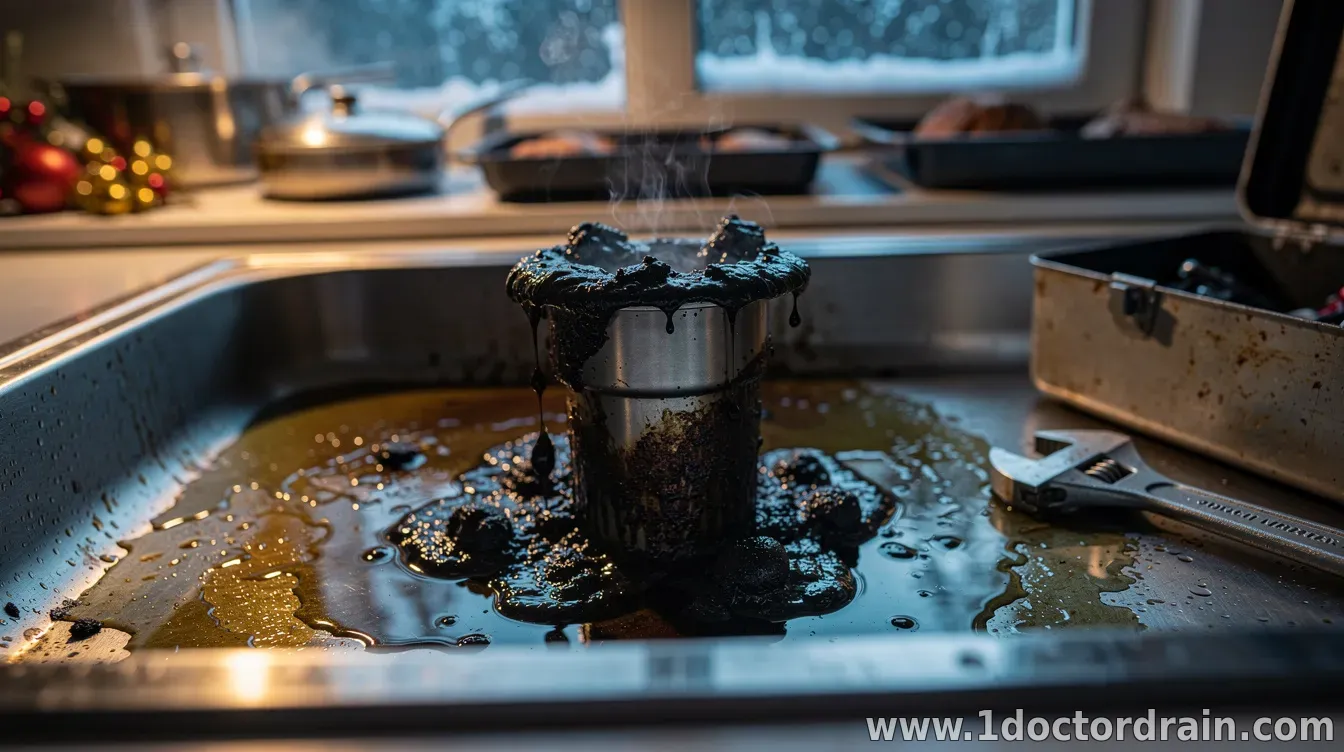
January drain service calls often spike after the holiday season, and one culprit rises above the rest: cooking grease. While it may look harmless as it goes down the sink, grease can cool, solidify, and build up inside pipes, narrowing the flow until clogs form.
During holiday cooking, families use more oils, gravies, frying fats, and pan drippings than usual—then wash the residue away with hot water or dish soap. That combination can move grease through plumbing briefly, but it typically coats interior pipe surfaces and creates a sticky base for other debris to collect.
Why grease leads to backups
Unlike water, grease doesn’t reliably stay “in suspension.” As it travels downstream, it cools and adheres to pipe walls. Over time, it traps food particles and other household waste, producing thick blockages that can restrict drainage, trigger slow sinks, and in worst cases cause wastewater to back up.
Plumbers also note that the “short-term flush” effect can be misleading. A sink may drain normally right after cooking, but the buildup continues to accumulate over days or weeks, turning minor slowdowns into emergency calls during the busy start of the year.
What to do instead of pouring grease down the drain
To reduce the risk of clogs, the most effective approach is simple: keep grease out of the plumbing system entirely.
Spotting early warning signs
Not every clog starts as a complete backup. Common early signals include slow drainage, gurgling sounds in tubs or sinks, and lingering odors. If you notice these symptoms after heavy holiday cooking, addressing the issue early—such as clearing minor blockages or cleaning strainers—can help prevent a more serious blockage that requires professional service.
Service technicians typically urge homeowners not to rely on aggressive chemical cleaners as a first response. Depending on the situation, chemicals may offer limited help against grease-based buildup and can complicate downstream repairs.
As January routines resume, small changes in kitchen habits can prevent many of the most common drain problems. Scraping grease into a container, wiping pans before washing, and using strainers are low-effort steps that protect plumbing and reduce the likelihood of repeat emergency calls.
| |
|
| |
CALL ☎ Subscribe 👆
Next & Previous posts
Related materials:
CONTACT US 📩
Submit the form, we'll contact you as soon as possible!