0:44 AM Septic vs. Sewer: What Suburban Homeowners Should Know | |
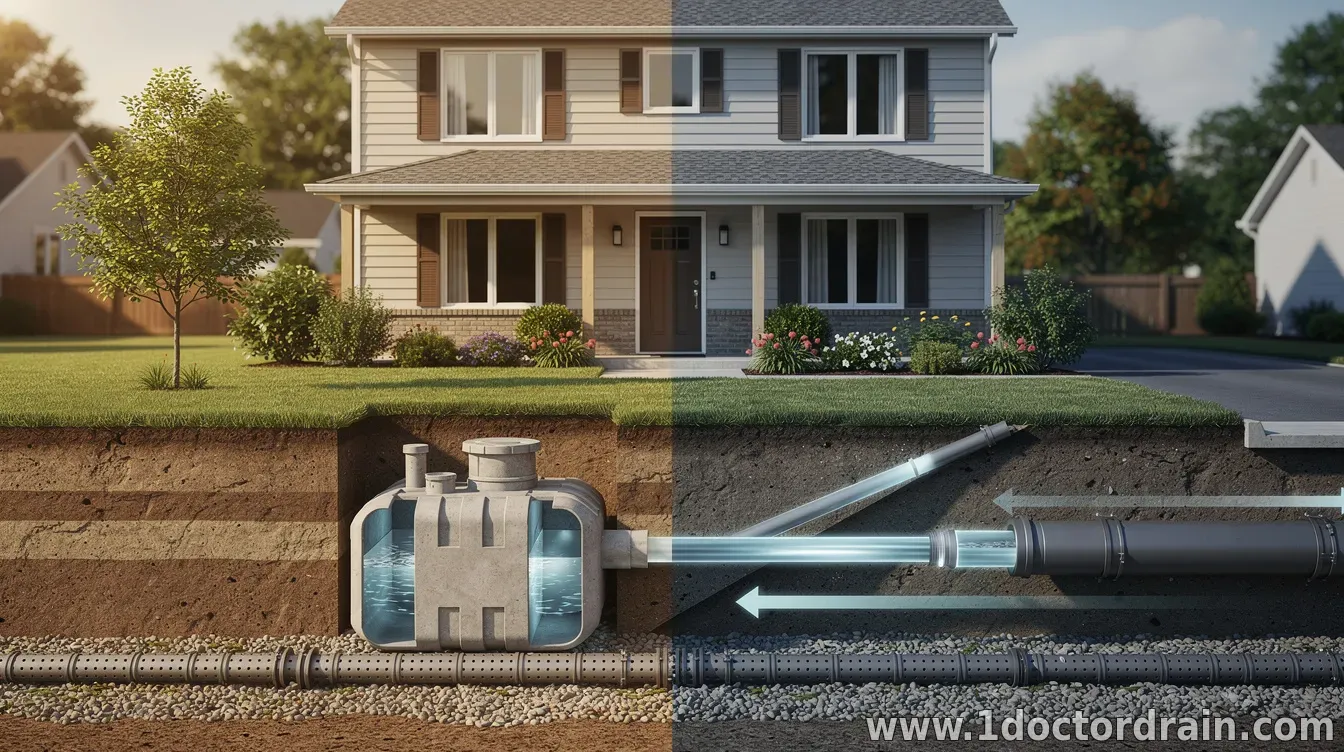
Choosing between a septic system and a public sewer line often comes down to the home’s location and how wastewater services are provided in the area. While both systems move household wastewater away from living spaces, they operate differently—and the maintenance responsibilities can fall squarely on the homeowner with septic. How septic systems work
A septic system typically treats wastewater on-site. After it leaves the home, it flows into a septic tank where solids settle and scum forms. From there, the relatively clarified liquid moves to a drainfield (also called a leach field), where soil helps filter and disperse the effluent. Because the system depends on the health of both the tank and the drainfield, ongoing care is essential. How sewer systems work
Municipal sewer systems collect wastewater from homes through underground pipes and transport it to a centralized treatment facility. In most areas, homeowners pay monthly utility bills, and the municipality is generally responsible for routine operation and major infrastructure maintenance. However, homeowners still play a role—especially when it comes to preventing clogs or unauthorized discharges that can damage pumps and treatment equipment. Cost and responsibility: the practical difference
With septic, costs can be less predictable because they’re tied to system condition and local regulations. Common expenses include routine inspections, pumping the tank, and addressing drainfield issues. With sewer, maintenance costs are usually spread through utility rates, though homeowners may still face charges related to private plumbing lines or laterals that connect the home to the public system.
For many suburban buyers, the financial question becomes: who pays when something goes wrong, and how quickly will problems show up. Septic failures can sometimes develop slowly (performance declines) until a noticeable symptom occurs, while sewer problems may be linked to blockages or backups that require prompt attention.
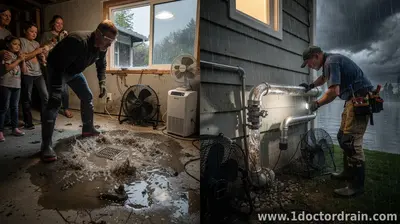
One of the biggest warning areas for either system is water that is not behaving normally. In septic homes, indicators can include slow drains, gurgling sounds, odors near the tank or drainfield, unusually wet spots in the yard, or grass that grows greener over the drainfield. In sewer-served homes, early signs can include frequent clogs, foul smells near cleanouts or indoors, and—most urgently—backups in tubs, toilets, or floor drains.
Homeowners can also take proactive steps. Septic owners should limit what goes into the system—avoid harsh chemicals, be mindful of disposal habits (including what goes down the garbage disposal), and protect the drainfield from heavy traffic and landscaping that can compact soil. Sewer customers should follow local guidance on what can be flushed or poured, and they should understand where their private plumbing ends and the public line begins.
Before buying or refinancing a property, it’s worth confirming the wastewater setup and any documentation available. Septic homes typically benefit from a recent tank inspection and records of pumping history. For sewer homes, homeowners should know the location of cleanouts and whether any permits or prior plumbing work exist, particularly if the property is on an older lateral line.
Finally, consult local health departments or wastewater authorities for guidance, since regulations and recommended maintenance schedules vary by region. A clear understanding of whether you’re on septic or sewer can help you plan for the right inspections, budget for maintenance, and respond faster if warning signs appear.
| |
|
| |
CALL ☎ Subscribe 👆
Next & Previous posts
Related materials:

CONTACT US 📩
Submit the form, we'll contact you as soon as possible!