1:02 AM What a Drain Camera Inspection Can (and Can’t) Tell You | |
|
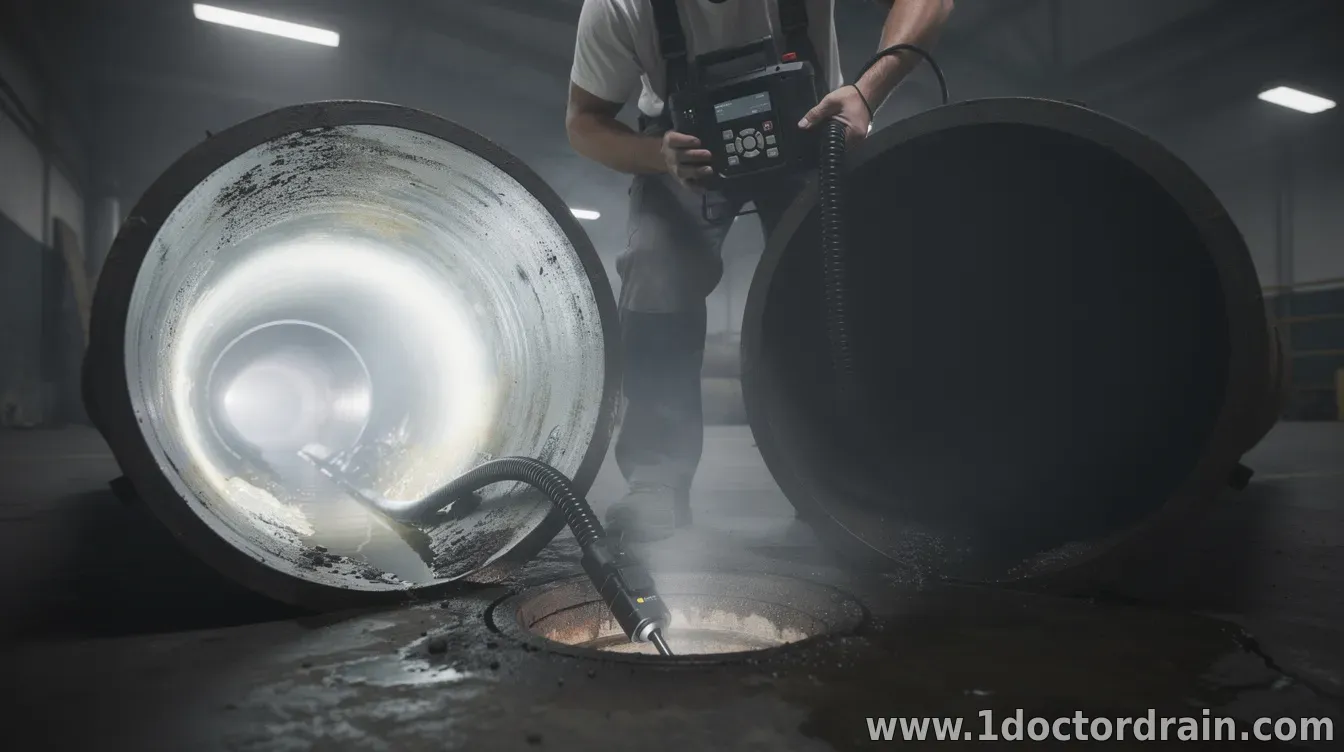
Drain camera inspections are often the fastest way to understand what’s going on inside a pipe. By sending a small, waterproof camera through the line and reviewing the footage, plumbers and sewer professionals can identify many common causes of slow drains, backups, and foul odors.
Still, camera work has limits. What the operator can see—and how clearly—depends on pipe condition, access points, and whether the problem lies within the camera’s field of view. What a drain camera inspection can typically tell you
In many cases, video inspection can confirm the location and likely cause of a problem. The clearest findings tend to involve things the camera can directly observe through the pipe wall and surrounding flow conditions.
Key items camera inspections commonly reveal include:
Camera footage can also help determine whether the line is maintaining proper grade or flow. When combined with depth, measurements, and notes recorded during the inspection, it often supports decisions about cleaning, repair, or rehabilitation. Where a drain camera inspection may fall short
Even high-quality inspections don’t produce a perfect “diagnosis” in every situation. Some issues are difficult or impossible to confirm through video alone.
Common limitations include:
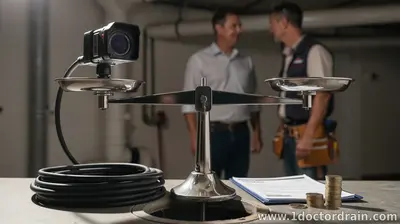
In some cases, the camera may see damage but cannot confirm the full extent of structural failure beyond what the lens can view. That’s why professionals often pair footage with other checks, like pressure testing, smoke testing, or field measurements, depending on the suspected cause. How to make the inspection more useful
The value of a drain camera report increases when the inspection is planned around the likely issue and the site conditions. Homeowners and property managers can help by clarifying symptoms, timelines, and any recent events.
Before an inspection, consider asking the provider how they will handle common variables such as expected sediment levels, whether the system needs cleaning first, and how they will document findings (for example, recorded footage with distance markers). If the camera encounters a partial obstruction, the operator may recommend preliminary clearing so the full interior can be reviewed.
After the job, request a clear report that includes what was found, where it was found, and what the recommended next step is. A good inspection will connect observations in the video to practical remediation options—rather than presenting footage without guidance on risk and repair priorities.
Bottom line: a drain camera inspection is a powerful tool for locating many pipeline problems, from cracks to root intrusion. But it isn’t a universal solution for every sewer or drainage mystery. Using the footage alongside the right follow-up tests—and setting expectations about what the camera can’t see—helps ensure repairs are targeted and effective.
| |
|
| |
CALL ☎ Subscribe 👆
Next & Previous posts
Related materials:
CONTACT US 📩
Submit the form, we'll contact you as soon as possible!