
2:28 AM Unclogging a Kitchen Sink Drain: A Step-by-Step Guide | |
|
Kitchen sinks can clog for a variety of reasons, from food scraps to grease buildup. A slow drain is a common hassle, but many clogs respond to simple, household-friendly methods. This guide walks you through tried-and-true steps to get your sink draining again without harsh chemicals.
What you’ll need
Having the right tools on hand makes the process smoother and safer. If you have an overflow opening, cover it to maintain suction while plunging. Step 1: Clear the stopper and trap
Remove the sink stopper and inspect the area beneath the sink. Place a bucket under the P-trap to catch water. Loosen the slip nuts and remove the trap to check for obvious blockages. Clean out any debris and reassemble before testing the drain. Step 2: Try a plunger
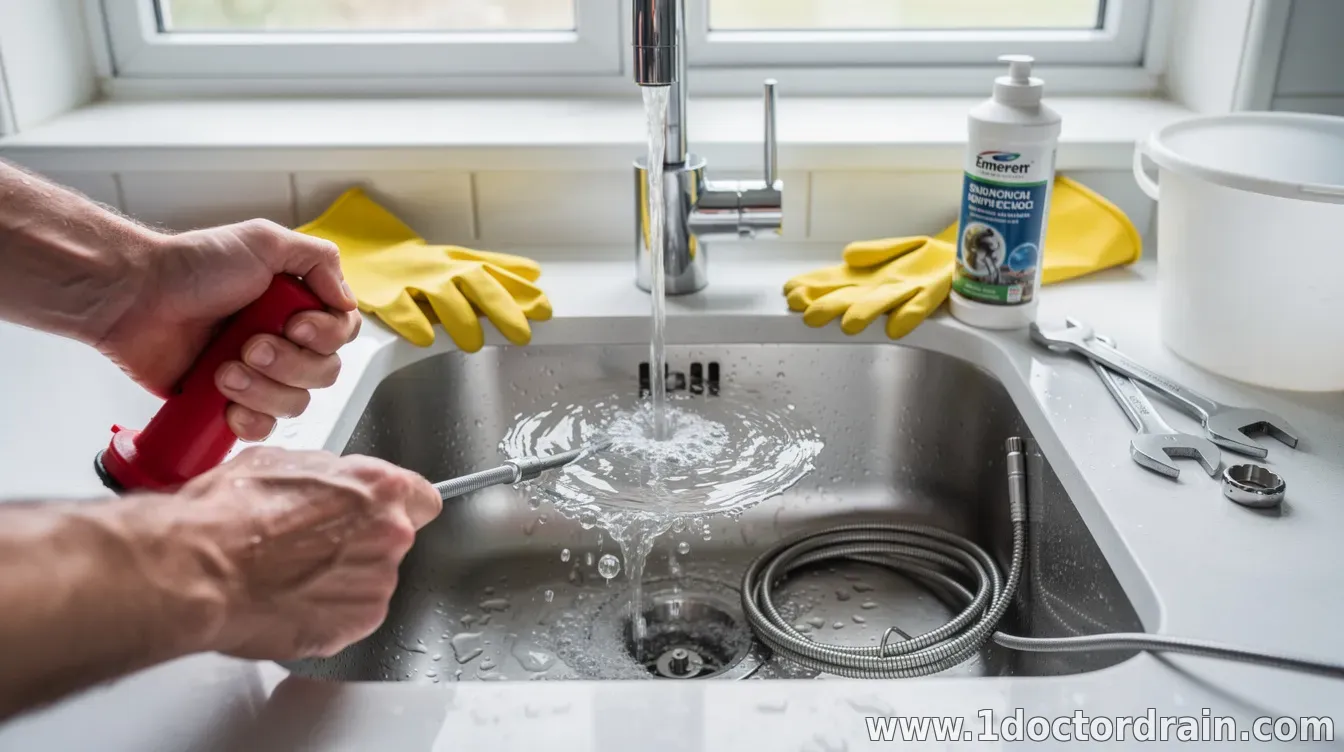
Step 3: Use a drain snake for stubborn clogs
Insert the snake into the drain and twist to break up the blockage. When you feel resistance, rotate and pull back debris. Rinse with hot water and run the tap to check flow. Step 4: Household alternatives (careful use)
Pour 1/2 cup baking soda into the drain, followed by 1 cup white vinegar. Let it fizz for 15 minutes, then flush with hot water. This can help loosen minor buildup without harsh chemicals. Step 5: Flush and test
Boil water and slowly pour it down the drain in stages to clear grease and soap scum. Run cold water for a minute to verify a steady flow and prevent future standing water. When to call a professional
If water remains slow or backlogs after trying these steps, the clog may be deeper in the plumbing system or involve the main line. A licensed plumber can assess and safely remove more stubborn obstructions.
| |
|
| |
CALL ☎ Subscribe 👆
Next & Previous posts
Related materials:


CONTACT US 📩
Submit the form, we'll contact you as soon as possible!