
0:42 AM Hard Water in Illinois: How It Drives Drain Buildup | |
|
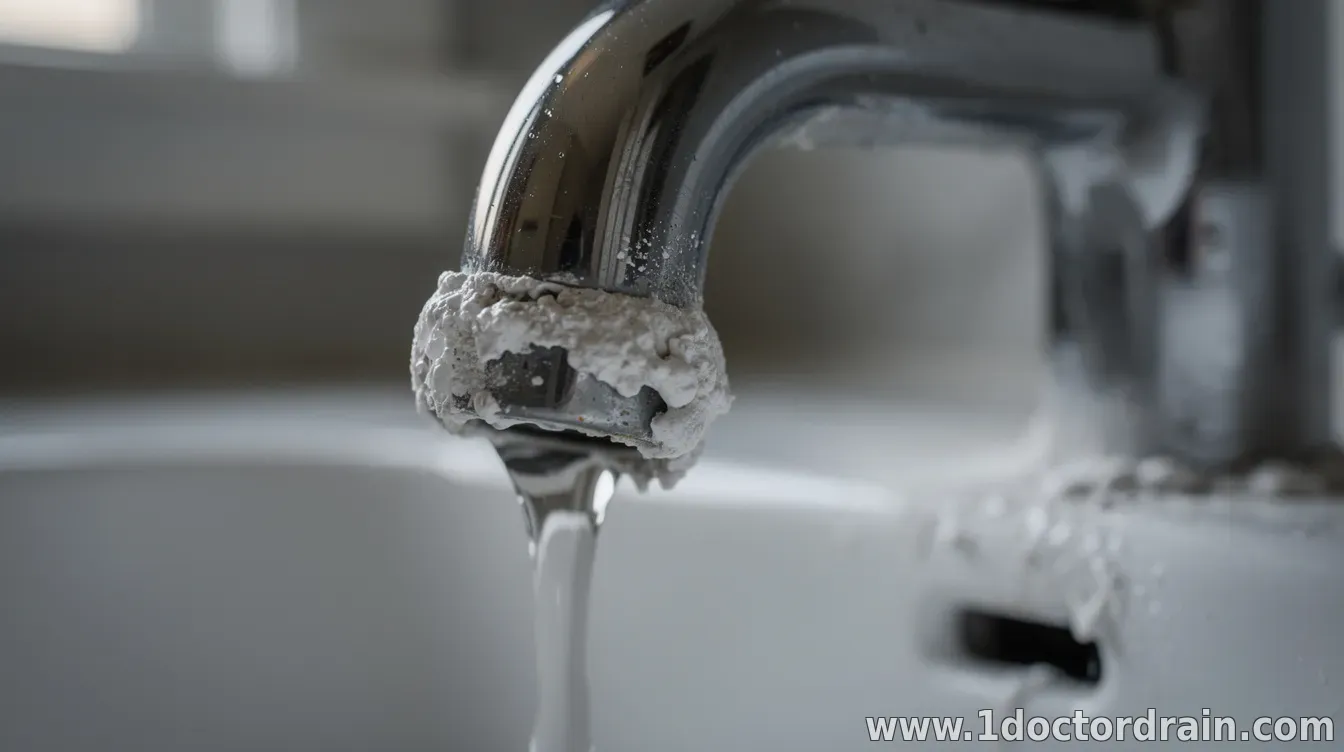
Homeowners across Illinois often notice slow drains, lingering odors, or recurring gurgles—problems that can be made worse by hard water. When water is high in calcium and magnesium, these minerals can build up inside pipes and fixtures, gradually restricting flow and contributing to drain clogs. What “hard water” means
Hard water forms when groundwater picks up dissolved minerals along its path through soil and rock. In Illinois, the result can be higher mineral content in many residential water supplies. While hard water is generally not a health concern, it is a maintenance issue for plumbing systems.
As water moves through your home, minerals can precipitate—especially when heated, aerated, or exposed to changes in temperature. Over time, precipitation can turn into visible scale on faucets and showerheads and can also accumulate out of sight inside drains and pipe walls. How mineral buildup forms in drains
Drain areas are prone to buildup because they regularly receive a mix of water, soap residue, grease, hair, and food particles. Hard-water minerals can increase the sticky, cement-like nature of this mixture. Instead of flowing through smoothly, debris can adhere to rougher pipe surfaces where scale has started to form.
Additionally, when hot water is used frequently—such as for laundry, dishwashing, or long showers—mineral deposition can occur faster. Even if you can’t see the early stages, scale can create micro-roughness that acts like “grip” for gunk, leading to faster clog development over months. Common symptoms Illinois homeowners report
Hard-water-driven drain buildup often shows up gradually. Some signs include water draining more slowly in one area (like a specific sink or shower), a persistent film on fixtures, or recurring clogs that return even after quick chemical or mechanical cleaning.
Many households also notice that the problem is worse where hot water is used most. For example, shower drains may accumulate faster than laundry lines, and kitchen sink buildup may respond differently depending on how much grease and detergent are being used. Prevention strategies that can help
The most effective approach depends on your plumbing setup and the severity of existing buildup. In many cases, combining prevention with periodic maintenance yields the best results.
For households already dealing with partial clogs, the goal is to restore flow while minimizing damage to pipes. Repeated aggressive flushing without addressing the underlying mineral issue can lead to recurring problems. Testing and next steps
If you suspect hard water is playing a major role, start with water testing (either through a local provider or a home kit). Hardness levels can guide decisions—such as whether a softener is cost-effective and what maintenance schedule makes sense.
For recurring drain issues, it can also help to document which drains slow first, whether hot water use correlates with worsening, and how quickly clogs return after cleaning. That information can be valuable if you choose to consult a plumber or evaluate a broader treatment plan.
With consistent prevention—especially when water is softened or mineral deposition is managed—Illinois homeowners can often reduce scale-driven buildup, improve drainage performance, and extend the time between major cleanouts.
| |
|
| |
CALL ☎ Subscribe 👆
Next & Previous posts
Related materials:
CONTACT US 📩
Submit the form, we'll contact you as soon as possible!