4:10 AM Can a Rat Really Come Up Through Your Toilet? | |
|
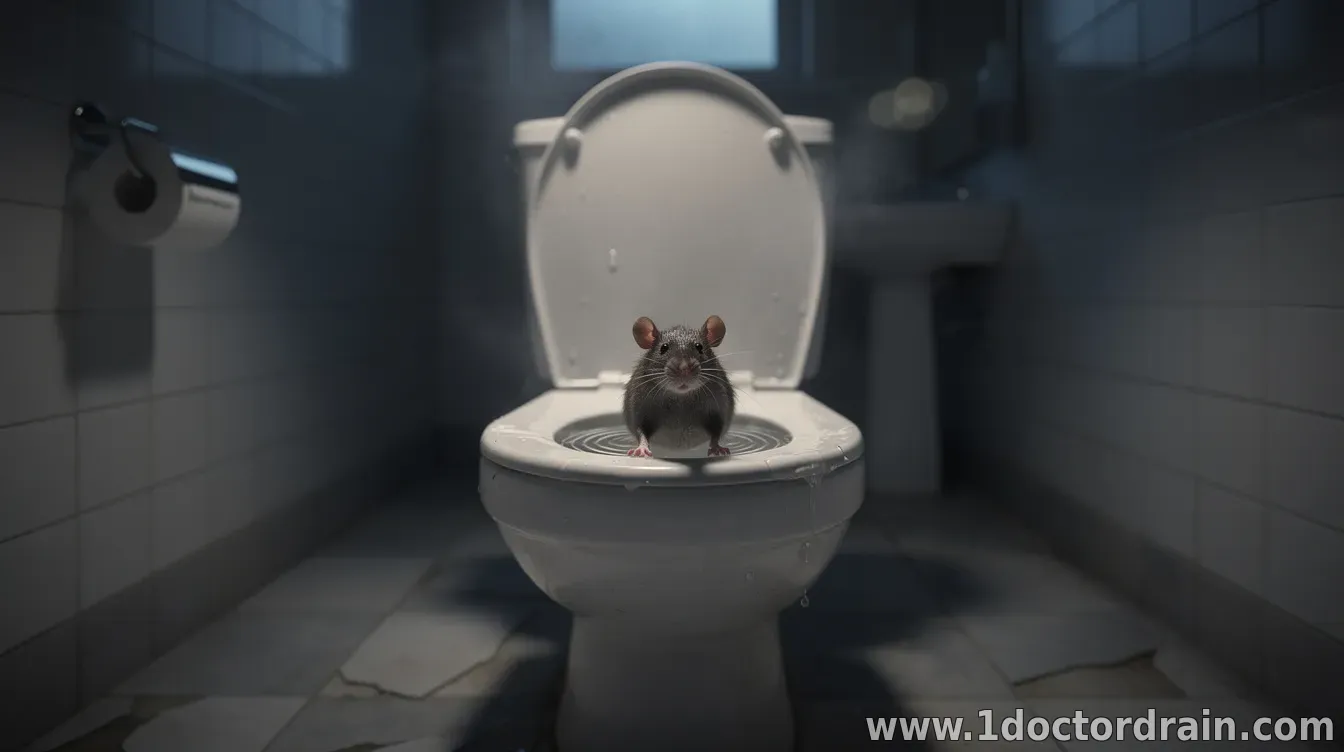
Stories about rats “coming up through the toilet” sound shocking, but they’re not pure fantasy. Rats are skilled climbers and can travel through underground spaces, sewer systems, and plumbing pathways—meaning that, under the right conditions, a rat could end up near a toilet or even enter through plumbing.
The key question is not whether the scenario is dramatic, but whether the home has the specific vulnerabilities that would make it possible. How rats could reach a toilet
Toilets connect your indoor plumbing to the building’s drain line and, ultimately, the sewer or septic system. If a rat can get into the drain pathway (for example, from the sewer line, crawl space, basement, or outdoor access points), it may be able to move within the piping. In some cases, it can position itself near a fixture opening or find a route upward if there are openings, breaks, or poorly sealed connections.
Rats may also exploit places where plumbing meets walls or floors. Even small gaps around the toilet base, loose seals, or cracks in pipes can give rodents a path that doesn’t require them to “teleport” into the bowl. What makes it more likelyA toilet-by-toilet myth is unlikely to occur in a tightly maintained system, but rodent access becomes more plausible when certain conditions exist. Common risk factors include:
In heavy rain or flooding, sewage systems can experience pressure shifts that push or draw animals toward openings. That can increase the chances of rodents being found near plumbing fixtures—even if the “toilet” is the first visible point you notice. Can a rat actually go through the bowl?
Most of the time, if a rat is involved, it’s not necessarily “swimming up” into the toilet like water. More realistically, the rat is moving through the drain network and ends up at or near the fixture. Depending on how the toilet is set up, the bowl can act as an accessible entry point if there’s a path upward and the toilet isn’t sealed properly at the base or flange.
Also, toilets typically have a water seal (the trap) that is designed to block sewer gases. That barrier can make direct movement harder, but it doesn’t eliminate the possibility of a rat finding another opening, climbing around parts of the plumbing, or being released from nearby drain access points. If you suspect a rat near your toilet
Don’t try to handle the animal directly. Instead, focus on securing the area and removing the conditions that allow access. Practical steps include:
If there are signs of sewer issues—such as persistent odors, frequent backups, or water backing up—consider involving a plumber or facility professional as well. A comprehensive fix is often what prevents repeat incidents.
In short: a rat can plausibly end up at a toilet or appear to “come up through it” when the plumbing system and the home’s structure provide a route. If you’ve seen something yourself—or have strong evidence—treat it as a rodent and maintenance problem, not just a scary story.
| |
|
| |
CALL ☎ Subscribe 👆
Next & Previous posts
Related materials:
CONTACT US 📩
Submit the form, we'll contact you as soon as possible!