1:55 AM Is It Safe to Pour Boiling Water Down the Drain? | |
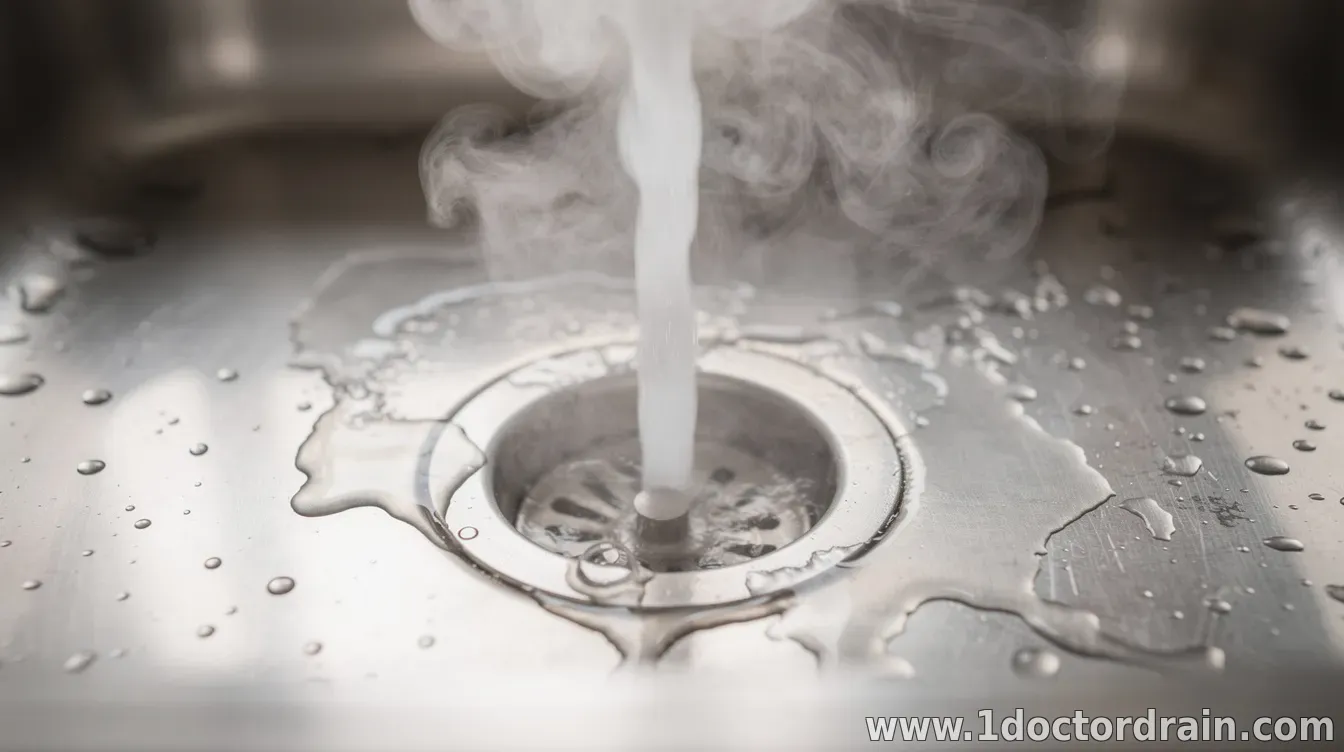
Boiling water is a popular home remedy for clogged drains—especially kitchen sinks where grease can build up. But “boiling” doesn’t automatically mean “safe,” and the right approach depends on your plumbing type, the clog’s cause, and your drainage system.
In many households, the safest option is to use hot (not necessarily boiling) water and follow manufacturer guidance. In some cases, boiling water can worsen problems or cause damage that’s costly to repair. When it can help
Hot water can be effective for clogs caused by organic or temperature-sensitive buildup, such as mild grease residue on the inside of pipes. If the obstruction is near the sink and is more “coating” than a hard blockage, gradually flushing with hot water may restore flow. Why boiling water can be risky
Boiling water may be unsafe for certain plumbing materials and setups. Extremely hot temperatures can stress pipes and connections, especially in older homes or systems with thinner components. It can also damage plastic parts in some drain assemblies, and it may loosen debris in ways that create blockages further down the line.
Safety concerns also extend to fixtures and hazards: boiling water can splatter, and sudden temperature changes may affect traps and seals. If you’re dealing with a clog that has accumulated over time, the water may not drain quickly enough, increasing the risk of overflow. Big red flags: what not to do
Boiling water is not a guaranteed fix, and it’s important not to treat it as one-size-fits-all. Avoid pouring boiling water as a first response if you suspect hazardous materials in the drain or if you’ve previously used chemical drain cleaners.
Mixing heat with certain chemicals can create dangerous fumes or other reactions. If you’ve used a commercial cleaner, wait for the recommended time in the product instructions and consider non-chemical methods instead. Septic systems and older infrastructure
Homes with septic systems should be cautious. While hot water can help break down some household waste in theory, excessive heat or repeated cycles can disrupt how a septic system functions. Older municipal or private drainage lines may also be more sensitive to thermal stress. Safer alternatives
For many routine clogs, start with safer, controlled steps: run hot tap water for several minutes to see if flow improves, avoid forcing boiling water if the drain backs up, and use mechanical clearing tools like a plunger or drain snake when appropriate. If a blockage persists, it may be time to contact a plumber rather than escalating temperature.
For kitchen grease concerns, prevention matters: scrape food off dishes, avoid pouring large volumes of fat or oil down the sink, and consider strainers to catch debris before it enters the pipe. Bottom line
Pouring boiling water down the drain can be helpful in limited situations, but it’s not universally safe. Use caution with temperature, avoid chemical combinations, and consider your pipe materials and drainage system before attempting a “boiling flush.” When in doubt—especially with repeated clogs—mechanical clearing or professional help is usually the safer route.
| |
|
| |
CALL ☎ Subscribe 👆
Next & Previous posts
Related materials:

CONTACT US 📩
Submit the form, we'll contact you as soon as possible!