2:44 AM Power Rodding: What Happens During a Service Call | |
|
When a drain is slow, backing up, or producing unusual gurgling sounds, many property owners turn to power rodding—a specialized technique that uses a rotating rod to break up and pull out debris inside pipes. While every job varies, a professional service call usually follows a predictable sequence designed to protect your plumbing and address the cause of the blockage.
1) Initial inspection and symptom review The technician begins by asking about what’s happening—such as whether multiple fixtures are affected, when the problem started, and whether there’s standing water or foul odors. This helps identify whether the issue is likely in a specific section (e.g., kitchen sink) or deeper in the drainage line.
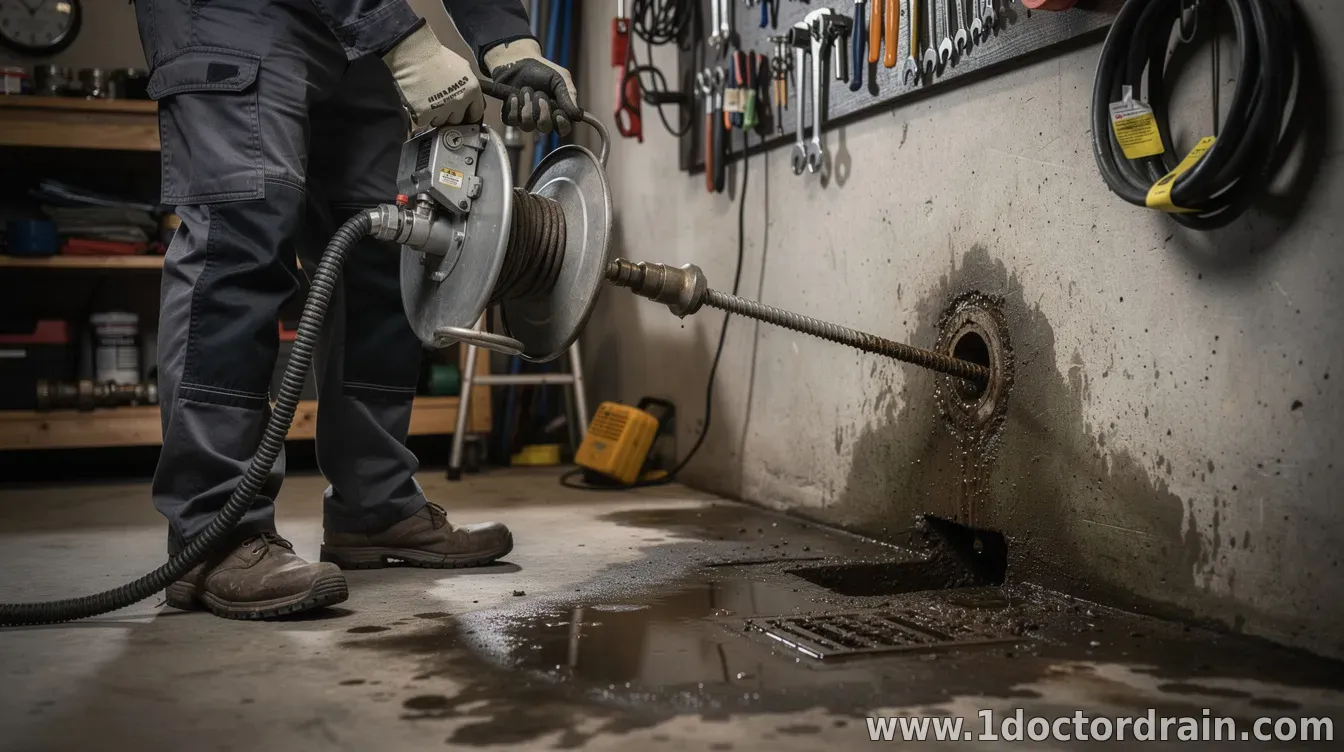
2) Locating the access point Next, the crew determines the most practical entry location. Depending on your plumbing setup, this could involve accessing a cleanout, removing a trap, or using an inspection opening where available. The goal is to connect the rod equipment safely and reduce unnecessary disruption.
3) Protecting the area and setting expectations The work area is secured to minimize mess. Technicians may cover nearby surfaces, prepare to manage debris, and explain what they’re looking for—because blockages can range from grease and hair to mineral buildup or lodged foreign objects.
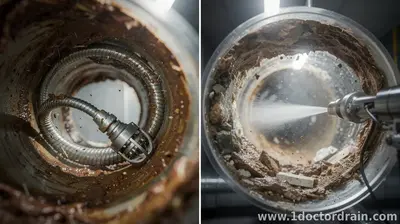
4) Running the rod and probing the line The power rodding machine is then engaged. The rod is carefully fed into the pipe while the technician advances toward the blockage. As the rod moves, the technician may feel for resistance and listen for changes in sound that can indicate where the obstruction begins.
5) Breaking up and removing the blockage Once the technician reaches the obstruction, the rotating motion helps break down deposits and dislodge material. In many cases, the process also pulls debris back toward the access point so it can be cleared rather than simply pushed further downstream.
6) Flushing and testing flow After the blockage appears cleared, the line is typically flushed with water to confirm improved flow. Technicians check whether drainage is moving normally from the affected fixture and may monitor for signs of remaining partial blockage.
7) Optional camera inspection for confirmation On more complex cases—or when symptoms persist—a CCTV drain inspection may be recommended. Video helps verify whether the pipe is clear, assess pipe condition, and identify issues like cracks, collapsed sections, or recurring buildup points.
8) Final report and next steps Before the job is considered complete, the technician confirms the results and explains what was found and cleared. If the blockage was severe or likely to recur, they may suggest preventative measures, such as grease management, hair capture in drains, or scheduling periodic maintenance.
Understanding the service sequence can help you know what to expect—and when it’s worth requesting additional diagnostics like camera verification. If you’re dealing with recurring clogs, persistent backups, or multiple fixtures affected at once, a professional assessment is the fastest way to prevent repeated interruptions.
| |
|
| |
CALL ☎ Subscribe 👆
Next & Previous posts
Related materials:
CONTACT US 📩
Submit the form, we'll contact you as soon as possible!